

 en
en Español
 русский
 中文简体
中文简体
Panoramic Elevators for Scenic, Safe, and Efficient Vertical Mobility
Content
- 1 1. Product Positioning: A Scenic Elevator for Modern Architecture
- 2 2. Elegant Structure with Limitless Scenic Views
- 3 3. Advantages Over Common Competing Elevator Solutions
- 4 4. Advanced Safety Philosophy
- 5 5. Smooth Travel Through VVVF Drive Technology
- 6 6. Intelligent Travel Functions for Efficient Building Flow
- 7 7. Remote Monitoring and the Internet of Things
- 8 8. Manufacturing Strength and Industrial Capability
- 9 9. Customization for Hotels, Supermarkets, and Commercial Buildings
- 10 10. Reliability Through Fault Self-Diagnosis and Maintenance Planning
- 11 11. Door System Protection and Passenger Interaction
- 12 12. Protection Against Over-Speed, Over-Run, and Abnormal Movement
- 13 13. Direct Parking and Leveling Quality
- 14 14. Application Value in Hotels
- 15 15. Application Value in Supermarkets and Shopping Centers
- 16 16. Application Value in Office and Public Buildings
- 17 17. Quality Culture and Customer-Oriented Service
- 18 18. Sustainability, Efficiency, and Long-Term Building Value
- 19 19. Why Manufacturing Process Matters for a Panoramic Elevator
- 20 20. Integrated Product and Service Advantage
- 21 Q&A Section
- 21.1 Q1: What makes a panoramic elevator different from a standard passenger elevator?
- 21.2 Q2: Is a panoramic elevator suitable only for luxury buildings?
- 21.3 Q3: How does the elevator improve passenger safety?
- 21.4 Q4: What is the benefit of VVVF drive technology?
- 21.5 Q5: Can the panoramic elevator design be customized?
- 21.6 Q6: How does remote monitoring help building owners?
- 21.7 Q7: Why is advanced manufacturing important for this product?
- 21.8 Q8: What types of buildings benefit most from group control or duplex control?
- 21.9 Q9: How does the elevator support long-term maintenance?
- 21.10 Q10: What is the main competitive advantage of this panoramic elevator?
- 22 Conclusion
- 23 References
A panoramic elevator is more than a means of transportation between floors. It is an architectural feature, a visual experience, and a statement of building quality. In hotels, shopping centers, office towers, public facilities, commercial complexes, and premium residential spaces, a panoramic elevator can transform routine movement into a memorable journey. By combining transparent car walls, elegant structural design, advanced control technology, and comprehensive safety systems, the panoramic elevator creates wide scenic views while maintaining the core requirements of reliability, comfort, and operational efficiency.
The panoramic elevator discussed in this article belongs to the machine room elevator category and is designed for projects that require both visual appeal and robust performance. Its core value lies in balancing aesthetics with engineering discipline. Passengers enjoy broad views through the transparent structure, while building owners benefit from stable operation, advanced safety protection, intelligent monitoring, and long-term service support. Compared with many standard elevator solutions, this type of panoramic elevator offers a stronger connection between transportation function and architectural identity.
Tenau Elevator (China) Co., Ltd. develops this panoramic elevator with a focus on innovation, fashion, safety, and craftsmanship. The product is designed to satisfy different building styles, especially hotels, supermarkets, commercial buildings, and public spaces where passenger experience is a key part of property value. The company emphasizes advanced production, strict quality control, intelligent manufacturing, and practical customization, enabling the panoramic elevator to serve not only as equipment but also as part of a complete building mobility solution.
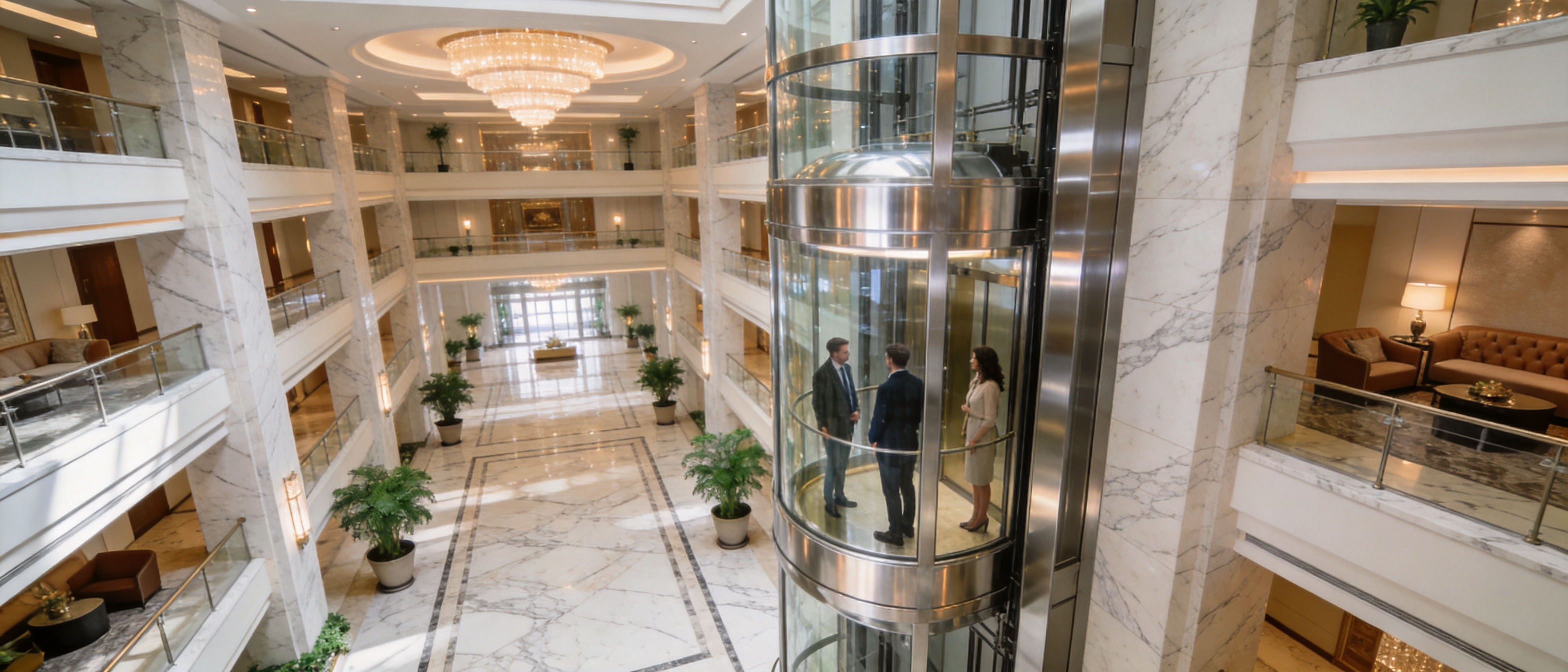
1. Product Positioning: A Scenic Elevator for Modern Architecture
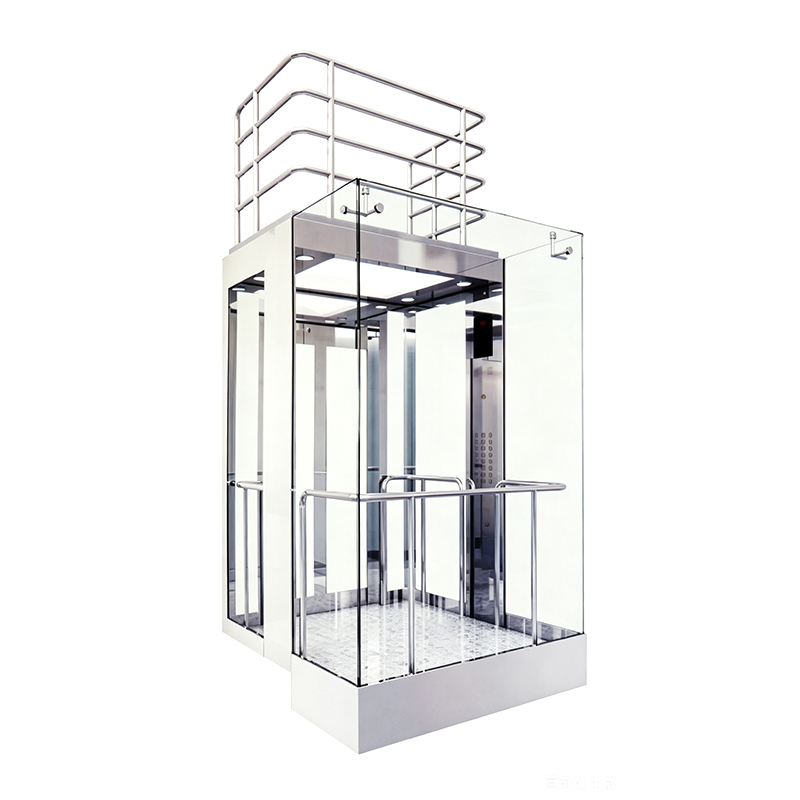
The panoramic elevator is often selected when a building requires vertical transportation that is visible, attractive, and harmonious with its environment. Unlike enclosed passenger elevators, a panoramic elevator introduces openness. Its glass or transparent viewing surfaces allow passengers to observe the interior atrium, cityscape, garden, shopping mall, hotel lobby, or other architectural features while traveling. This scenic function makes the elevator part of the design language of the building.
For commercial developers, visual experience has measurable value. A high-quality panoramic elevator can increase the perceived grade of a property, guide passenger flow, and enhance the atmosphere of a public area. In hotels, it can strengthen the first impression of luxury and hospitality. In supermarkets and malls, it can improve visibility, attract attention, and make movement between floors more pleasant. In office buildings, it can demonstrate modernity and openness. In exhibition venues and transportation hubs, it can improve both practical circulation and visitor experience.
The product is especially suitable for buildings that need a machine room elevator solution with stable performance and flexible appearance design. A machine room configuration provides space for key drive and control equipment, which can support reliable operation, convenient maintenance, and long service life. While machine room less elevators are often chosen for space-saving requirements, machine room panoramic elevators remain highly competitive in projects where performance, maintainability, and equipment layout are important priorities.
2. Elegant Structure with Limitless Scenic Views
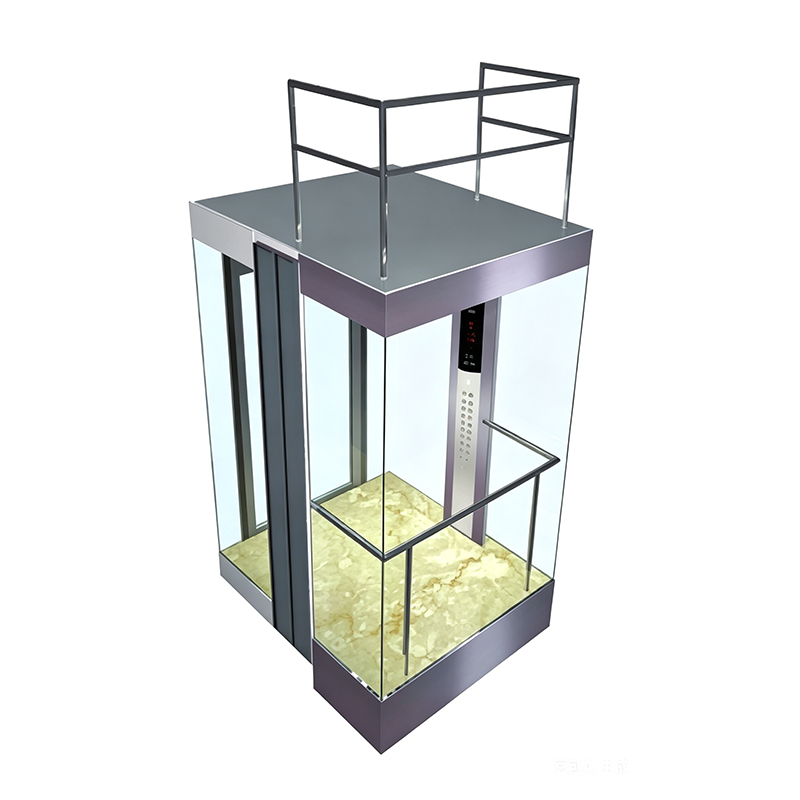
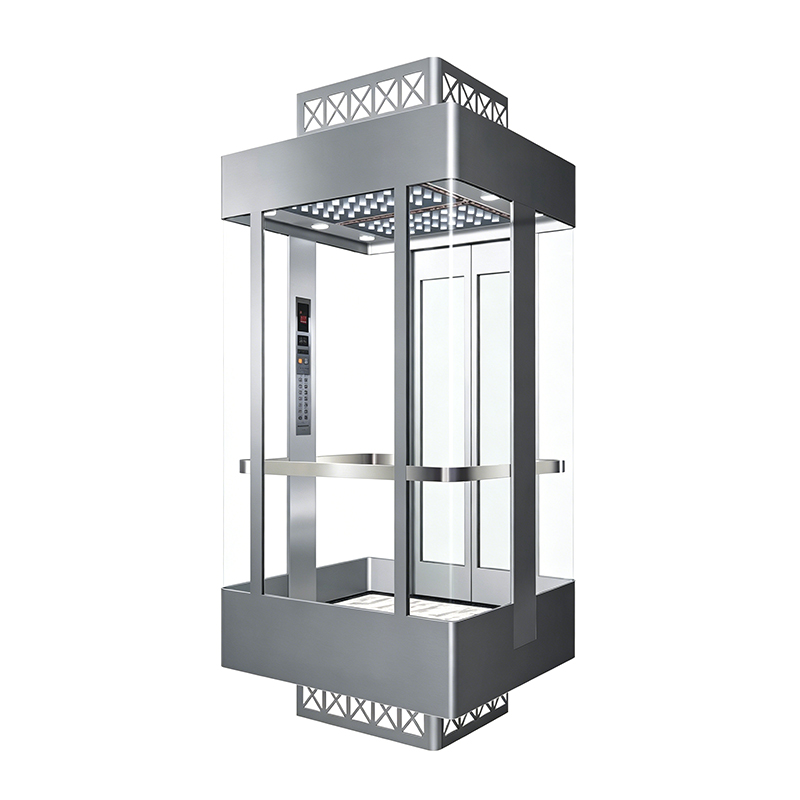
The central advantage of a panoramic elevator is its ability to provide an open visual experience. The car structure can be designed to match the building style, whether the project requires a refined hotel appearance, a bright shopping center look, or a distinctive architectural landmark. The transparent viewing area creates a sense of spaciousness, reducing the closed feeling sometimes associated with standard elevator cars.
Passengers often judge an elevator by comfort, safety, cleanliness, and appearance before they consider technical performance. A panoramic elevator addresses these emotional and practical expectations at the same time. The smooth travel curve, sensitive door movement, accurate leveling, light curtain protection, and clear arrival signals form the functional foundation. The transparent structure and scenic perspective create the memorable experience.
Compared with conventional enclosed elevators, a panoramic elevator can become a visual attraction. In a hotel atrium, it can give guests a moving view of interior decoration and lighting. In a shopping mall, it can improve the sense of orientation by allowing passengers to see shops, floors, and public areas during travel. In a scenic building or cultural venue, it can turn transportation into part of the tour. This ability to add emotional and commercial value is one of its strongest advantages over ordinary elevator products.
3. Advantages Over Common Competing Elevator Solutions
The panoramic elevator has several advantages over conventional passenger elevators and low-grade scenic elevator alternatives. First, it offers a stronger architectural presence. A standard elevator is often hidden in a shaft, while a panoramic elevator can be displayed as a centerpiece. Second, it improves passenger experience through openness and visibility. Third, it can support customized design based on the building’s style. Fourth, it combines scenic appearance with professional safety technologies, rather than sacrificing engineering quality for visual effect.
Some competing products may focus heavily on exterior design but provide limited intelligent monitoring or safety redundancy. The panoramic elevator presented here integrates several safety and control features, including unintended car movement protection, infrared light curtain detection, anti-collision and anti-derail protection for car doors, overload holding stop, inspection operation, fault self-diagnosis, over-speed protection, and final limit protection. These technologies help ensure that visual beauty is supported by dependable safety performance.
Another competitive advantage is ride comfort. The VVVF drive system precisely adjusts motor rotating speed, creating a smoother speed curve during start, travel, and stop. The VVVF door operator also improves the sensitivity and gentleness of door opening and closing. This matters greatly in hotels, commercial centers, hospitals, and office buildings, where frequent use requires stable comfort throughout the day.
Efficiency is also important. Functions such as automatic pass without stop, automatic door opening time adjustment, direct parking, group control, duplex control, on-duty peak service, and off-duty peak service can reduce waiting time and improve traffic handling. In busy buildings, passengers expect quick response, smooth dispatching, and reliable arrival. By combining comfort and dispatch intelligence, the panoramic elevator offers practical advantages beyond its appearance.
| Comparison Area | Panoramic Elevator Strength | Typical Limitation of Basic Alternatives |
|---|---|---|
| Passenger Experience | Open scenic views, elegant structure, reduced enclosed feeling, strong visual impression. | Closed car design may feel ordinary and less attractive. |
| Architectural Value | Can become a visible design feature in hotels, malls, atriums, and public spaces. | Often hidden in shafts and contributes less to building identity. |
| Ride Comfort | VVVF drive and VVVF door operator support smooth travel and gentle door movement. | Lower-grade systems may produce less refined acceleration, braking, or door operation. |
| Safety Protection | Includes UCMP protection, light curtains, overload stop, door anti-derail protection, and over-speed protection. | Some basic elevators may offer fewer intelligent or layered safety functions. |
| Traffic Efficiency | Supports automatic pass, group control, duplex control, direct parking, and peak service functions. | May rely on simpler dispatching, resulting in longer waiting during busy periods. |
| Maintenance Support | Remote monitoring, fault records, and standardized service support improve maintainability. | Maintenance may depend more heavily on manual inspection and delayed fault discovery. |
4. Advanced Safety Philosophy
Safety is the foundation of every elevator, and it is even more important for a panoramic elevator because the equipment is often installed in highly visible and high-traffic environments. Passengers may include hotel guests, shoppers, children, elderly people, office workers, and visitors unfamiliar with the building. A safe panoramic elevator must protect passengers during entry, travel, stopping, door operation, and emergency conditions.
The product includes a UCMP device for prevention of unintended car movement. When an elevator stops at a landing and opens its doors, any unregulated movement of the car without a proper command can create serious risk. The UCMP protection system is designed to detect and arrest unintended car movement, helping to protect passengers as they enter or leave the car. This feature demonstrates a modern safety approach that addresses not only normal operation but also abnormal conditions.
The infrared light curtain system provides additional protection at the elevator entrance. During door opening and closing, infrared beams cover the door area and detect people or objects in the path. If an obstruction is detected, the door protection system reacts quickly to reduce the chance of impact. In busy commercial buildings where passengers may enter quickly or carry luggage, shopping bags, or goods, this protection contributes to daily safety and comfort.
The car door anti-collision and anti-derail protection device is another important safety feature. If the door is hit, the device helps keep the door on its normal track and reduces the risk of derailment. Door reliability is essential because elevator doors are among the most frequently used moving components. A door system that can resist abnormal impact and maintain correct operation improves both passenger safety and maintenance stability.
Overload holding stop protects the elevator from operating when the car load exceeds the allowed limit. When the car is overloaded, the system issues an alarm and keeps the lift stopped at the same floor. This prevents unsafe travel and reminds passengers to reduce the load. The function is especially useful in shopping malls, hotels, and public buildings where groups may enter together.
Additional safety functions include designated stop, repeated door closing, start protection control, anti-stall timer protection, inspection operation, fault self-diagnosis, up and down over-run protection, final limit protection, downward over-speed protection, upward over-speed protection, and elevator cab accidental movement prevention. These layered systems form a comprehensive safety framework that helps the elevator respond properly to a wide range of operational conditions.
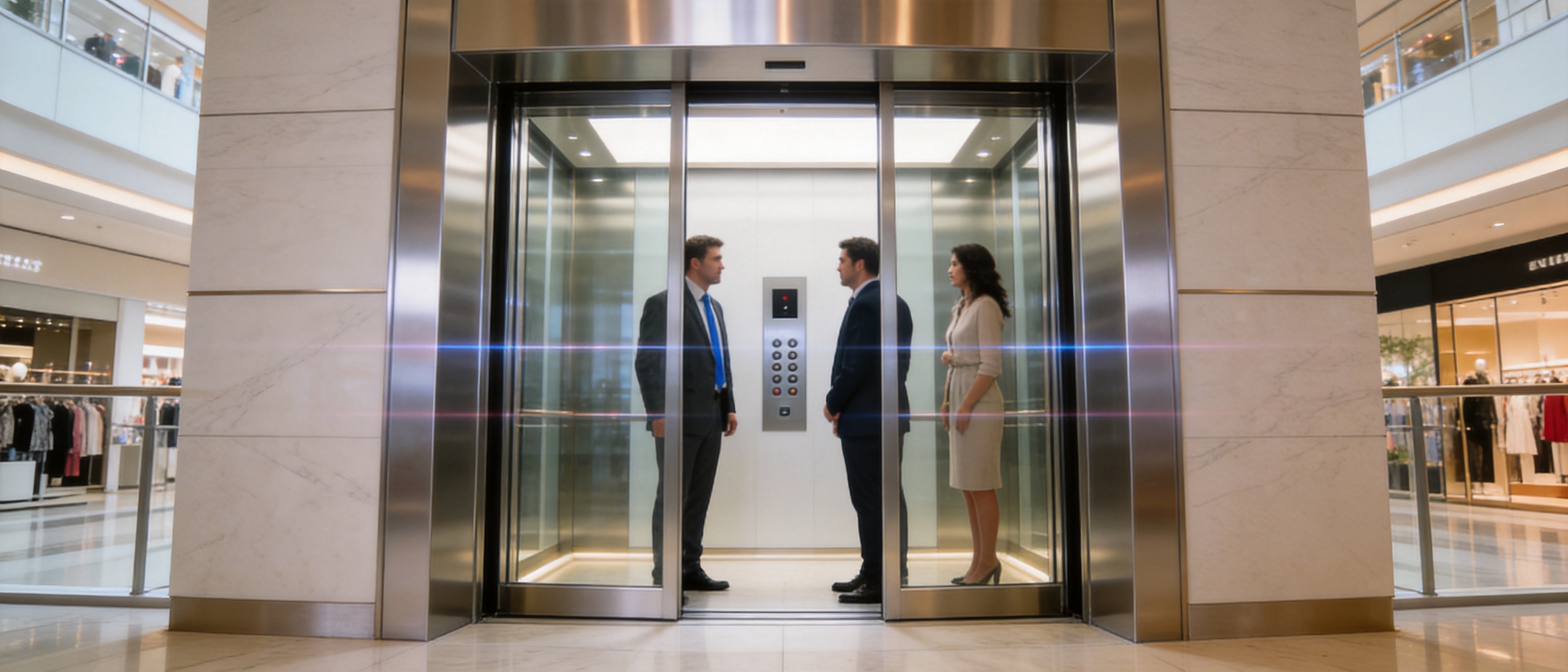
5. Smooth Travel Through VVVF Drive Technology
Passenger comfort depends heavily on acceleration, deceleration, leveling, vibration control, and noise control. The panoramic elevator uses VVVF drive technology to precisely adjust motor speed. This creates a smoother speed curve from start to travel and from travel to stop. A comfortable ride is especially important in a panoramic elevator because passengers are more visually engaged with their surroundings. Any jerky movement or unstable stop would be more noticeable in a scenic car than in a closed elevator.
VVVF control also contributes to energy efficiency and component protection. By controlling motor speed more precisely, the system can reduce mechanical shock, improve stopping accuracy, and support stable long-term operation. Smooth operation decreases stress on traction components and improves the overall passenger impression. In high-end hotels and commercial properties, this comfort level can directly influence how people perceive the quality of the building.
The VVVF door operator provides similar benefits for door movement. It allows the motor rotating speed to be adjusted so that door start and stop are gentle and sensitive. Doors open and close frequently every day, and passengers interact with them directly. A refined door system reduces noise, avoids abrupt movement, and gives passengers confidence. In competitive elevator markets, smooth door behavior is a visible sign of product quality.
6. Intelligent Travel Functions for Efficient Building Flow
Beyond safety and comfort, elevator performance is measured by traffic efficiency. In a hotel during check-in time, a shopping mall during peak hours, or an office building at the beginning of the workday, slow elevator response can create frustration. The panoramic elevator includes multiple travel functions designed to improve efficiency and adapt to different traffic conditions.
Automatic pass without stop allows the elevator to bypass landing calls when the car is crowded or when the load is close to a preset value. This helps maintain travel efficiency by avoiding unnecessary stops when the elevator cannot comfortably accept more passengers. Automatic adjustment of door opening time further improves efficiency by changing the door-open duration according to whether the call comes from the landing or inside the car.
Independent running allows the lift to ignore outer calls and respond only to commands from inside the car through an action switch. This can be valuable for special service conditions, VIP transportation, maintenance needs, or controlled operation in certain building scenarios. Express door closing allows passengers to close the door immediately by pressing the door-shut button after the elevator opens, reducing waiting when no one else is entering.
Command register cancel helps passengers correct mistakes. If a wrong floor button is pressed, two continuous presses of the same button can cancel the registered command. This reduces unnecessary stops and improves passenger convenience. Anti-nuisance protection can cancel registered car calls under certain light-load conditions when too many commands appear, helping avoid wasteful operation caused by accidental or improper button use.
For larger buildings, group control and duplex control are especially valuable. When three or more same-model elevators are used together, group control can select the most appropriate elevator response, avoid repeated stopping, reduce passenger waiting time, and increase overall efficiency. Duplex control allows two elevators to respond to calls through computer dispatching, improving service balance and reducing waiting time.
Peak service functions further improve building flow. During preset on-duty periods, upward transport from the home landing can become extremely busy, so elevators can be continuously dispatched to the home landing. During off-duty periods, elevators can be dispatched toward the top floors to serve downward traffic. These features help the elevator system adapt to real human movement patterns rather than responding in a simple fixed way.
7. Remote Monitoring and the Internet of Things
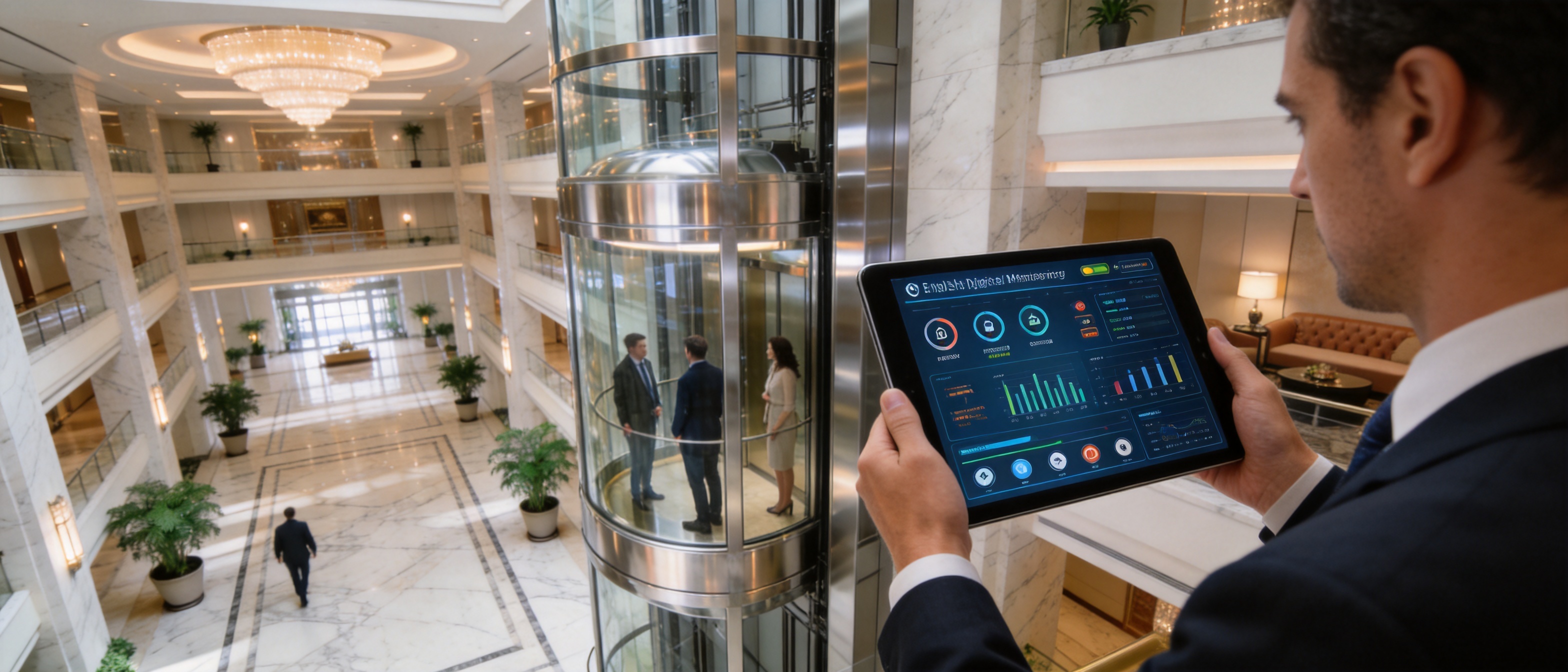
Modern elevator management increasingly depends on data. The panoramic elevator can be supported by remote monitoring through Internet of Things technology. This system enables automatic monitoring, inspection, and management of elevators in a building. Regular data collection and timely troubleshooting improve operational transparency and help maintenance teams respond before small issues become major disruptions.
Remote monitoring benefits building owners, property managers, maintenance teams, and passengers. For building owners, it supports asset management and reduces uncertainty. For property managers, it provides a better understanding of elevator status. For maintenance teams, it helps identify faults more quickly. For passengers, it contributes to safer and more reliable daily use.
Tenau Elevator (China) Co., Ltd. emphasizes intelligent service through remote monitoring systems that keep safety information under control. In a competitive market, this capability is a major advantage because many customers no longer want only mechanical equipment. They expect connected products, traceable operation, and responsive service. An elevator with remote monitoring aligns with the broader trend toward intelligent buildings and digital facility management.
8. Manufacturing Strength and Industrial Capability
The quality of an elevator is not determined only by design drawings. It depends on manufacturing discipline, component processing, assembly accuracy, inspection procedures, and long-term production culture. Tenau Elevator (China) Co., Ltd. is located in Huzhou City, Zhejiang Province, and operates as a professional elevator and escalator manufacturing enterprise. The company serves overseas markets and provides multiple language service capabilities, including English, Russian, Spanish, and Arabic.
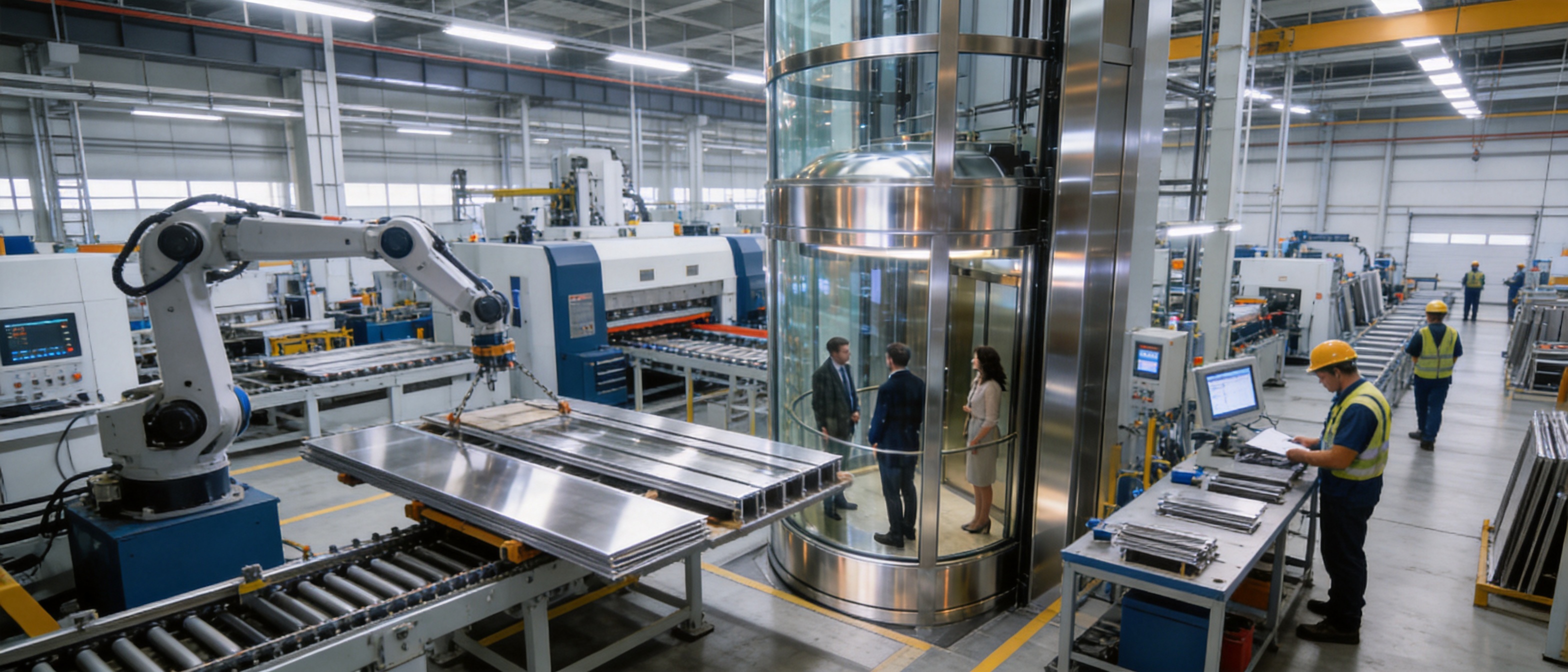
The company has professional elevator and escalator production lines, fully automatic panel production equipment, and an experienced workforce. Its production system is connected with the manufacturing foundation of DIAO Group, creating two production bases that share a production platform. This structure strengthens production capacity and supports a broad product portfolio, including escalators, passenger elevators, cargo elevators, and home lifts.
A major strength of the company is its focus on intelligent production. The industrial production system integrates design aesthetics, efficient operation, and a green working environment. Advanced automatic production equipment, big data, and Internet of Things technologies help realize intelligent processing, intelligent production, intelligent detection, and intelligent monitoring of industrial procedures. These capabilities support consistency, accuracy, and traceability throughout manufacturing.
For a panoramic elevator, manufacturing precision is extremely important. Transparent structures and visible components leave less room for poor workmanship. The car design, door system, panels, guide components, and finishing details must meet both visual and technical standards. Intelligent production equipment helps improve dimensional accuracy, surface quality, and repeatability. This gives the product an advantage over competitors that rely more heavily on manual or less standardized processes.
The company also emphasizes strict quality control and a rigorous detection system throughout the whole production process. Its strategic objective of high standard, high precision, and zero defect reflects an approach in which quality is treated as the life of the enterprise. In practice, this means that product reliability is pursued from material handling and component processing to assembly, inspection, delivery, installation support, and after-sales service.
9. Customization for Hotels, Supermarkets, and Commercial Buildings
Different buildings require different elevator designs. A luxury hotel may prefer a refined and quiet panoramic elevator that blends with marble, metal, lighting, and atrium decoration. A supermarket may need a durable, highly visible elevator that supports frequent passenger movement and shopping traffic. A shopping mall may require a panoramic elevator that becomes part of a central atrium feature. An office building may prioritize efficiency, simple elegance, and reliable peak-hour dispatching.
The panoramic elevator can be designed according to building style, which is one of its main advantages. Rather than offering a single fixed appearance, the product can adapt to the overall architectural concept. This design flexibility helps owners create a consistent visual identity. It also allows architects and consultants to coordinate elevator appearance with interior materials, lighting, space layout, and passenger flow planning.
Customization does not mean compromising standardization. A strong manufacturer must balance custom appearance with proven technical platforms. The advantage of this panoramic elevator is that it can provide different visual designs while maintaining mature drive, control, door, safety, and monitoring systems. This combination gives customers both design freedom and dependable engineering.
10. Reliability Through Fault Self-Diagnosis and Maintenance Planning
Reliability is essential for public-use elevators. Even a beautiful panoramic elevator loses value if it is frequently out of service. The product includes fault self-diagnosis, allowing the controller to record recent faults so technicians can quickly identify issues and restore operation. This function improves service efficiency and reduces downtime.
Regular maintenance is also emphasized. Like other transportation systems, elevators require routine inspection and professional care to maintain safety and performance. Tenau Elevator (China) Co., Ltd. provides service support through its marketing and service network, with maintenance processes based on unified standards. Comprehensive inspection standards help ensure that the elevator remains in stable condition throughout its service life.
The service approach includes customer data files, one-to-one maintenance planning, intelligent monitoring, and full-time support. A dedicated data file allows maintenance teams to understand the specific history and requirements of each elevator. Exclusive maintenance planning helps adapt service to actual usage conditions. Remote monitoring provides operational information. A 24-hour service team supports response when customers need assistance.
This service model is an important competitive advantage. Many elevator buyers compare equipment price first, but long-term value depends on uptime, maintenance quality, spare parts support, and technical responsiveness. A panoramic elevator installed in a hotel lobby or commercial center must remain available and attractive. Strong service support protects the owner’s investment and passenger confidence.
11. Door System Protection and Passenger Interaction
The elevator door is one of the most important points of passenger interaction. People may judge the entire elevator by how the door opens, closes, responds, and protects them. The panoramic elevator uses a VVVF door operator to create gentle and sensitive door movement. The light curtain system detects obstacles. Repeated door closing logic helps the elevator reopen or attempt to close again when obstacles or interference prevent normal closing.
Reopen with hall call allows the door to restart opening during the shutting process when a hall call button is pressed. Door open time extending allows a special button in the car to keep the door open for a certain period. These functions are practical in hotels where guests may have luggage, in supermarkets where passengers may carry goods, and in public buildings where elderly or disabled passengers may need extra time.
Car stops and door open ensures that the door opens only after the elevator decelerates, levels, and comes to a complete stop. This is fundamental to safe operation. Open the door in advance, when configured as an optional function, can improve efficiency by opening the door when the lift decelerates and enters the door open zone, subject to safe operating conditions and applicable standards.
12. Protection Against Over-Speed, Over-Run, and Abnormal Movement
Elevator safety requires protection against rare but serious abnormal conditions. The panoramic elevator includes down over-speed protection and upward over-speed protection. If downward speed exceeds a defined safe limit, the protection device can cut off control power and stop motor operation. If the elevator continues at unsafe speed, safety gear can act to force the lift to stop. Upward over-speed protection can decelerate or brake the lift if upward speed exceeds the allowed threshold.
Up and down over-run and final limit protection help prevent the elevator from traveling beyond the intended terminal positions. These devices protect against uncontrolled movement toward the top or bottom of the shaft. Start protection control stops operation if the lift does not leave the door zone within the designated time after starting. Anti-stall timer protection responds to abnormal traction conditions. Together, these functions create a layered safety architecture.
Accidental movement prevention is also important when the elevator is in an open-door state. If accidental movement occurs, the system is designed to prevent or arrest the movement. This aligns with the broader focus on protecting passengers during boarding and exiting, which are among the most sensitive moments in elevator operation.
13. Direct Parking and Leveling Quality
Accurate stopping is a key indicator of elevator quality. Direct parking follows the distance principle and avoids crawling in leveling, helping improve travel efficiency. Good leveling reduces the risk of passengers tripping when entering or leaving the car. It also improves comfort for people using carts, luggage, wheelchairs, or strollers.
In a panoramic elevator, stopping quality contributes to the premium experience. Passengers expect the car to arrive smoothly, stop accurately, and open the door with confidence. A car arrival gong announces arrival, helping passengers prepare to exit. These small details work together to create a professional and user-friendly system.
14. Application Value in Hotels
Hotels rely heavily on first impressions. The lobby, lighting, reception area, and vertical transportation all influence how guests perceive the property. A panoramic elevator can become a premium visual element in a hotel atrium or lobby. Guests can enjoy scenic interior views while moving to rooms, restaurants, meeting areas, or leisure facilities.
For hotel operators, comfort and silence are essential. VVVF drive and refined door control help provide smooth operation. Door open time extension can assist guests carrying luggage. Independent running can support special service situations. Remote monitoring and full-time service support help reduce the risk of downtime during important business periods.
Compared with basic enclosed elevators, a panoramic elevator can elevate the hotel atmosphere. It becomes part of hospitality design rather than only a transport tool. This makes it especially valuable for hotels that want to distinguish themselves in competitive markets.
15. Application Value in Supermarkets and Shopping Centers
Supermarkets and shopping centers require elevators that handle frequent use, diverse passengers, and variable loads. A panoramic elevator improves visibility and helps passengers understand the building layout. Shoppers can see different floors, stores, promotional areas, and atrium spaces while traveling, which can encourage circulation and commercial engagement.
Safety features such as light curtains, overload holding stop, door anti-derail protection, and automatic door timing are particularly useful in retail environments. Passengers may carry bags, push strollers, or move in groups. The elevator must respond safely to unpredictable movement. Traffic efficiency functions, including automatic pass without stop, group control, and duplex control, also support high passenger volume.
From a commercial design perspective, a panoramic elevator can increase the attractiveness of central spaces. It provides movement, transparency, and visual connection. Compared with ordinary elevators hidden near corridors, a panoramic elevator can become a landmark within the shopping environment.
16. Application Value in Office and Public Buildings
Office buildings require dependable peak-hour performance. On-duty peak service and off-duty peak service help adapt elevator dispatching to morning and evening traffic patterns. Group control and duplex control reduce waiting time in multi-elevator systems. Smooth acceleration and accurate stopping improve daily comfort for employees and visitors.
Public buildings require safety, accessibility, and intuitive movement. A panoramic elevator can help visitors orient themselves because they can see the surrounding space while traveling. This is useful in libraries, museums, hospitals, cultural centers, transportation facilities, and administrative buildings. The open view can reduce anxiety for some passengers and improve the overall experience.
In these settings, the elevator’s combination of scenic design, safety redundancy, and intelligent monitoring offers a strong advantage over simpler products. Public-use equipment must be durable, understandable, and easy to maintain. The panoramic elevator provides these qualities while also enhancing the appearance of the building.
17. Quality Culture and Customer-Oriented Service
The company’s manufacturing philosophy emphasizes honesty, practicality, perseverance, teamwork, and pursuit of excellence. These values matter because elevator projects require coordination among manufacturers, developers, architects, consultants, installers, maintenance teams, and property owners. A customer-oriented company must respond patiently, provide professional suggestions, offer reasonable pricing, and complete orders with speed and quality.
Tenau Elevator (China) Co., Ltd. serves customers in nearly 60 countries and emphasizes communication across languages and technical requirements. This international experience is valuable for overseas buyers who need a supplier capable of understanding local project expectations, documentation needs, service concerns, and product adaptation.
For panoramic elevator projects, communication is especially important because appearance, dimensions, shaft conditions, traffic needs, and safety standards must be coordinated carefully. A manufacturer with both technical knowledge and responsive service can help customers select appropriate specifications, avoid design conflicts, and improve project outcomes.
18. Sustainability, Efficiency, and Long-Term Building Value
Modern building owners increasingly evaluate equipment based on life-cycle value. This includes not only purchase cost but also energy performance, maintenance cost, reliability, passenger satisfaction, and contribution to property image. A panoramic elevator offers long-term value because it combines practical transportation with visual enhancement.
VVVF control can support more efficient motor operation compared with less advanced drive methods. Intelligent dispatching can reduce unnecessary stops and improve traffic flow. Remote monitoring can improve maintenance efficiency and reduce downtime. Durable door protection and fault diagnosis can reduce service interruptions. These features help lower the hidden costs associated with poor elevator performance.
The elevator also supports the building’s brand value. In commercial real estate, visual quality affects leasing, customer experience, and public perception. An elegant panoramic elevator can help a building appear more modern, premium, and passenger-friendly. This is a competitive advantage that ordinary elevator installations may not provide.
19. Why Manufacturing Process Matters for a Panoramic Elevator
A panoramic elevator exposes more of its design and construction to public view. Therefore, manufacturing defects are easier to notice. Panel alignment, glass fitting, car finishing, door movement, lighting integration, and structural details all influence the final impression. Advanced manufacturing processes help ensure that the finished product looks refined and performs consistently.
Intelligent processing improves the accuracy of components. Intelligent production supports stable assembly. Intelligent detection helps identify deviations before products leave the factory. Intelligent monitoring of industrial procedures improves traceability. These processes help reduce variation, which is critical for elevator systems that must operate safely over many years.
Strict quality inspection is another essential factor. Each stage of production must be checked against technical standards. Components must meet requirements for strength, fit, finish, and operation. Control systems must be verified. Safety devices must be tested. By building quality into the production process rather than relying only on final inspection, the manufacturer improves reliability and customer confidence.
20. Integrated Product and Service Advantage
The panoramic elevator’s strongest value is the integration of design, technology, manufacturing, and service. Its elegant structure provides scenic views. Its VVVF control improves comfort. Its safety systems protect passengers. Its intelligent functions improve efficiency. Its remote monitoring supports modern maintenance. Its manufacturing process supports consistent quality. Its service network supports long-term use.
Competitors may offer one or two of these strengths, but the most successful elevator solution combines them. A visually attractive elevator without safety depth is not sufficient. A technically safe elevator without design appeal may not meet the needs of premium buildings. A well-built elevator without service support may create long-term risk. This panoramic elevator is positioned to address all of these requirements together.
Q&A Section
Q1: What makes a panoramic elevator different from a standard passenger elevator?
A panoramic elevator includes transparent viewing areas that allow passengers to enjoy scenic views during travel. It serves both transportation and architectural purposes. Compared with a standard enclosed elevator, it can improve building appearance, passenger experience, and visual connection within the space.
Q2: Is a panoramic elevator suitable only for luxury buildings?
No. While it is popular in luxury hotels and premium commercial spaces, it is also suitable for supermarkets, shopping centers, office buildings, public facilities, cultural venues, and transportation hubs. Any building that values visibility, passenger comfort, and design impact can benefit from a panoramic elevator.
Q3: How does the elevator improve passenger safety?
It uses multiple safety systems, including unintended car movement protection, infrared light curtain protection, overload holding stop, door anti-derail protection, over-speed protection, final limit protection, inspection operation, repeated door closing, and fault self-diagnosis. These systems protect passengers during entry, travel, stopping, and abnormal conditions.
Q4: What is the benefit of VVVF drive technology?
VVVF drive technology precisely controls motor speed, creating smoother acceleration, stable travel, and gentle stopping. It improves ride comfort, reduces mechanical shock, and supports efficient operation. The VVVF door operator also makes door movement smoother and more sensitive.
Q5: Can the panoramic elevator design be customized?
Yes. The elevator can be designed according to different building styles. This makes it suitable for hotels, supermarkets, shopping malls, office buildings, and public spaces with different architectural requirements. Custom appearance can be combined with mature technical systems.
Q6: How does remote monitoring help building owners?
Remote monitoring through Internet of Things technology allows elevator operation data to be collected and analyzed. It supports automatic monitoring, inspection, management, and timely troubleshooting. This helps reduce downtime, improve maintenance planning, and enhance safety management.
Q7: Why is advanced manufacturing important for this product?
Because a panoramic elevator is highly visible, both appearance and mechanical precision matter. Advanced automatic production equipment, intelligent processing, intelligent detection, and strict quality control help ensure stable quality, accurate assembly, refined finishing, and reliable long-term performance.
Q8: What types of buildings benefit most from group control or duplex control?
Buildings with multiple elevators and high passenger traffic benefit most, such as hotels, office towers, shopping malls, and public facilities. Group control and duplex control reduce repeated stops, improve dispatching, shorten waiting time, and increase traffic efficiency.
Q9: How does the elevator support long-term maintenance?
The elevator supports fault self-diagnosis, remote monitoring, standardized maintenance processes, customer data files, exclusive maintenance plans, and full-time service response. These features help maintenance teams identify problems quickly and keep the elevator operating safely.
Q10: What is the main competitive advantage of this panoramic elevator?
Its main advantage is the combination of elegant scenic design, strong safety protection, smooth VVVF performance, intelligent travel functions, advanced manufacturing, and long-term service support. It is not only visually attractive but also engineered for reliable daily operation.
Conclusion
A panoramic elevator should deliver more than a view. It should provide safe transportation, comfortable travel, efficient dispatching, intelligent monitoring, refined appearance, and dependable long-term operation. The machine room panoramic elevator described here achieves this balance through advanced safety functions, VVVF drive and door control, flexible customization, remote monitoring, and manufacturing precision.
For hotels, supermarkets, shopping centers, offices, and public buildings, the product offers a clear advantage over ordinary elevator solutions. It improves the visual identity of the building while supporting practical mobility needs. It helps passengers feel comfortable and secure. It helps property owners improve service quality and building value. It helps architects create spaces where movement becomes part of the experience.
Supported by the manufacturing capability and service philosophy of Tenau Elevator (China) Co., Ltd., the panoramic elevator represents a complete solution for modern vertical transportation. Its value lies not only in scenic views but also in the disciplined engineering, intelligent production, strict quality control, and customer-oriented service behind every journey.
References
1. Elevator Safety Code and Technical Guidance for Passenger Elevator Systems.
2. Vertical Transportation Planning Principles for Commercial and Public Buildings.
3. Variable Voltage Variable Frequency Drive Applications in Elevator Control Systems.
4. Internet of Things Applications in Elevator Monitoring and Predictive Maintenance.
5. Quality Management Practices for Modern Elevator Manufacturing.
6. Architectural Design Considerations for Panoramic and Scenic Elevator Installations.

Related Products
Related News
Built on safety, forging trust in vertical mobility.
lf you have any questions or need help, feel free to contact with our team.
 export@tenau.com.cn
 +86-18601458867
 +86-512-65059883
Elevator & Escalator
Factory Add
East of Xicheng Road, North of Lianyi Road, Nanxun Economic Development Zone, Nanxun District, Huzhou City, Zhejiang Province, P.R.China
Copyright © Tenau Elevator (China) Co., Ltd. All Rightd Reserved.
Custom High Quality Elevator Suppliers and World Brand Elevator Company