

 en
 Español
 русский
 中文简体

TO-C8002X Elevator Operation Panel: Intelligent Control, Durable Design, and Manufacturing Excellence
Content
- 1 1. The Role of an Elevator Operation Panel in Modern Vertical Transportation
- 2 2. Product Positioning of the TO-C8002X
- 3 3. Advantages Over Conventional and Less Integrated Alternatives
- 4 4. Manufacturing Excellence Behind the Product
- 5 5. Materials, Assembly, and Durability Considerations
- 6 6. Application in Different Elevator Categories
- 7 7. Human-Centered Design and Accessibility
- 8 8. Installation and Maintenance Benefits
- 9 9. Customization and Project Coordination
- 10 10. Why Manufacturer Capability Matters
- 11 11. Procurement Checklist for the TO-C8002X
- 12 12. Sustainability and Long-Term Value
- 13 13. Recommended Use in Complete Elevator Solutions
- 14 14. Frequently Asked Questions
- 14.1 Q1. What is the TO-C8002X?
- 14.2 Q2. What types of elevators can use this operation panel?
- 14.3 Q3. Is the TO-C8002X suitable for high-traffic buildings?
- 14.4 Q4. Can the panel be used in hospitals?
- 14.5 Q5. Can the operation panel be customized?
- 14.6 Q6. What manufacturing advantages support the product?
- 14.7 Q7. Does the manufacturer provide complete elevator solutions?
- 14.8 Q8. What quality management standards are associated with the manufacturer?
- 14.9 Q9. What should be checked before ordering the panel?
- 14.10 Q10. How should the panel be maintained?
- 14.11 Q11. Can the panel be used in a home elevator?
- 14.12 Q12. Why is it useful to purchase an operation panel from a complete elevator manufacturer?
- 15 15. Conclusion
- 16 References
- 17 Product: TO-C8002X
The elevator operation panel is one of the most visible and frequently used components in a vertical transportation system. It provides the interface through which passengers select floors, access essential functions, receive travel information, and interact with the elevator environment. Although compact in size, an operation panel has a direct influence on usability, accessibility, interior appearance, maintenance efficiency, and the perceived quality of the complete elevator.
The TO-C8002X is an elevator operation panel designed for modern elevator applications where reliable passenger interaction, refined cabin integration, and long-term service performance are important. It belongs to a product category that can support passenger elevators, panoramic and observation elevators, hospital elevators, home villa elevators, cargo elevators, car elevators, and other specialized vertical transportation systems. Its design orientation makes it suitable for projects that require a coordinated balance between practical operation and contemporary cabin aesthetics.
As an elevator component, the TO-C8002X is more than a collection of buttons mounted on a metal plate. It represents the connection between the elevator control system and the user. Every detail, including button recognition, layout logic, surface quality, durability, cleaning convenience, and installation compatibility, contributes to the overall passenger experience. For architects, elevator contractors, developers, and facility owners, selecting a well-engineered operation panel can improve both the appearance and operational value of an elevator project.
Manufactured by Tenau Elevator (China) Co., Ltd., the TO-C8002X benefits from the capabilities of a comprehensive elevator manufacturer that integrates design, research and development, manufacturing, marketing, installation, and after-sales service. The company combines international technologies, intelligent manufacturing principles, automated production, data-driven management, Internet of Things applications, and closed-loop quality control. These capabilities support a consistent approach to product reliability and help the operation panel meet the requirements of demanding elevator environments.
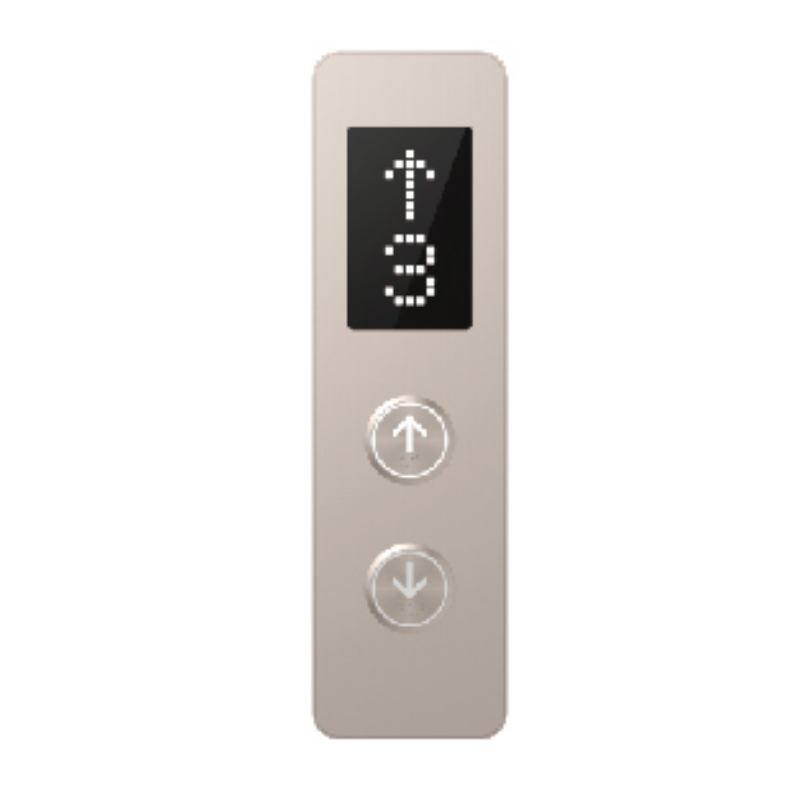
TO-C8002X
1. The Role of an Elevator Operation Panel in Modern Vertical Transportation
An elevator operation panel is one of the primary human-machine interfaces in an elevator cabin. It allows passengers to select destinations and access control functions while also communicating important information about the elevator’s status. In a conventional passenger elevator, the panel may include floor buttons, door-open and door-close buttons, an alarm button, an emergency communication button, indicator lights, and other control elements. In specialized elevators, the configuration may be adapted to suit hospital workflows, cargo handling, vehicle loading, or residential use.
The operation panel must perform reliably under frequent use. In a busy commercial building, a single button may be pressed thousands of times over its service life. In a hospital, the panel may be touched by staff, patients, visitors, and service personnel throughout the day. In a freight or car elevator, the panel may be exposed to heavier use, dust, impact risk, or contact with equipment. These different conditions require a product with durable construction, dependable internal components, and an exterior that remains easy to clean and visually acceptable over time.
Passenger expectations have also changed. Users increasingly expect elevator controls to be clearly arranged, easy to recognize, responsive, and visually coordinated with the cabin interior. A poorly designed panel can make an elevator feel outdated even when the drive system and controller are technically advanced. Conversely, a well-integrated operation panel can enhance the impression of quality and make the cabin more comfortable and intuitive to use.
The TO-C8002X addresses this interface requirement through a product concept centered on practical operation and coordinated cabin integration. It can be specified as part of a broader elevator solution, allowing the operation panel to be considered together with the elevator car, control system, door system, signaling equipment, and interior finishes. This integrated approach is valuable because elevator components perform best when their mechanical, electrical, and aesthetic requirements are considered at the design stage rather than treated as separate afterthoughts.
2. Product Positioning of the TO-C8002X
The TO-C8002X is categorized as an elevator operation panel. Its primary purpose is to provide a clear and dependable control interface inside an elevator cabin. The product is suited to projects where an operation panel must combine repeated-use durability with a modern appearance. It can be considered for new elevator installations, modernization projects, customized cabin interiors, and applications in which a standardized control interface is required across several elevator models.
A major advantage of the TO-C8002X is its potential to function as part of a complete elevator ecosystem rather than as an isolated accessory. Tenau Elevator develops and manufactures a broad range of equipment, including passenger elevators, freight elevators, escalators, moving walks, and other elevator-related products. This broader manufacturing background gives the operation panel a practical context within complete system engineering.
For a project owner, the benefit of selecting a panel from a comprehensive elevator manufacturer is that product coordination can be simplified. The panel can be evaluated according to the control architecture, cabin dimensions, door arrangement, floor service requirements, and safety functions of the complete elevator. This reduces the risk of compatibility issues that may occur when a component is sourced independently without sufficient consideration of the full system.
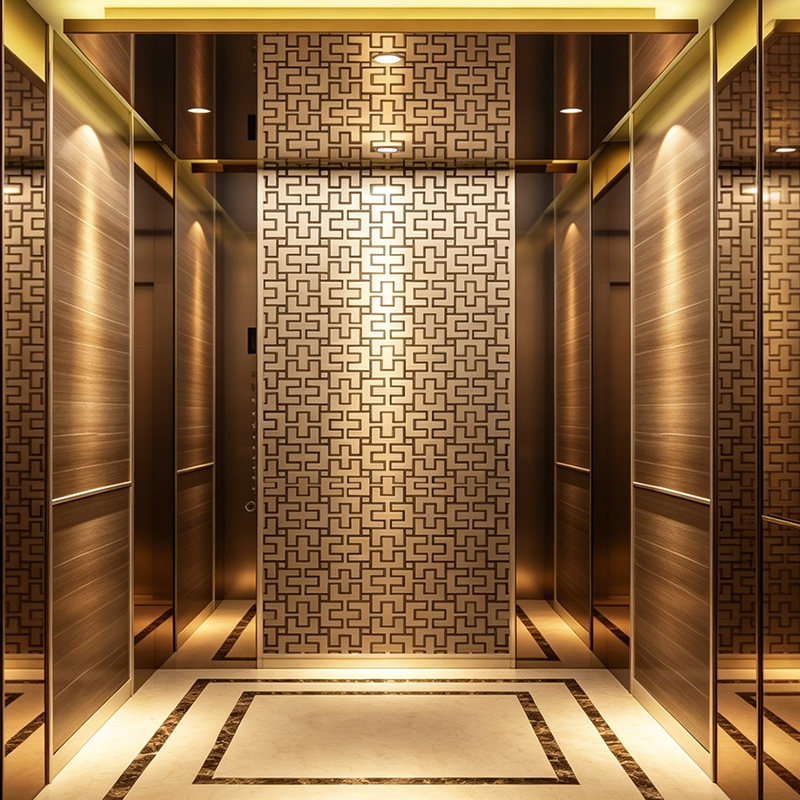
The TO-C8002X can also support projects that place emphasis on visual consistency. Elevator operation panels occupy a prominent position in the cabin and are often located at eye level or within direct reach. Their surface, proportions, button arrangement, and finish influence how the entire elevator interior is perceived. A coordinated panel can complement stainless steel, decorative metal, glass, stone-effect, wood-effect, or other interior treatments, subject to project-specific configuration and engineering confirmation.
Key Product Attributes
The principal attributes of the TO-C8002X can be summarized as follows:
| Attribute | Product Significance | Project Benefit |
|---|---|---|
| Elevator operation interface | Provides passenger access to essential cabin controls | Supports clear and efficient elevator use |
| Modern cabin integration | Can be coordinated with the elevator interior design | Improves visual consistency and perceived quality |
| Frequent-use suitability | Designed for repeated interaction in elevator environments | Supports dependable daily operation |
| Application flexibility | Can be considered for several elevator categories | Useful for residential, commercial, institutional, and industrial projects |
| Manufacturer system support | Developed within a comprehensive elevator manufacturing organization | Facilitates technical coordination and service planning |
| Quality-oriented production | Benefits from controlled manufacturing and inspection processes | Helps promote stable product consistency |
3. Advantages Over Conventional and Less Integrated Alternatives
When comparing elevator operation panels, buyers often focus on initial appearance or purchase price. However, the total value of a panel depends on several factors, including service life, reliability, installation compatibility, cleaning requirements, spare-part availability, and the ability to maintain a consistent appearance across different elevator units. The TO-C8002X is positioned to provide advantages in these areas through its relationship with a complete elevator manufacturing and service organization.
3.1 Better Coordination with Complete Elevator Systems
An independent panel supplier may provide a visually attractive product, but system integration can become complicated when the panel must work with a particular controller, communication circuit, button configuration, emergency system, or cabin layout. Because the TO-C8002X is produced within a company that designs and manufactures complete elevator solutions, its application can be evaluated in relation to the broader elevator system.
This integrated approach helps project teams address technical matters earlier. The number and type of buttons, indicator requirements, mounting method, cable routing, service access, and connection arrangements can be reviewed during project planning. Early coordination reduces installation uncertainty and helps prevent modifications at the construction site.
3.2 A More Professional Passenger Interface
The elevator operation panel is used by people with different ages, heights, abilities, and levels of familiarity with the building. A professional panel should therefore support intuitive operation. Clear organization, logical positioning, legible markings, and responsive controls can reduce confusion and improve the passenger experience.
For hospitals and public buildings, the interface is particularly important. Users may be carrying equipment, assisting a patient, or moving quickly between departments. For home villa elevators, the panel contributes to the residential character of the cabin and must be easy for family members and guests to understand. For commercial elevators, a consistent interface across multiple floors and buildings can reinforce the quality of the facility.
3.3 Improved Interior Design Coordination
Elevator cabins are increasingly treated as architectural spaces rather than purely functional transport enclosures. Designers pay attention to lighting, ceiling details, handrails, flooring, wall finishes, mirrors, and control panels. A poorly matched operation panel can interrupt the visual rhythm of the cabin, while a well-coordinated panel can become a refined focal element.
The TO-C8002X can be incorporated into a design strategy that balances function and appearance. Depending on the project configuration, the panel may be coordinated with selected surface materials, button styles, indicators, and cabin finishes. This is particularly valuable in hotels, high-end residential buildings, office towers, shopping centers, and panoramic elevator installations where the passenger’s visual impression is a significant part of the building experience.
3.4 Suitable for Different Operating Environments
Elevators serve very different environments. A passenger elevator in an office building may experience intensive daily traffic. A hospital elevator may require frequent cleaning and high availability. A cargo elevator may be exposed to more demanding loading conditions. A car elevator must support a controlled vehicle access process. A residential elevator may have lower traffic but higher expectations for quietness, appearance, and personalized design.
A versatile operation panel must therefore be selected according to the application, not simply by appearance. The TO-C8002X can be considered across different elevator categories, with final configuration determined by the elevator type, local regulations, operating conditions, electrical requirements, and project design. This application flexibility helps reduce the need to develop an entirely different interface for every building type.
3.5 Support from a Manufacturer with Broad Technical Capabilities
Tenau Elevator operates as a comprehensive elevator manufacturer with capabilities covering design, research and development, production, installation, and after-sales service. This breadth can provide an advantage over suppliers that focus only on individual components. A complete manufacturer is better positioned to understand how an operation panel interacts with elevator controls, door systems, signaling devices, safety systems, and cabin structures.
In addition, a broad product portfolio supports standardization. Developers and contractors managing several projects may benefit from using coordinated products from one manufacturer. Standardization can simplify training, maintenance procedures, documentation, procurement, and spare-parts management.
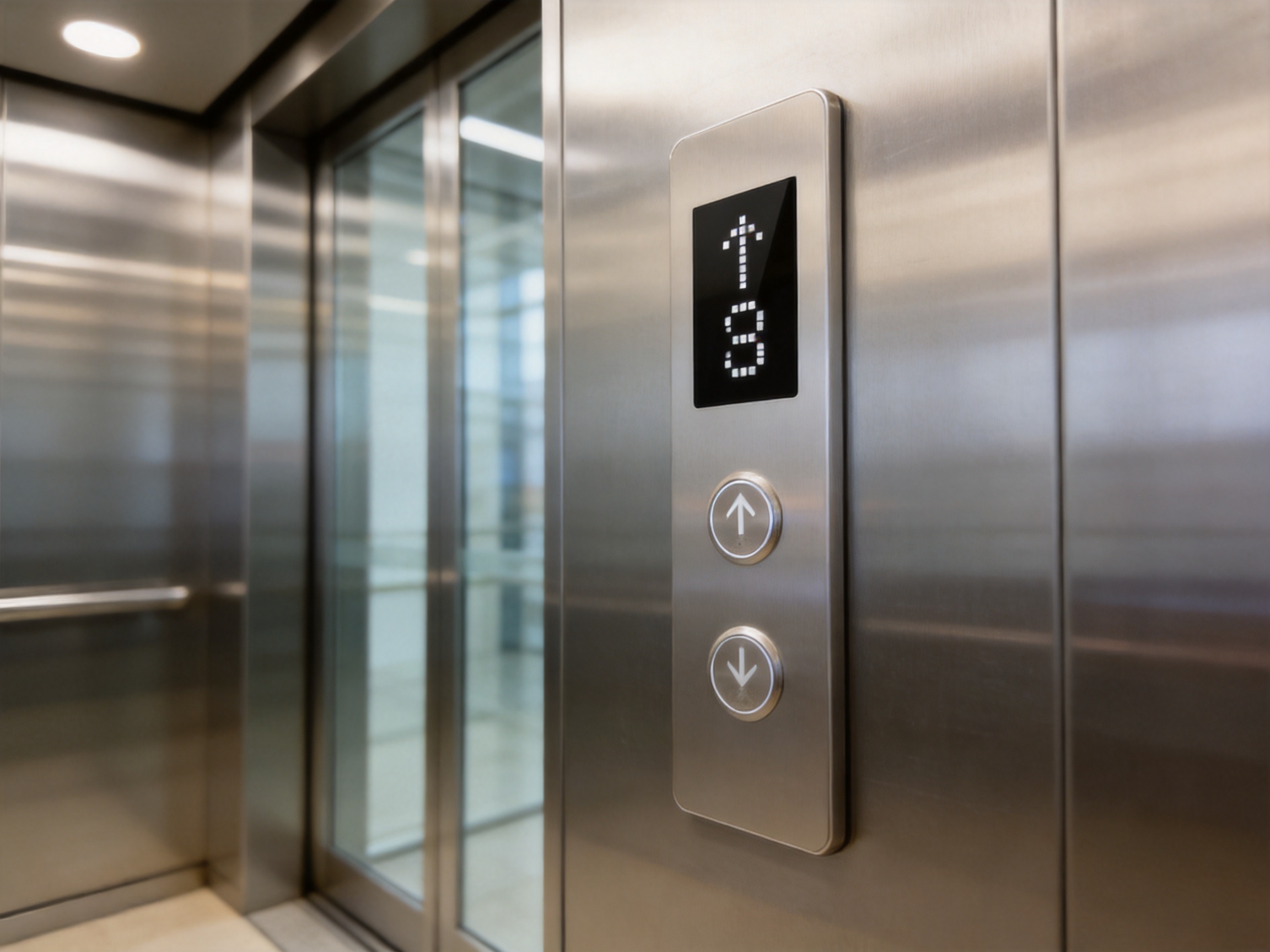
4. Manufacturing Excellence Behind the Product
The quality of an elevator operation panel is strongly influenced by the manufacturing system behind it. A panel may appear simple, but it involves materials, electrical components, mechanical structures, surface treatment, assembly, testing, and packaging. Inconsistent processes at any stage can affect the panel’s appearance, button response, wiring reliability, or service life.
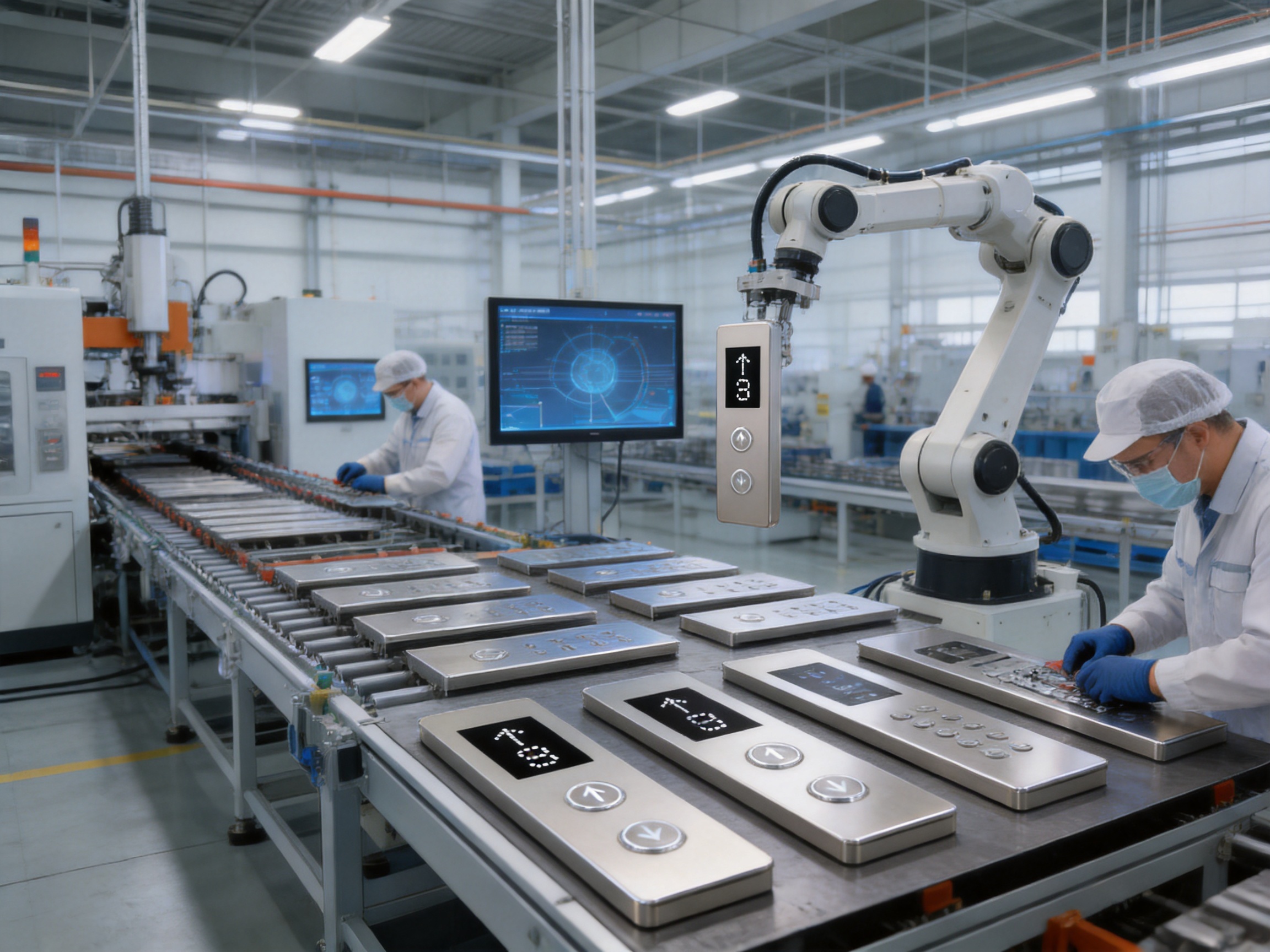
Tenau Elevator applies an industrial manufacturing approach that combines international technologies, rigorous management systems, automated production lines, data applications, and closed-loop quality control. These methods are intended to create repeatable production conditions and reduce variation between individual units. For elevator projects, consistency is important because several panels may be installed within the same building or across a group of buildings.
4.1 Industry 4.0 Intelligent Manufacturing
Industry 4.0 manufacturing connects production equipment, process information, quality data, and management systems. In an elevator manufacturing environment, this approach can improve visibility across the production process. It supports more systematic control of material flow, work instructions, assembly operations, inspection records, and production performance.
For the TO-C8002X, intelligent manufacturing principles can help ensure that the panel is assembled according to controlled procedures. Standardized production instructions can reduce dependence on individual operator habits. Digital records can assist with traceability and provide useful information for quality analysis. When a product is manufactured repeatedly for different projects, this data-based approach supports stable output and continuous improvement.
4.2 Automated Production Lines
Automation can improve precision and repeatability in processes that involve cutting, forming, drilling, surface preparation, component placement, or inspection. It can also improve workplace efficiency and reduce errors associated with repetitive manual tasks. Automation does not replace engineering judgment; instead, it helps create a controlled environment in which established specifications can be followed more consistently.
In the production of elevator operation panels, repeatability is valuable for visible elements such as panel dimensions, openings, button positions, indicator alignment, and surface quality. It is equally important for less visible elements such as cable routing, terminal connections, fastener placement, and internal component positioning. A well-controlled production line helps ensure that the product is not only attractive but also practical to install and service.
4.3 Closed-Loop Quality Control
Closed-loop quality control means that inspection results are not simply recorded and forgotten. Instead, quality information is used to identify causes, correct processes, verify improvements, and prevent recurrence. This creates a continuous relationship between manufacturing, inspection, engineering, and management.
For an operation panel, closed-loop control may involve checks of dimensions, material condition, surface appearance, electrical continuity, button operation, indicator function, fastening, labeling, and packaging. The specific tests applied depend on the product configuration and applicable standards. By using a systematic inspection approach, the manufacturer can identify deviations before the product reaches installation.
This process-oriented quality philosophy is an important advantage over low-cost products manufactured with limited inspection. Initial purchase price alone does not determine value. A panel that requires rework, replacement, or repeated service visits can create greater costs for the contractor and building owner. Stable quality helps reduce these risks.
4.4 Quality Management and Environmental Systems
Tenau Elevator reports compliance with ISO9001, ISO14001, and OHSMS18001 management standards. These standards address quality management, environmental management, and occupational health and safety management respectively. Together, they indicate a structured approach to organizational control and manufacturing responsibility.
ISO9001-oriented processes support document control, customer requirements management, corrective action, process monitoring, and continual improvement. For a product such as the TO-C8002X, these principles help connect customer specifications with design, procurement, production, inspection, and delivery.
ISO14001-oriented environmental management encourages organizations to evaluate environmental aspects, resource use, waste handling, and improvement opportunities. Responsible manufacturing is increasingly important for construction projects seeking to meet environmental objectives or building certification requirements.
OHSMS18001-oriented safety management reflects the importance of protecting employees and controlling workplace risks. A safe and organized factory is also more likely to maintain disciplined production practices, which can indirectly support product consistency.
5. Materials, Assembly, and Durability Considerations
Although the exact configuration of the TO-C8002X should be confirmed according to the project specification, several general principles are important when evaluating an elevator operation panel. The external surface should be appropriate for frequent contact and routine cleaning. The internal assembly should protect electrical connections and support reliable maintenance. The fastening structure should keep the panel stable under normal use and vibration. Buttons and indicators should be selected according to the intended control functions and applicable requirements.
Material selection influences more than appearance. It affects resistance to wear, corrosion, fingerprints, cleaning agents, minor impact, and temperature variation. In a coastal or humid environment, corrosion resistance may be especially important. In a hospital, the ability to maintain a clean surface may receive priority. In a high-traffic commercial elevator, scratch resistance and consistent appearance may be key considerations.
Assembly quality is equally important. Electrical connections must be secure and correctly identified. Components should be positioned to permit inspection or replacement when service is required. Cable management should reduce the risk of pinching, abrasion, or accidental disconnection. The panel should be assembled in a way that supports efficient installation without compromising the strength or finish of the cabin interior.
Durability also includes the ability to retain functional clarity over time. Button markings and indicators should remain legible. Illuminated elements should be easy to recognize. The arrangement should remain understandable even when the cabin is crowded or lighting conditions change. These details influence whether the panel continues to perform effectively after years of daily service.
6. Application in Different Elevator Categories
6.1 Passenger Elevators
Passenger elevators are used in offices, hotels, apartments, shopping centers, schools, public buildings, and transportation facilities. They require a panel that can withstand repeated use while maintaining a professional appearance. The TO-C8002X can be considered for passenger elevator designs in which straightforward operation, visual coordination, and dependable control access are required.
In a passenger elevator, the panel should be positioned for comfortable access by a broad range of users. The control arrangement should be logical, and the finish should complement the cabin design. For buildings with several elevators, consistent panel appearance can make the system easier to understand and contribute to a unified architectural identity.
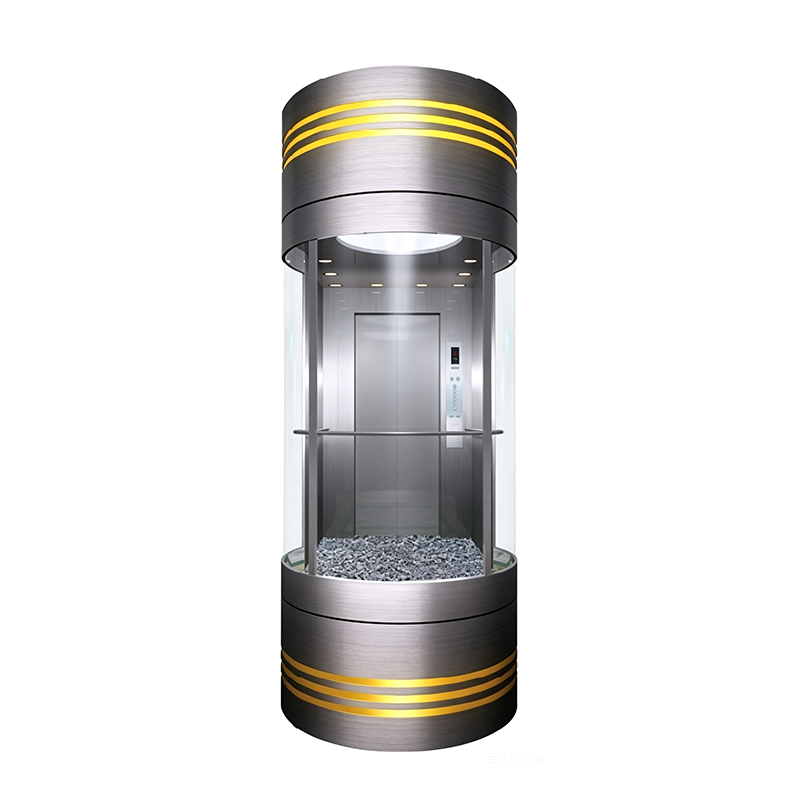
6.2 Panoramic and Observation Elevators
Panoramic and observation elevators often place special emphasis on visibility, light, and architectural presentation. The operation panel must support passenger control without distracting from the cabin’s visual character. A carefully integrated panel can preserve the clean appearance of glass, metal, and decorative surfaces while providing all necessary functions.
Because observation elevators are often used in hotels, landmarks, commercial complexes, and tourism destinations, the passenger interface can influence the perceived sophistication of the entire installation. Panel selection should therefore consider not only technical suitability but also the relationship between the controls and the surrounding interior.
6.3 Hospital Elevators
Hospital elevators require careful attention to hygiene, accessibility, reliability, and traffic flow. They may be used by medical staff, patients, visitors, wheelchair users, and transport teams. The operation panel should be easy to reach and understand, while its surfaces should support regular cleaning and maintenance.
In this application, the panel may be integrated into a larger control arrangement designed for beds, stretchers, equipment, and staff movement. The selected configuration should be reviewed against hospital requirements, local accessibility provisions, emergency functions, and infection-control procedures. The TO-C8002X can be evaluated as part of a complete hospital elevator solution rather than as a standalone decorative component.
6.4 Home Villa Elevators
Home villa elevators typically serve smaller buildings and private residences. They often require a higher degree of customization because the elevator interior must fit the architectural style of the home. The operation panel may need to coordinate with residential materials, lighting, wall treatments, and user preferences.
For a residential project, ease of use and appearance are both important. Family members may include children, older adults, or guests who are unfamiliar with the elevator. A clear control layout helps provide confidence, while a refined panel design can complement the interior design of the residence.
6.5 Cargo Elevators
Cargo elevators transport goods, equipment, and materials. Their operation panels may be exposed to higher traffic, more intensive handling, and increased risk of accidental contact with cargo. Product selection should therefore consider durability, protection, maintainability, and the specific operating procedures of the facility.
The TO-C8002X can be considered when the cargo elevator design calls for a reliable user interface integrated into a broader industrial elevator system. The final panel configuration should be selected according to loading conditions, environmental exposure, control requirements, and relevant safety provisions.
6.6 Car Elevators
Car elevators require clear and dependable controls because drivers and attendants must operate the system while managing vehicle positioning. The panel should be easy to identify and use, particularly in facilities where traffic must move efficiently between parking levels.
In car elevator applications, the operation panel may form part of a coordinated access and signaling system. Its location, height, protection, and control logic should be planned with vehicle dimensions, pedestrian safety, lighting, and traffic management in mind.
6.7 High-Speed Elevators
High-speed elevators require carefully coordinated systems that may include advanced controllers, specialized traction equipment, enhanced monitoring, and carefully designed cabin interiors. The operation panel is one element within this technical environment. It must be compatible with the elevator’s control and communication architecture while remaining clear and comfortable for passengers.
Tenau Elevator’s capabilities in low-speed, medium-speed, high-speed, and ultra-high-speed elevator design provide a broader technical background for evaluating control interfaces across different performance levels. The final application of the TO-C8002X should be determined through project engineering and system compatibility review.
7. Human-Centered Design and Accessibility
A modern elevator operation panel should be designed around the people who use it. Human-centered design considers reach range, visibility, button recognition, physical feedback, lighting, language requirements, and the needs of passengers with disabilities. These considerations are not limited to public buildings; they also improve convenience in residential, commercial, and industrial environments.
Button spacing should reduce accidental selections while allowing efficient operation. Text, symbols, and tactile features should be clear enough for users with different visual abilities. Indicators should provide useful feedback without creating unnecessary glare. Emergency functions should be distinguishable from routine floor-selection controls and positioned in accordance with applicable regulations.
Accessibility requirements vary according to location and project type. Therefore, the TO-C8002X should be configured and installed according to local building codes, elevator standards, accessibility rules, and client specifications. A manufacturer with design and engineering capabilities can help project teams review these requirements during the planning process.
Accessibility also involves the height and location of the panel. A panel positioned too high or too low can create difficulty for wheelchair users, children, or passengers carrying objects. The final installation should consider the complete cabin layout, handrail position, door opening, turning space, and emergency communication equipment.
8. Installation and Maintenance Benefits
A product’s value is influenced by how efficiently it can be installed and maintained. Elevator installation often takes place within a strict construction schedule, and unnecessary modifications can create delays. A well-coordinated operation panel should be supplied with clear technical information, appropriate connection details, and installation guidance relevant to the elevator model.
Because the TO-C8002X is developed within a complete elevator manufacturing organization, it can be coordinated with the cabin structure and control system during the engineering phase. This supports more accurate preparation of mounting openings, cable routes, electrical interfaces, and service access requirements.
Maintenance personnel also benefit from logical component organization and consistent product application. When the same or related panel designs are used across multiple elevators, technicians can become familiar with the component arrangement and troubleshooting process. Standardization may reduce the time required for inspection and repair.
Routine maintenance should include visual inspection, button function checks, indicator checks, fastening inspection, cleanliness assessment, and verification of electrical connections where appropriate. The recommended maintenance interval depends on usage, building type, local regulations, and the complete elevator maintenance plan. A qualified elevator service organization should perform maintenance and repairs.
Cleaning procedures should be selected according to the panel’s materials and finish. Harsh chemicals, abrasive tools, excessive moisture, or improper cleaning methods can damage surfaces and markings. Facility managers should establish suitable cleaning instructions and ensure that cleaning staff understand how to protect the control panel.
9. Customization and Project Coordination
Elevator projects often require customization. The number of floors, control functions, accessibility provisions, emergency features, building language, cabin materials, and architectural preferences can all influence the final operation panel. The TO-C8002X can be evaluated within this project-specific process, with the final configuration determined by technical and aesthetic requirements.
Customization may involve the panel dimensions, button arrangement, labeling, finish, indicator style, control functions, mounting method, and relationship with other cabin equipment. Customization should not be limited to appearance. Electrical compatibility, safety functions, environmental conditions, and maintenance access must also be confirmed.
Project coordination is especially important when the panel is included in a high-end interior. Architects and interior designers may specify particular materials or visual details, while elevator engineers must ensure that the product remains safe, durable, and serviceable. Early collaboration between design, engineering, manufacturing, and installation teams helps balance these objectives.
For large developments, the operation panel can be incorporated into a design standard for the entire property or development group. This approach can create a consistent user experience across towers, parking areas, residential blocks, and public facilities. It can also simplify procurement and reduce variation in maintenance requirements.
10. Why Manufacturer Capability Matters
Choosing an operation panel supplier involves more than reviewing a product image. The manufacturer’s engineering depth, production scale, quality system, service capacity, and experience with international markets can strongly influence project results. Tenau Elevator’s company profile indicates a comprehensive manufacturing base, a professional technical team, extensive intellectual property, and experience exporting products to multiple countries and regions.
International project experience can be valuable because elevator installations are influenced by different codes, environmental conditions, building practices, and customer expectations. A manufacturer serving global markets must be capable of managing technical documentation, communication, production planning, packaging, logistics, installation support, and after-sales coordination.
Tenau’s location in Nanxun, Zhejiang Province, places its manufacturing operations within the economically active Shanghai-Nanjing-Suzhou-Hangzhou region. This location supports access to industrial resources, engineering talent, transportation networks, and supply-chain services. A large manufacturing base can also support the production of multiple elevator categories and related components under coordinated management.
The company’s stated mission emphasizes safety and environmental protection. These principles are directly relevant to elevator operation panels. Safety affects button design, emergency functions, electrical reliability, installation, and system compatibility. Environmental responsibility affects material management, energy use, waste control, production processes, and the long-term service life of the product.
11. Procurement Checklist for the TO-C8002X
Before specifying the TO-C8002X, project teams should review the following points with the manufacturer or authorized technical representative:
| Review Area | Questions to Confirm |
|---|---|
| Elevator application | Is the panel intended for a passenger, hospital, residential, cargo, car, panoramic, or high-speed elevator? |
| Control functions | Which floor buttons, door controls, alarm functions, communication functions, indicators, and special controls are required? |
| Electrical compatibility | Does the panel match the elevator controller, voltage requirements, wiring arrangement, and communication architecture? |
| Cabin integration | Will the panel dimensions, mounting method, and cable routing match the cabin structure and interior design? |
| Accessibility | Does the proposed layout meet applicable accessibility and building requirements? |
| Environmental conditions | Will the product be exposed to humidity, dust, intensive cleaning, impact, coastal air, or temperature variation? |
| Finish and appearance | Does the surface treatment coordinate with the cabin materials, lighting, and architectural concept? |
| Maintenance | Are service access, spare parts, cleaning procedures, and inspection requirements clearly defined? |
| Compliance | Does the complete elevator system meet the standards and regulations applicable to the installation location? |
| Delivery and support | Are documentation, packaging, installation guidance, commissioning, and after-sales services available? |
Answering these questions before production can reduce misunderstandings and help ensure that the supplied panel matches the complete elevator design. It also allows the manufacturer to identify any special requirements that may affect production time, testing, or installation.
12. Sustainability and Long-Term Value
Sustainability in elevator equipment includes energy consumption, material selection, manufacturing practices, product durability, maintenance, and eventual replacement. An operation panel that remains functional and visually acceptable for a long period can reduce the need for premature replacement and avoid unnecessary waste.
Long-term value also depends on serviceability. If a component can be inspected, repaired, or replaced efficiently, the complete elevator can remain in operation for longer with less disruption. This is especially important in hospitals, hotels, office buildings, transportation facilities, and residential developments where elevator downtime affects many users.
Tenau’s environmental management approach and emphasis on intelligent manufacturing provide a foundation for considering sustainability throughout the product lifecycle. Manufacturing data can help identify process improvements, while organized quality control can support a longer service life. Product durability, however, also depends on correct installation, proper use, suitable cleaning, and regular professional maintenance.
13. Recommended Use in Complete Elevator Solutions
The TO-C8002X should be considered as part of a complete elevator solution. The best results are achieved when the operation panel is selected together with the elevator type, speed, load, door arrangement, cabin dimensions, controller, traction system, safety equipment, signaling devices, and interior design.
For a new building, the panel should be reviewed during the early design stage. Architects can coordinate the visual requirements, while elevator engineers confirm technical compatibility. Contractors can plan wall openings, conduits, and installation access. Facility operators can provide information about cleaning, traffic, accessibility, and maintenance needs.
For modernization projects, the existing control system and cabin structure must be carefully assessed. The panel may need to fit an existing opening or work with a replacement controller. In some cases, modernization may require additional modifications to wiring, mounting, indicators, or emergency communication equipment. A complete technical survey can determine whether the TO-C8002X is suitable for the proposed upgrade.
For multi-building developments, using a coordinated panel family can help create a consistent identity. The product may be used alongside different elevator types while maintaining a recognizable user interface. This can be valuable for property groups, hospitals, universities, residential communities, and commercial campuses.
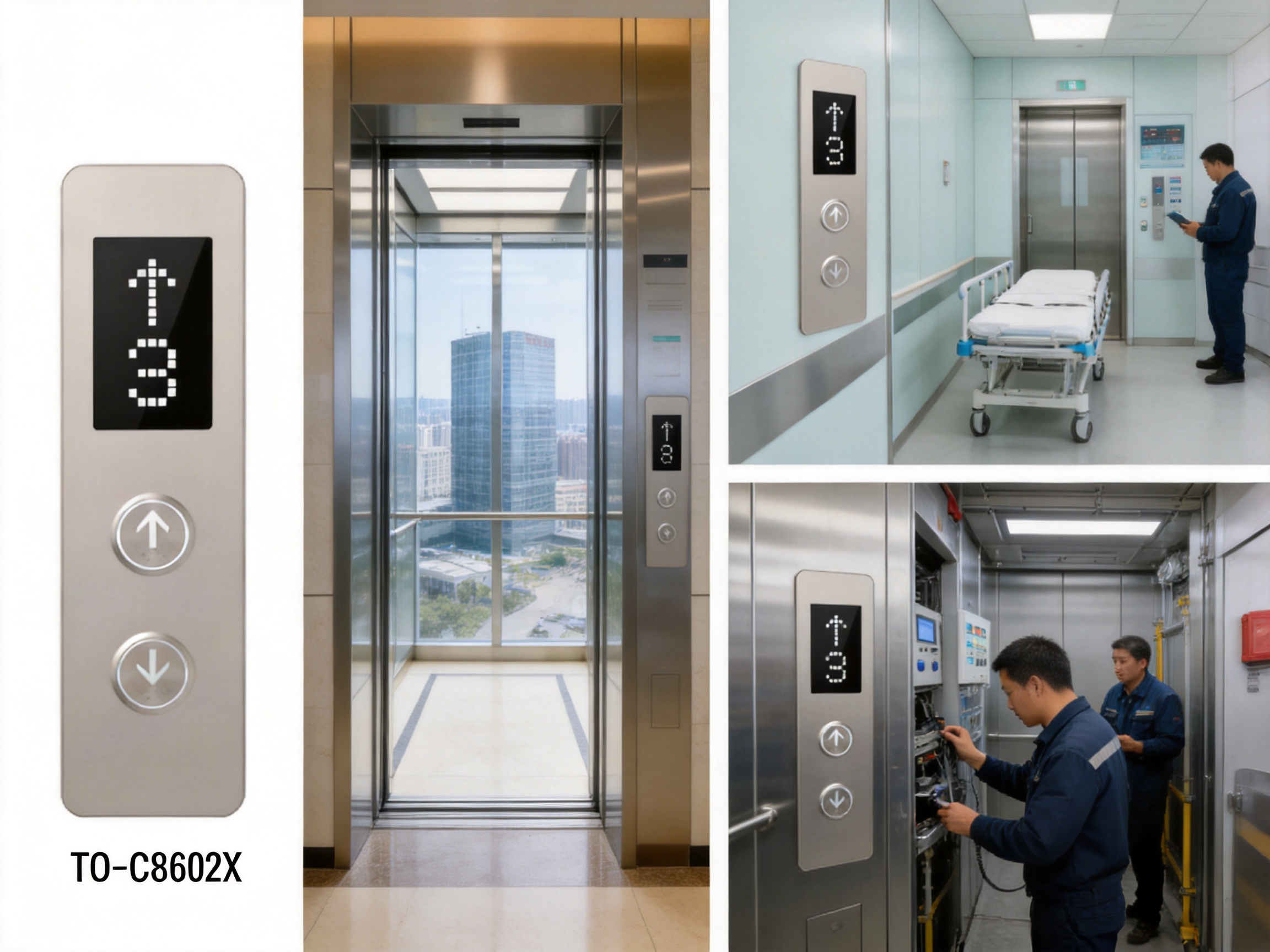
14. Frequently Asked Questions
Q1. What is the TO-C8002X?
The TO-C8002X is an elevator operation panel designed to provide passenger control functions inside an elevator cabin. It can be considered for various elevator applications, subject to project-specific technical confirmation and configuration.
Q2. What types of elevators can use this operation panel?
The panel can be evaluated for passenger elevators, panoramic and observation elevators, hospital elevators, home villa elevators, cargo elevators, car elevators, and high-speed elevator projects. The final selection depends on the controller, cabin layout, operating environment, local regulations, and required functions.
Q3. Is the TO-C8002X suitable for high-traffic buildings?
It is designed for elevator environments in which passengers interact with the control interface repeatedly. For high-traffic buildings, the project team should confirm the required materials, button specification, surface treatment, environmental protection, maintenance plan, and complete system compatibility.
Q4. Can the panel be used in hospitals?
The TO-C8002X can be considered for hospital elevator projects. Hospital applications require special attention to cleaning, accessibility, reliability, emergency functions, and bed or stretcher movement. The final configuration should be reviewed against the hospital’s operational requirements and applicable standards.
Q5. Can the operation panel be customized?
Elevator operation panels may require customization according to floor count, control functions, labeling, finish, cabin dimensions, accessibility needs, and building design. The available customization options and technical limitations should be confirmed with the manufacturer before production.
Q6. What manufacturing advantages support the product?
The product benefits from a manufacturing organization that applies intelligent Industry 4.0 principles, automated production lines, data and Internet of Things technologies, international technologies, and closed-loop quality control. These methods are intended to improve process consistency, traceability, and product reliability.
Q7. Does the manufacturer provide complete elevator solutions?
Yes. Tenau Elevator operates as a comprehensive elevator manufacturer with capabilities in design, research and development, manufacturing, marketing, installation, and after-sales service. Its product scope includes passenger elevators, freight elevators, escalators, moving walks, and related elevator solutions.
Q8. What quality management standards are associated with the manufacturer?
The company reports compliance with ISO9001, ISO14001, and OHSMS18001 management standards. These standards relate to quality management, environmental management, and occupational health and safety management.
Q9. What should be checked before ordering the panel?
Before ordering, the buyer should confirm the elevator type, controller compatibility, button and indicator requirements, panel dimensions, mounting arrangement, cabin materials, environmental conditions, accessibility provisions, applicable standards, delivery requirements, and after-sales support.
Q10. How should the panel be maintained?
Maintenance should follow the elevator manufacturer’s instructions and local regulations. It may include visual inspection, button and indicator checks, fastening inspection, electrical connection checks, surface cleaning, and verification of emergency functions. Maintenance and repair should be performed by qualified elevator personnel.
Q11. Can the panel be used in a home elevator?
It can be evaluated for home villa elevator applications where a dependable and visually coordinated control interface is required. Residential projects should consider user accessibility, interior design, family use, safety requirements, and the available cabin space.
Q12. Why is it useful to purchase an operation panel from a complete elevator manufacturer?
A complete elevator manufacturer can evaluate the panel in relation to the controller, cabin, door system, signaling equipment, safety devices, installation process, and maintenance plan. This integrated approach may simplify coordination, reduce compatibility risks, and support more consistent after-sales service.
15. Conclusion
The TO-C8002X is an elevator operation panel intended to combine practical passenger control with coordinated cabin integration. Its value lies not only in its visible appearance but also in the manufacturing, engineering, quality control, and system support behind the product. For elevator projects, a dependable operation panel contributes to usability, accessibility, interior quality, maintenance efficiency, and the overall perception of the installation.
The product can be considered across a broad range of applications, including passenger elevators, panoramic and observation elevators, hospital elevators, home villa elevators, cargo elevators, car elevators, and high-speed elevator systems. Each application requires a tailored review of the operating environment, control functions, cabin design, electrical compatibility, accessibility requirements, and relevant regulations.
Tenau Elevator’s strengths in comprehensive elevator manufacturing, intelligent Industry 4.0 production, automated manufacturing, data and Internet of Things technologies, closed-loop quality control, and international management standards provide a solid foundation for the product. Its capabilities in design, research and development, manufacturing, installation, and after-sales service also support a more integrated project experience than would typically be available from a supplier focused only on individual components.
For developers, contractors, architects, and facility owners, the best procurement decision should consider the complete lifecycle of the elevator operation panel. Initial appearance and cost are important, but long-term reliability, compatibility, serviceability, manufacturing consistency, and user experience are equally significant. When properly configured and maintained, the TO-C8002X can serve as a durable and professional interface within a modern elevator solution.
References
1. International Organization for Standardization. Quality Management Systems: Principles and Process-Based Quality Management Practices.
2. International Organization for Standardization. Environmental Management Systems: Requirements and Guidance for Use.
3. Occupational Health and Safety Management Systems. Principles for Workplace Risk Control and Continual Improvement.
4. International Elevator and Escalator Safety Standards. General Principles for Passenger Transportation Equipment and Control Interfaces.
5. Accessibility Design Guidance for Buildings and Passenger Transportation Facilities.
6. Industry 4.0 Manufacturing Principles: Automation, Data Integration, Traceability, and Smart Production.
7. Elevator Engineering Practice: Cabin Design, Control Systems, Installation, Commissioning, and Maintenance.
8. Building Services Design References: Vertical Transportation Planning for Residential, Commercial, Institutional, and Industrial Buildings.
Product: TO-C8002X

Related Products
Related News
Built on safety, forging trust in vertical mobility.
lf you have any questions or need help, feel free to contact with our team.
 export@tenau.com.cn
 +86-18601458867
 +86-512-65059883
Elevator & Escalator
Factory Add
East of Xicheng Road, North of Lianyi Road, Nanxun Economic Development Zone, Nanxun District, Huzhou City, Zhejiang Province, P.R.China
Copyright © Tenau Elevator (China) Co., Ltd. All Rightd Reserved.
Custom High Quality Elevator Suppliers and World Brand Elevator Company