

 en
en Español
 русский
 中文简体
中文简体
Advanced Freight Elevators: Redefining Cargo Transportation Efficiency and Safety
Content
- 1 Core Advantages of the Next-Generation Freight Elevator
- 2 Manufacturing Excellence: The Backbone of Quality
- 3 Competitive Edge: How This Elevator Stands Out
- 4 Elevator Function Overview
- 5 Frequently Asked Questions (FAQ)
- 5.1 Q1: Is this freight elevator suitable for both cargo and personnel?
- 5.2 Q2: Can the elevator be customized to fit specific warehouse layouts?
- 5.3 Q3: What maintenance support is available for global clients?
- 5.4 Q4: How does the elevator ensure energy efficiency?
- 5.5 Q5: What safety certifications does the elevator have?
- 5.6 Q6: What is the warranty period for the elevator?
- 5.7 Q7: Can the elevator handle heavy loads?
- 6 References
- 7 Conclusion
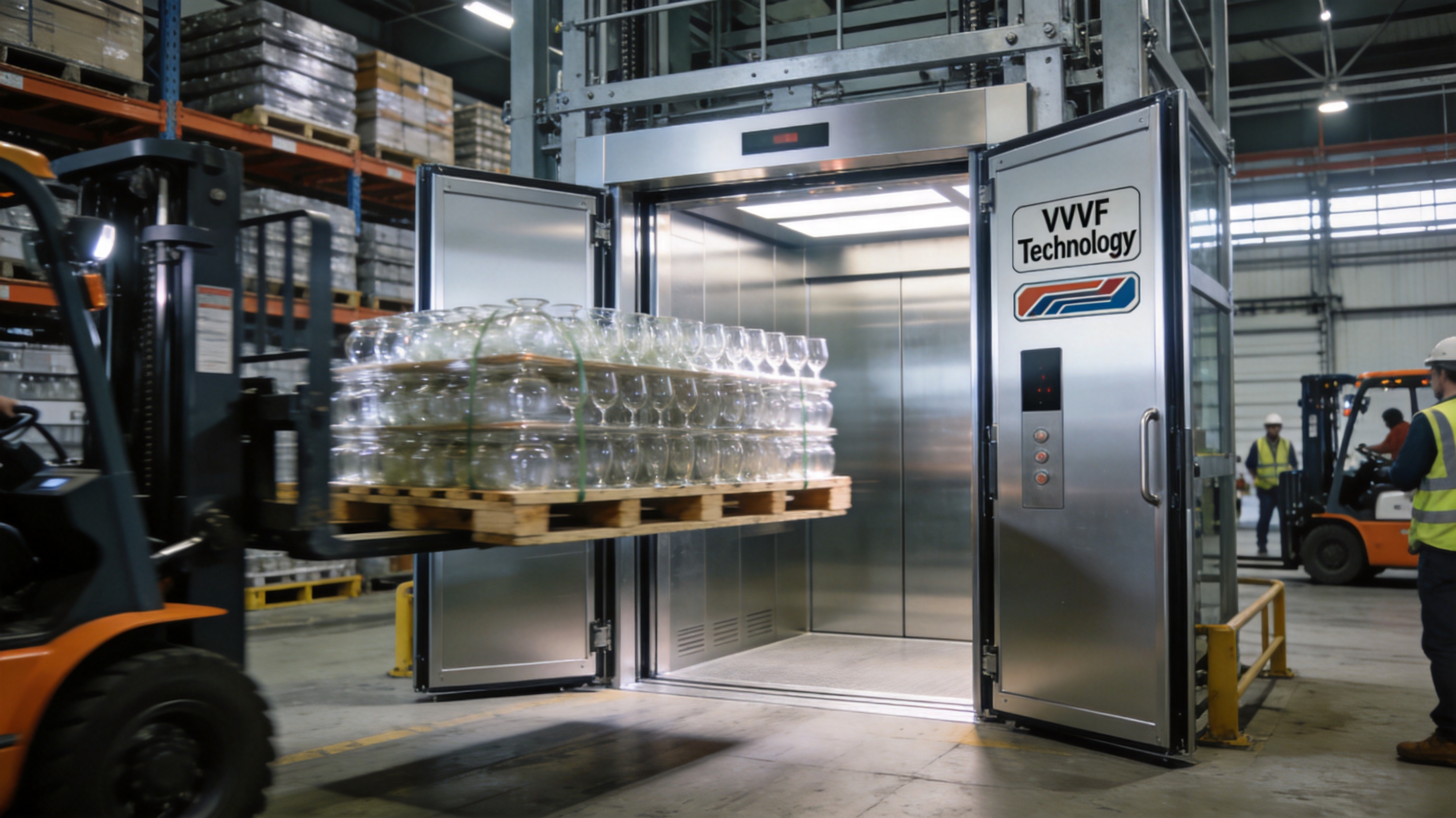
Freight elevators are the unsung heroes of modern logistics, playing a critical role in factories, warehouses, malls, and industrial facilities worldwide. They enable the safe, efficient movement of heavy and large cargo—from raw materials to finished products—without compromising on speed or reliability. However, many conventional freight elevators fall short of meeting today’s demanding needs: narrow doorways that restrict cargo flow, weak car structures that struggle with heavy loads, outdated control systems that lead to jerky movement, and insufficient safety features that put both cargo and personnel at risk. Enter the next-generation freight elevator, designed to address these gaps and set a new standard for performance, safety, and customization.
Core Advantages of the Next-Generation Freight Elevator
The modern freight elevator stands out from its competitors due to a combination of cutting-edge technology, uncompromising safety, and user-centric design. Below are its key advantages:
1. Advanced CPU and VVVF Technology for Precision and Reliability
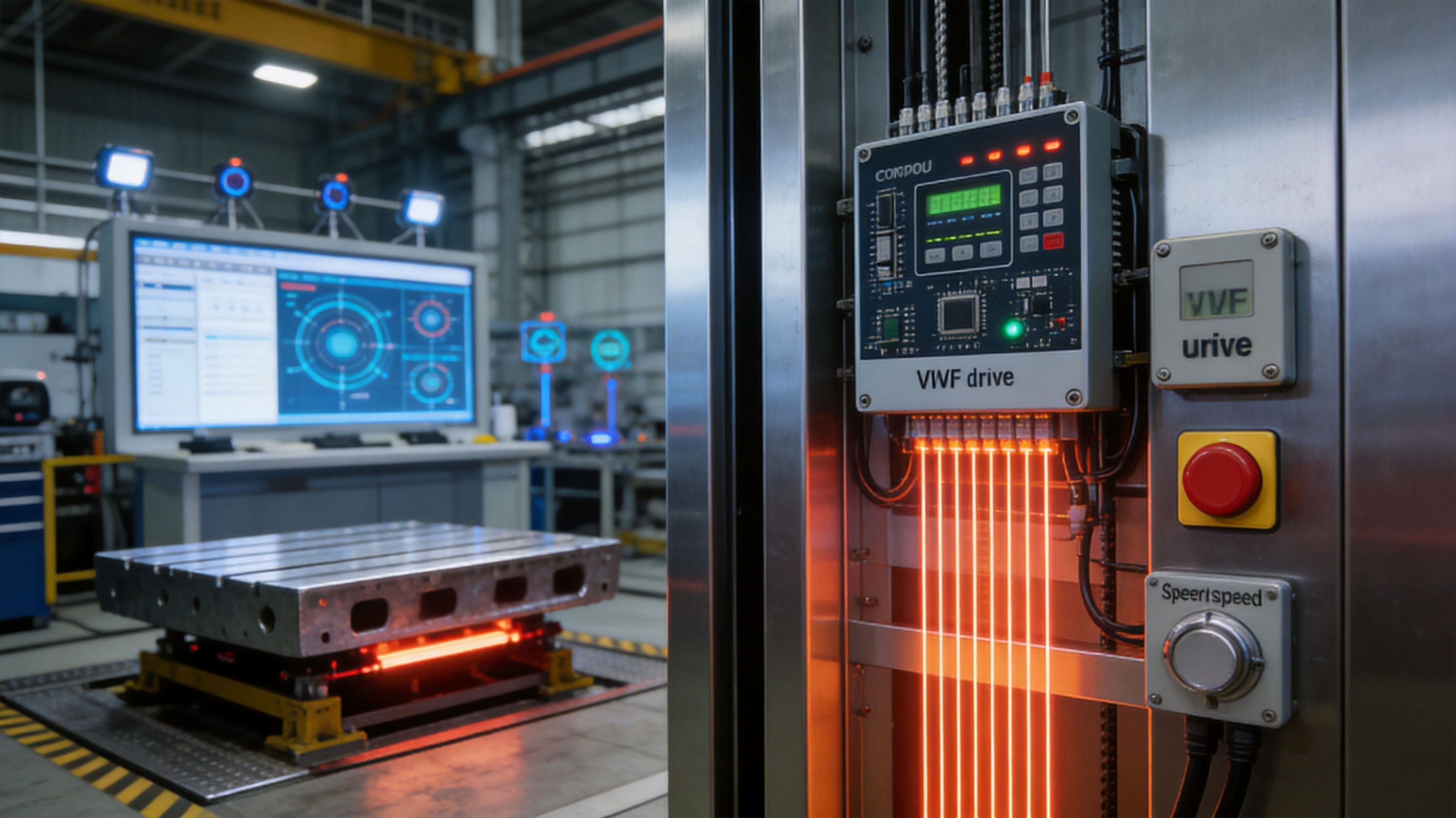
At the heart of this freight elevator is an advanced CPU control system, which enables contact-free operation and real-time data processing. Unlike conventional elevators that rely on outdated relay-based controls, this system uses microprocessors to manage every aspect of the elevator’s movement—from speed adjustment to door operation—resulting in smoother, more precise performance. The contact-free design reduces wear and tear on mechanical components, extending the elevator’s lifespan and minimizing maintenance costs.
Complementing the CPU control system is a Variable Voltage Variable Frequency (VVVF) drive, a technology that adjusts the elevator’s motor speed based on load and travel distance. This not only reduces energy consumption by up to 30% compared to traditional fixed-speed systems but also ensures steady, vibration-free movement. For fragile cargo—such as glassware, electronics, or perishable goods—this smooth operation is critical to preventing damage during transit.
2. Uncompromising Safety Features for Cargo and Personnel
Safety is non-negotiable for this freight elevator, which incorporates a comprehensive suite of features to protect both cargo and personnel. All safety components—including safety dampers, speed limiters, and emergency stop systems—are manufactured in strict compliance with international standards (e.g., ISO 81, EN 81). Here are some key safety highlights:
High-Intensity Car Structure: The elevator’s car bottom uses high-strength, rust-resistant steel that can withstand heavy loads and harsh environments (e.g., warehouses with moisture or dust). This material not only prolongs the elevator’s lifespan but also prevents damage from frequent loading and unloading of heavy cargo.
Precision Mechanical Processing: Every component undergoes precise machining to ensure consistent performance. This reduces the risk of breakdowns and ensures that the elevator operates reliably even under heavy use.
Comprehensive Safety Circuits: The elevator includes safety interlocks for doors, overload protection, terminal forced slow-down, and over-run protection. In the event of a power failure, an emergency leveling device automatically brings the elevator to the nearest floor, ensuring passengers (if present) are not stranded.
3. Considerate Design for Maximum Practicality
The freight elevator is designed with the end user in mind, offering features that simplify cargo handling and adapt to diverse facility layouts:
Multiple Door Opening Modes: To accommodate different warehouse and factory layouts, the elevator offers four door opening modes: side opening, center-opening double-folded door, one-way door opening, and opposite door opening. This flexibility ensures that cargo can be loaded and unloaded efficiently, regardless of the facility’s configuration.
Wide Doorways and Spacious Car: The door width matches the car width, allowing large cargo (e.g., pallets, machinery) to be moved in and out without obstruction. The car is also spacious and sturdy, designed to handle heavy loads while providing enough room for personnel to accompany cargo if needed.
Dual-Use Capability: Unlike many freight elevators that are restricted to cargo only, this model is designed for both cargo and personnel. Its safety features—such as light curtain protection and emergency stop buttons—ensure that personnel are safe when traveling with cargo.
4. High-Performance Efficiency and Energy Savings
In addition to its VVVF drive, the elevator includes several smart features that optimize efficiency and reduce operational costs:
Auto Door Hold Time Adjustment: The elevator automatically adjusts the door hold time based on cargo size and loading speed, reducing unnecessary waiting time and improving throughput.
Full-Load Bypass: When the elevator is fully loaded, it bypasses intermediate floors to reach its destination faster, saving time for high-priority cargo.
Energy-Saving Standby Mode: When not in use, the elevator enters a low-power standby mode, reducing energy consumption by up to 15% during idle periods.
Manufacturing Excellence: The Backbone of Quality
The superior performance of this freight elevator is rooted in the manufacturing processes of its producer, Tenau Elevator (China) Co., Ltd. The company’s commitment to quality is evident in its German-inspired Industry 4.0 production system and rigorous quality control measures.
1. German-Inspired Industry 4.0 Production System
Tenau Elevator’s production facility is equipped with an intelligent Industry 4.0 system, guided by the German Tenau Elevator Group. This system integrates big data, Internet of Things (IoT) technology, and automated equipment to create a seamless, efficient production process:
Intelligent Processing: Automated CNC machines and robotic arms handle component processing, ensuring precision and consistency. IoT sensors monitor each step of the process, collecting data to identify potential issues before they lead to defects.
End-to-End Monitoring: From raw material inspection to final assembly, every stage of production is tracked via IoT devices. This allows the company to trace any component back to its origin, ensuring accountability and quality.
Green Production: The facility uses eco-friendly materials and energy-efficient equipment, aligning with global sustainability standards. This not only reduces the company’s carbon footprint but also ensures that its products are compliant with environmental regulations in key markets.
2. Rigorous Quality Control at Every Stage
Tenau Elevator follows a “zero-defect” strategy, with quality control measures implemented at every stage of production:
Raw Material Inspection: All raw materials—including steel, electronics, and safety components—are tested against international standards before being used in production.
In-Process Testing: During assembly, each component is tested for functionality and durability. For example, safety dampers are subjected to stress tests to ensure they can withstand extreme conditions.
Final Pre-Delivery Testing: Every elevator undergoes a 48-hour simulation test, where it is exposed to heavy loads, varying temperatures, and different door opening modes. This ensures that the elevator performs reliably in real-world conditions.
3. Customization Capabilities to Meet Unique Needs
Tenau Elevator understands that no two facilities are the same, which is why it offers extensive customization options for its freight elevators:
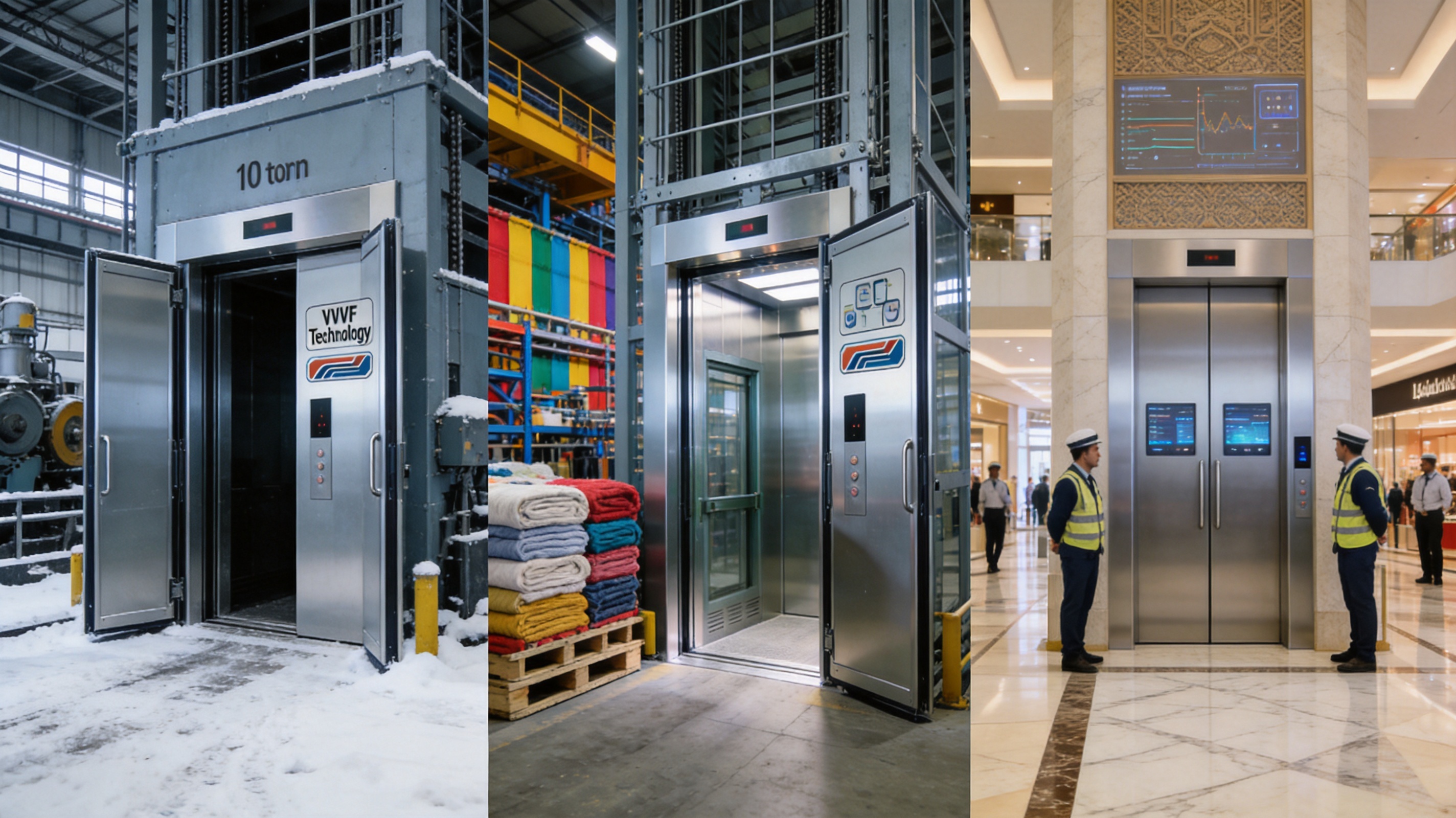
Load Capacity: The elevator can be customized to handle loads from 1 ton to 10 tons or more, depending on the client’s needs.
Car Size: The car dimensions can be adjusted to fit large cargo, such as industrial machinery or pallets.
Control Panel Languages: The control panel can be configured with multiple languages—including English, Spanish, Russian, and Arabic—to suit global clients.
Additional Features: Clients can add optional features such as IC card control, remote monitoring, and voice announcements to enhance the elevator’s functionality.
Competitive Edge: How This Elevator Stands Out
To understand the value of this freight elevator, it’s important to compare it to conventional models on the market:
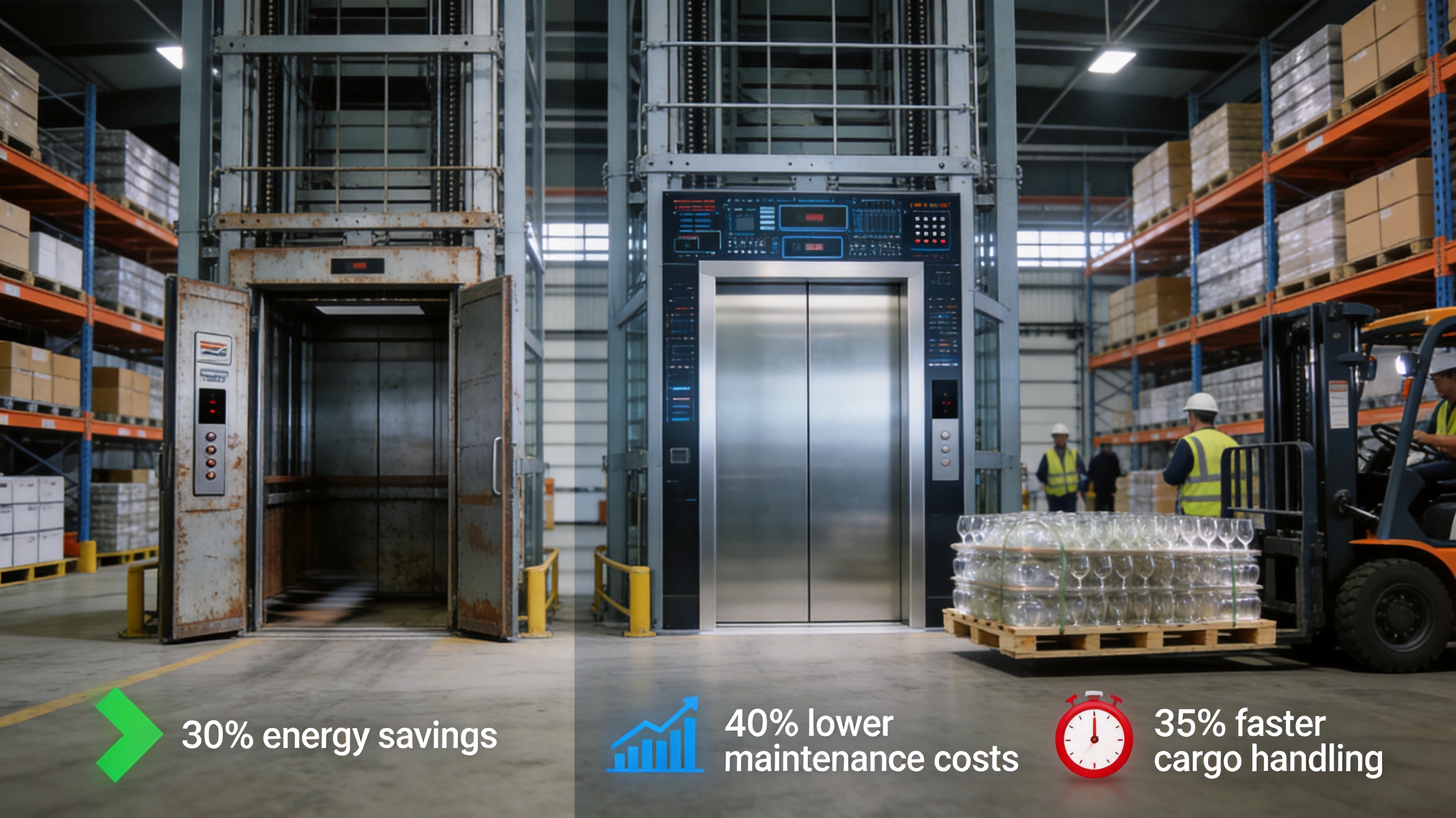
| Conventional Freight Elevator | Next-Generation Freight Elevator | |-------------------------------|-----------------------------------| | Outdated relay-based controls | Advanced CPU control with contact-free operation | | Fixed-speed motors (high energy use) | VVVF drive (30% energy savings) | | Limited door opening modes (1-2 options) | 4+ door opening modes (flexible for diverse layouts) | | Weak car structure (prone to rust/damage) | High-intensity rust-resistant steel (long lifespan) | | Basic safety features (no emergency leveling) | Comprehensive safety features (compliant with ISO/EN standards) | | No remote monitoring | Intelligent remote monitoring (predictive maintenance) | | Limited customization | Extensive customization (load capacity, car size, languages) |For example, a manufacturing facility in Mexico replaced its conventional freight elevator with this model and reported a 35% reduction in cargo handling time due to the wide, center-opening double-folded doors. Another client in Russia noted a 40% decrease in maintenance costs because of the elevator’s reliable CPU control system and minimal wear and tear.
Elevator Function Overview
The freight elevator offers a comprehensive range of functions to optimize operation and enhance user experience. Below is a detailed breakdown of its key functions:
| Function Category | Function Name | Status |
|---|---|---|
| Control Functions | Well and floor distance self-tuning | Standard |
| Power on re-leveling | Standard | |
| Micro-touch button for car | Standard | |
| Start protection control | Standard | |
| Car arrival china | Optional | |
| VVVF drive | Standard | |
| VVVF drive for door operator | Standard | |
| The second car operation panel | Optional | |
| Automatic adjustment of door open holding time | Standard | |
| Car call cancel | Standard | |
| Information Functions | Full collective control | Standard |
| Full-load bypass | Standard | |
| Main floor shut off | Standard | |
| Self diagnosis of breakdown | Standard | |
| Five-way communication | Standard | |
| Car's Bell | Standard | |
| Floor and direction indicator in the car | Standard | |
| Floor and direction indicator at hall | Standard | |
| Safety Functions | Light curtain protection | Standard |
| Overload aiding stop | Standard | |
| Terminal forced slow-down protection | Standard | |
| Up/down over-run and floral limit protection | Standard | |
| Down over speed protection | Standard | |
| Up over speed protection | Standard | |
| Safely stop | Standard | |
| Inching operation | Standard | |
| Inspection operation | Standard | |
| Power failure emergency leveling device | Optional | |
| Anti-nuisance | Standard | |
| Fire emergency return | Standard | |
| Auto-landing with fault | Standard | |
| Safety circuit protection | Standard | |
| Door interlock protection | Standard | |
| Comfortable Functions | Emergency car lighting | Standard |
| Gar ventilation light automatically shuts off | Standard | |
| Repeated door closing | Standard | |
| Reopen with hall call | Standard | |
| Express door closing | Standard | |
| Car stop and door open | Standard | |
| Door opening line extending | Optional | |
| Door close delay | Standard |
Frequently Asked Questions (FAQ)
Below are answers to common questions about the freight elevator:
Q1: Is this freight elevator suitable for both cargo and personnel?
A: Yes. The elevator is designed with dual-use capability, featuring safety features such as light curtain protection and emergency stop buttons to ensure the safety of personnel when traveling with cargo. Its sturdy car structure and wide doors also make it ideal for moving large cargo.
Q2: Can the elevator be customized to fit specific warehouse layouts?
A: Absolutely. Tenau Elevator offers extensive customization options, including multiple door opening modes (side, center-folded, one-way, opposite) and adjustable car sizes. The company works closely with clients to create tailored solutions that meet their unique facility needs.
Q3: What maintenance support is available for global clients?
A: Global clients have access to 24/7 customer service, exclusive maintenance plans (one-to-one client data files), and remote monitoring via the Tenau Eye system. This system tracks the elevator’s performance in real time, allowing for predictive maintenance and prompt response to any issues.
Q4: How does the elevator ensure energy efficiency?
A: The elevator uses a VVVF drive, which adjusts motor speed based on load and travel distance, reducing energy consumption by up to 30% compared to traditional systems. It also includes smart features like auto door hold time adjustment and full-load bypass to optimize energy use.
Q5: What safety certifications does the elevator have?
A: All safety components are manufactured in compliance with international standards, including ISO 81 and EN 81. The elevator undergoes rigorous testing to ensure it meets global safety requirements, and it comes with a certificate of compliance for key markets.
Q6: What is the warranty period for the elevator?
A: The standard warranty period is 12 months, covering parts and labor. Extended warranty options are available for clients who wish to extend coverage up to 36 months.
Q7: Can the elevator handle heavy loads?
A: Yes. The elevator can be customized to handle loads from 1 ton to 10 tons or more, depending on the client’s needs. Its high-intensity car structure and robust components ensure it can withstand heavy use.
References
1. International Organization for Standardization (ISO). (2020). ISO 81:2020 Safety rules for the construction and installation of lifts. Geneva, Switzerland: ISO Publishing.
2. European Committee for Standardization (CEN). (2018). EN 81-20:2018 Safety rules for lifts – Part 20: Lifts for the transport of goods and passengers (goods lifts). Brussels, Belgium: CEN.
3. Smith, J. (2021). The Future of Freight Elevators: Technology and Safety Trends. New York: Industrial Press.
4. Global Elevator Industry Report (2023). Market Research Future. Mumbai, India: Market Research Future Pvt. Ltd.
5. Tenau Elevator (China) Co., Ltd. (2022). Freight Elevator Product Manual. Huzhou, China: Tenau Elevator Publishing.
Conclusion
The next-generation freight elevator represents a significant advancement in cargo transportation technology. Its combination of advanced CPU control, VVVF drive, uncompromising safety features, and user-centric design makes it a superior choice for factories, warehouses, malls, and industrial facilities worldwide. Backed by Tenau Elevator’s German-inspired manufacturing processes and commitment to quality, this elevator not only meets but exceeds the needs of modern logistics. Whether you’re looking to improve cargo handling efficiency, reduce maintenance costs, or enhance safety, this freight elevator is a reliable and cost-effective solution.

Related Products
Related News
Built on safety, forging trust in vertical mobility.
lf you have any questions or need help, feel free to contact with our team.
 export@tenau.com.cn
 +86-18601458867
 +86-512-65059883
Elevator & Escalator
Factory Add
East of Xicheng Road, North of Lianyi Road, Nanxun Economic Development Zone, Nanxun District, Huzhou City, Zhejiang Province, P.R.China
Copyright © Tenau Elevator (China) Co., Ltd. All Rightd Reserved.
Custom High Quality Elevator Suppliers and World Brand Elevator Company