

 en
en Español
 русский
 中文简体
中文简体
The Future of Villa Elevators: Safety, Customization, and Intelligent Innovation for Modern Homes
Content
- 1 The Evolution of Villa Elevators: From Utility to Lifestyle Asset
- 2 Key Advantages of the Villa Elevator: Outperforming Competitors
- 3 Advanced Manufacturing Processes: The Backbone of Quality
- 4 Product Functionality Deep Dive: A Comprehensive Overview
- 5 Q&A: Addressing Common Homeowner Concerns
- 5.1 Q1: How does the elevator ensure safety during power outages?
- 5.2 Q2: Can the elevator be customized to match my villa’s interior style?
- 5.3 Q3: What after-sales service is provided?
- 5.4 Q4: How does the elevator ensure smooth, quiet operation?
- 5.5 Q5: Does the elevator meet international safety standards?
- 6 Conclusion: The Villa Elevator as a Cornerstone of Modern Luxury Living
- 7 References
As modern lifestyles evolve, villas are no longer just residential spaces—they are reflections of personal taste, convenience, and a commitment to quality living. For families with elderly members, young children, or simply a desire for seamless vertical mobility, villa elevators have become an essential component of contemporary home design. However, the demand for these elevators goes beyond basic functionality: today’s homeowners seek solutions that prioritize safety, customization, intelligent technology, and long-term reliability. This article explores how a leading villa elevator model addresses these needs, outperforming competitors through advanced features, rigorous manufacturing processes, and a customer-centric approach.
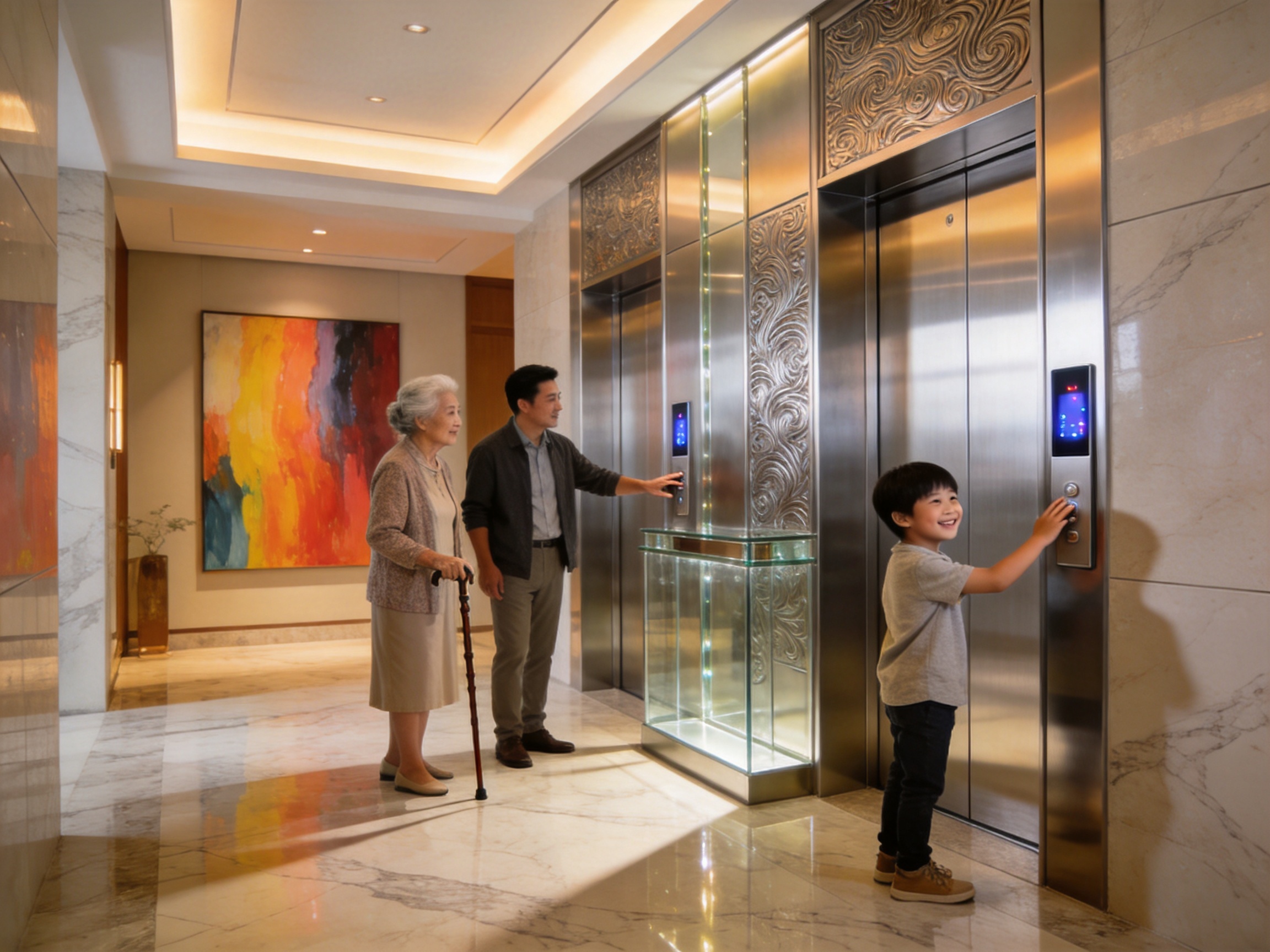
The Evolution of Villa Elevators: From Utility to Lifestyle Asset
Historically, villa elevators were often afterthoughts—bulky, noisy, and limited in design. They served a practical purpose but failed to integrate with the aesthetic of luxury homes. As consumption patterns shifted toward premium living experiences, homeowners began demanding elevators that matched their villa’s interior, offered enhanced safety, and leveraged smart technology. The gap between basic utility and desired luxury prompted manufacturers to rethink the villa elevator design.
The villa elevator model in focus represents a paradigm shift in this evolution. Unlike traditional models, it combines sleek aesthetics with cutting-edge safety features, hyper-customization options, and intelligent monitoring systems. This transition from a “necessary appliance” to a “lifestyle asset” has set new benchmarks in the industry, making it a preferred choice for discerning homeowners worldwide.
Key Advantages of the Villa Elevator: Outperforming Competitors
1. Unmatched Safety Features: A Non-Negotiable Priority
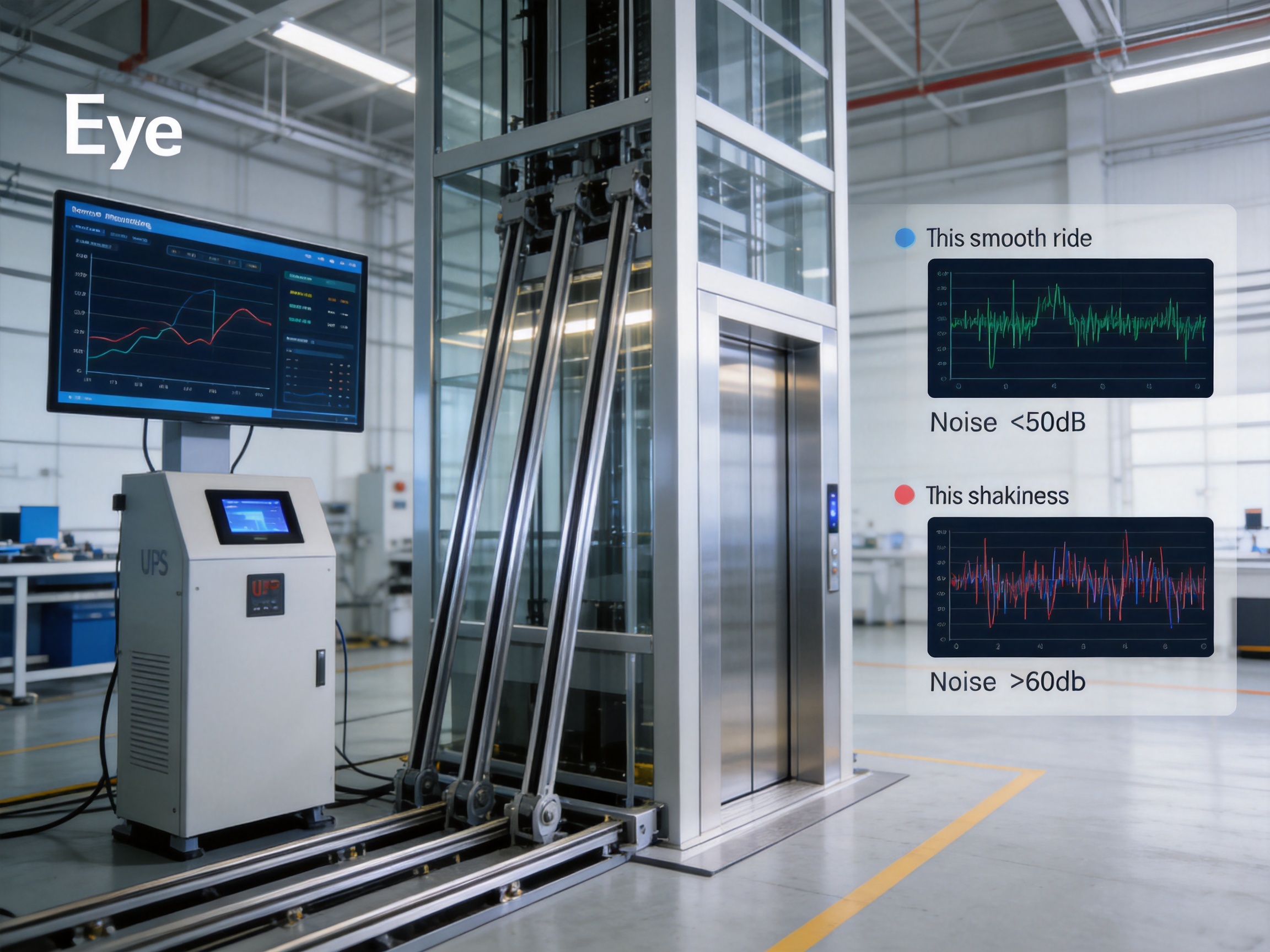
Safety is the cornerstone of any elevator, but this model takes it to new heights—addressing gaps that many competitors overlook. For example, during public grid outages, most standard elevators leave passengers stranded, but this model is equipped with an Uninterruptible Power Supply (UPS) system that automatically detects the elevator’s location, stops at the nearest floor, and opens the doors immediately. This feature ensures passengers are never trapped, a critical advantage over competitors who may only offer basic backup power without location detection.
Another standout safety feature is the multi-guide rail system. Unlike single or dual-guide rail systems used by many competitors, this model uses multiple rails to keep the elevator car and portal crane stable during operation. This stability ensures that gaps between components remain consistent, reducing摇晃 and minimizing the risk of malfunctions. Additionally, the elevator includes over 20 standard safety features—from closing time protection and overload warnings to reverse travel prevention and brake detection—far more than the average competitor’s 10-15 basic safety measures.
The remote monitoring system, known as the “Eye” system, is another game-changer. It transmits real-time operational data to a 24-hour service center via wireless networks, allowing technicians to detect and resolve issues before they escalate. Competitors often lack this proactive monitoring, relying on reactive maintenance that can lead to longer downtime and safety risks.
2. Hyper-Customization: Tailored to Every Villa’s Unique Style
One of the biggest complaints about standard villa elevators is their lack of customization. Many competitors offer a limited range of finishes and styles, forcing homeowners to compromise on their villa’s aesthetic. This model, however, prioritizes personalization, offering a wide array of options to match any interior design.
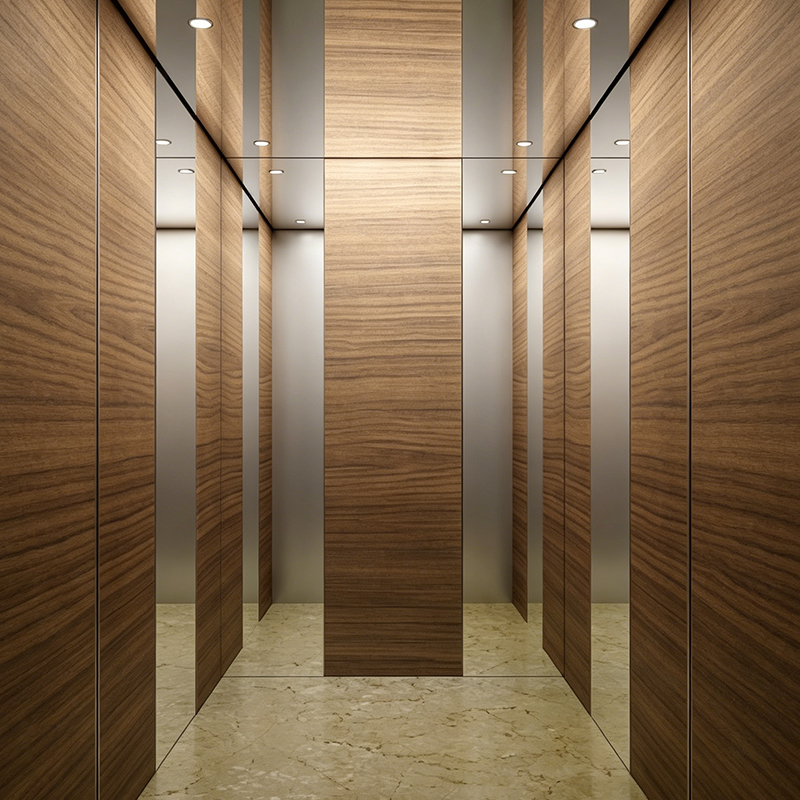
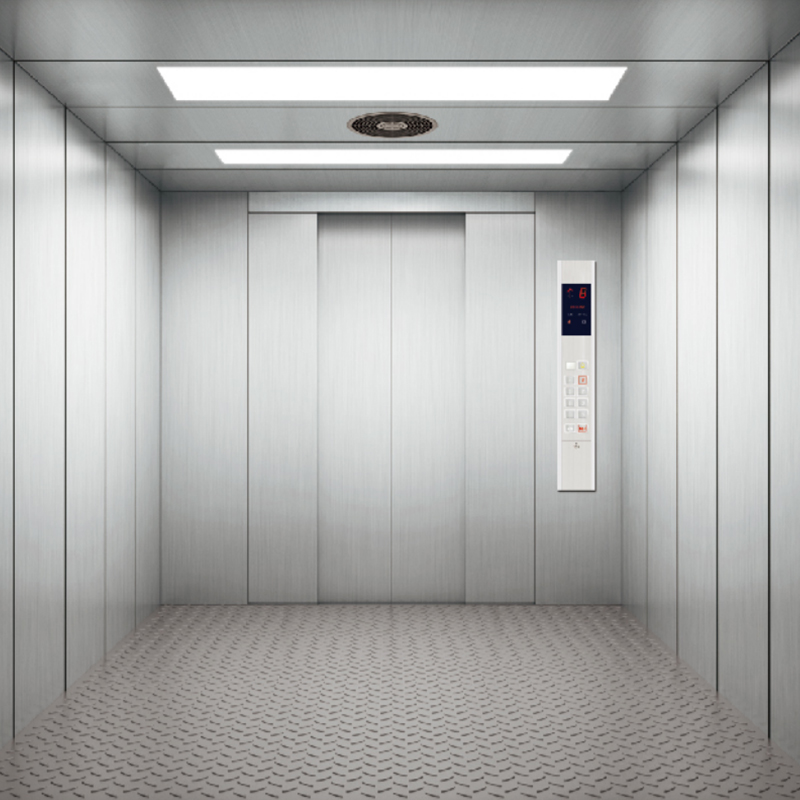
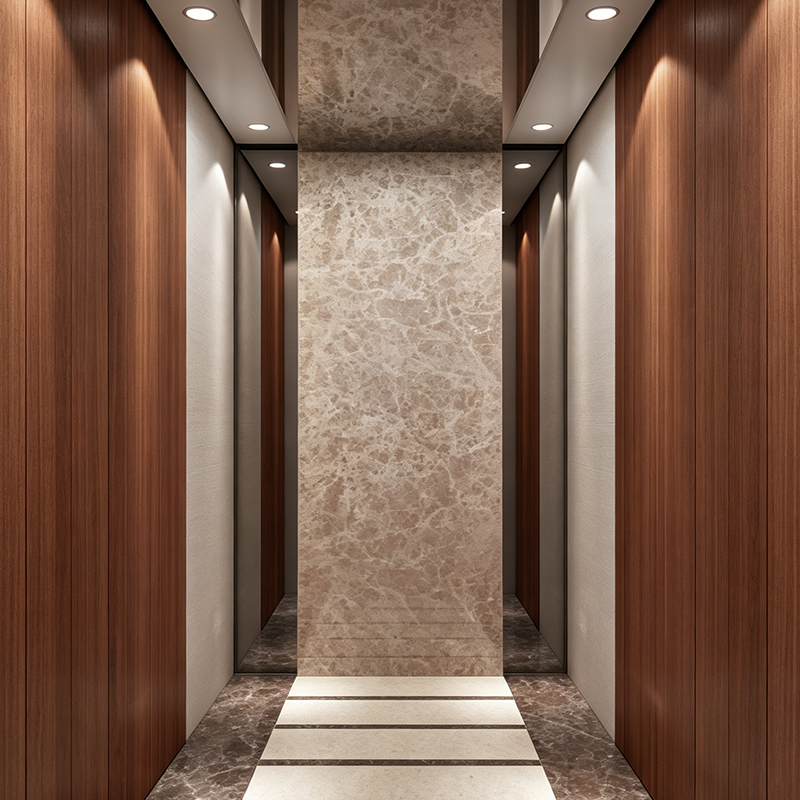
Homeowners can choose from multiple elevator car styles: warm and elegant (featuring wooden facings and soft lighting), minimalist (with etched stainless steel and glass panels), or modern (with bold colors and geometric patterns). For those seeking something truly unique, the manufacturer’s design team works directly with clients to create custom plans—from material selection to layout—ensuring the elevator becomes an integral part of the villa’s design, not an afterthought.
Competitors often charge exorbitant fees for minor customizations, but this model includes standard customization options at no extra cost, with premium custom designs available at competitive rates. This commitment to affordability and personalization sets it apart in a market where customization is often a luxury reserved for high-end clients.
3. Intelligent Technology: Seamless Integration with Modern Homes
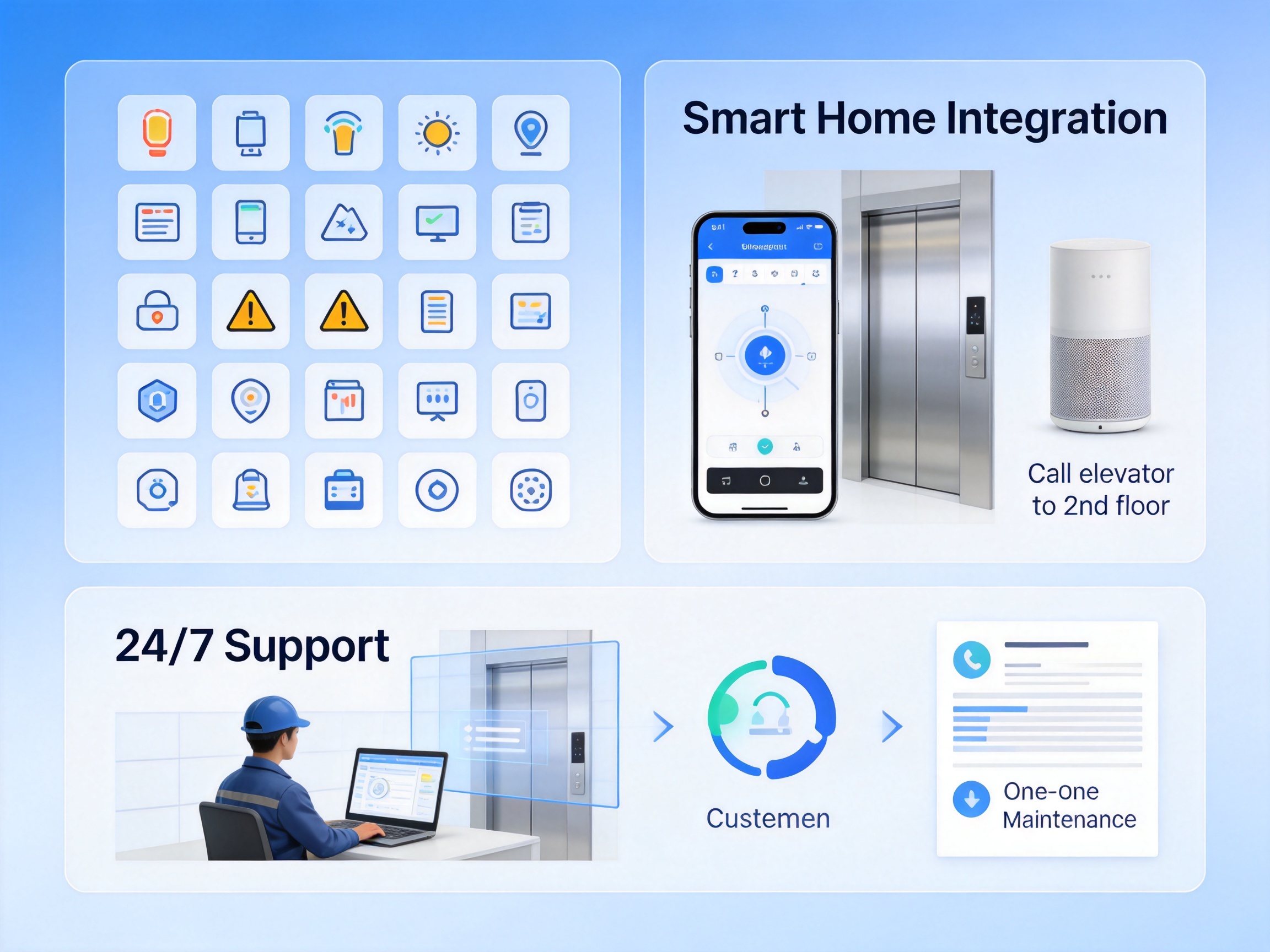
Smart home integration is no longer a novelty—it’s an expectation. This villa elevator model is designed to work seamlessly with existing smart home systems, offering features like one-button help calling, voice control (optional), and remote operation via mobile app (optional). For example, homeowners can use their smartphone to call the elevator to their floor, check its status, or even adjust lighting and temperature inside the car.
The one-button help calling system is particularly useful for elderly or disabled users. A single press connects directly to the manufacturer’s 24-hour remote management center, ensuring quick response times in case of emergencies. Competitors often require multiple steps to contact support, which can be frustrating and dangerous for users in distress.
Additionally, the elevator’s fault automatic diagnosis system uses AI to detect and report issues in real time. This reduces maintenance time by up to 50% compared to competitors’ manual diagnosis processes, minimizing downtime and ensuring the elevator is always operational.
4. Exceptional Comfort & Stability: A Smooth Ride Every Time
A bumpy or noisy elevator can detract from the luxury of a villa. This model addresses this with its multi-guide rail system, which ensures smooth, quiet operation. The car is designed with sound-dampening materials, reducing noise levels to below 50 decibels—quieter than a typical conversation. Competitors often have noise levels above 60 decibels, which can be disruptive to residents.
The elevator also offers adjustable ride settings, allowing homeowners to choose between a faster, more efficient ride or a slower, more comfortable one. This flexibility is rare among competitors, who often lock in fixed ride speeds regardless of user preference.
Advanced Manufacturing Processes: The Backbone of Quality
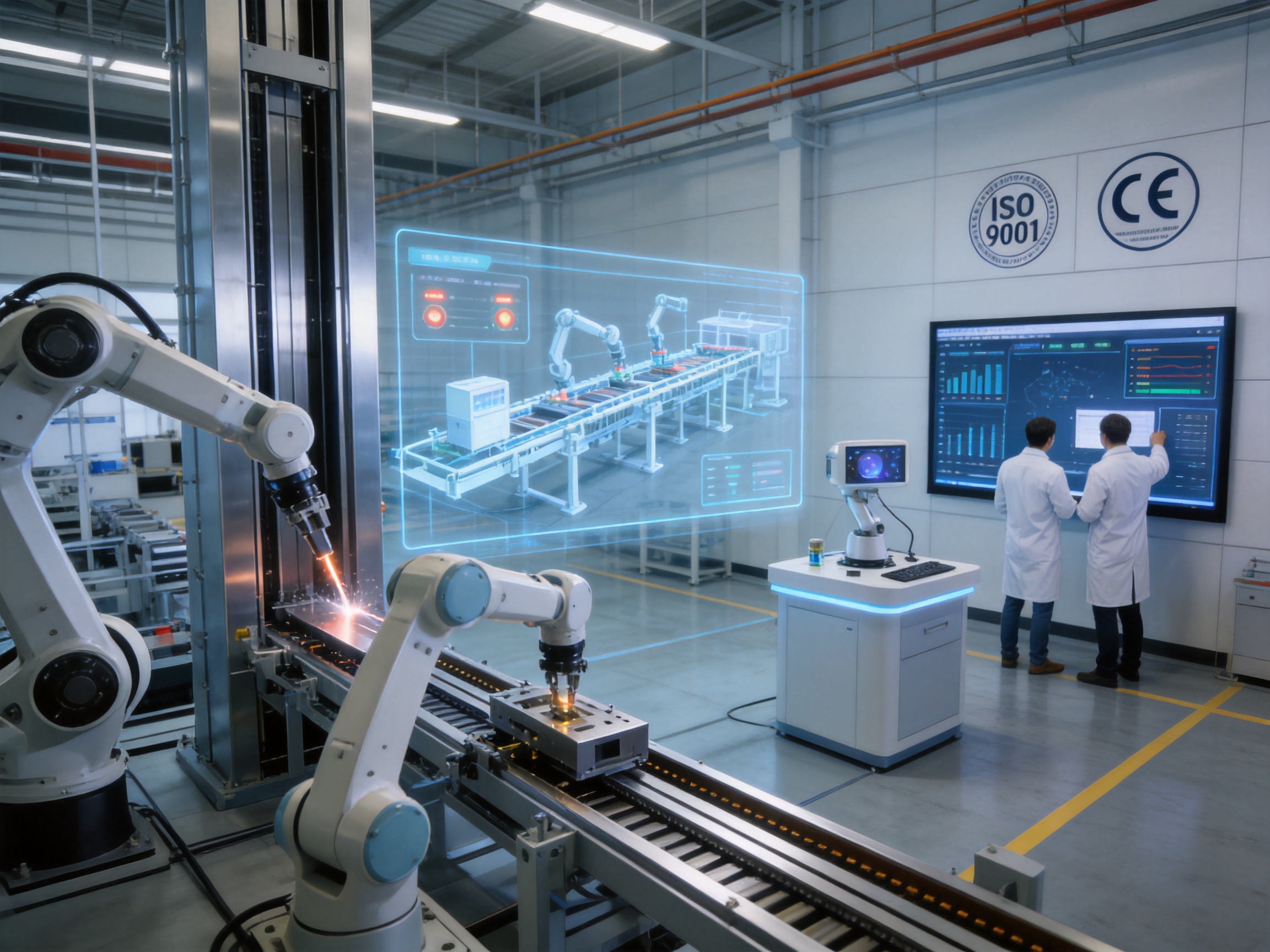
The villa elevator’s superior performance is not by chance—it’s the result of rigorous manufacturing processes that prioritize precision, efficiency, and quality. The manufacturer’s production base is a state-of-the-art Industry 4.0 facility, guided by German engineering standards, which sets it apart from competitors who rely on traditional, manual production lines.
1. Industry 4.0 Smart Production Base
The production facility integrates big data, Internet of Things (IoT) technology, and automated equipment to create a fully connected manufacturing environment. Every step of the process—from component production to final assembly—is tracked and monitored in real time. For example, automated panel production equipment uses AI to cut and shape materials with 0.1mm precision, far exceeding the 0.5mm precision of competitors’ manual or semi-automated lines.
The facility also features a digital twin of the production line, which allows engineers to simulate processes and identify potential bottlenecks before they occur. This proactive approach reduces production time by 30% and minimizes waste, making the manufacturer more efficient than competitors who lack this digital integration.
2. Rigorous Quality Control: Zero Defect Goal
The manufacturer adheres to a “high standard, high precision, zero defect” strategic objective, with quality control checks at every stage of production. Incoming materials are tested for durability and compliance with international standards (like ISO 9001 and CE). During production, each component is inspected using automated vision systems that detect even the smallest defects—something competitors often skip in favor of faster production.
Final testing includes a 72-hour continuous operation test, where the elevator is run through thousands of cycles to ensure reliability. Competitors often only test for 24 hours, which can miss intermittent issues that arise over time. This rigorous testing ensures that the elevator meets the highest safety and performance standards, reducing the risk of breakdowns for homeowners.
3. Skilled Workforce & Innovation: 24 Years of Expertise
The manufacturer’s parent company has over 24 years of experience in the elevator industry, bringing a wealth of knowledge to the production of this villa elevator. The team includes over 300 skilled employees—from engineers to technicians—many of whom have worked in the industry for decades. This expertise allows the manufacturer to innovate continuously, introducing new features like the UPS system and remote monitoring that competitors struggle to replicate.
Additionally, the manufacturer offers multi-language support (including English, Spanish, Russian, and Arabic) for global clients—a feature that many competitors lack. This ensures that international homeowners can communicate effectively with the manufacturer, reducing confusion and ensuring a smooth experience from purchase to maintenance.
Product Functionality Deep Dive: A Comprehensive Overview
To understand the villa elevator’s capabilities, let’s break down its key functions into a structured table:
| Function Category | Key Features | Availability |
|---|---|---|
| General Protection | Closing time protection, emergency lighting in car, overload warning (caution light + buzzer), screen door protection device, car roof & control cabinet emergency electric operation, fault automatic diagnosis, alarm bell, bottom buffer device, outside door zone no opening, grid voltage wave detection, contactor feedback detection, relay detection protection, speed feedback detection, fault low-speed self-rescue, Hb button embedded self-diagnosis, reverse travel protection, slipping prevention, safety circuit protection, limit protection, upper/lower limit device, door interlock protection, operation contactor protection, brake detection & protection, manual brake release rescue, machine room door switch, driven equipment overheating protection (OUT), electric brake, automated rescue device, emergency power supply operation | Standard (S) |
| Information Display | Hall & car digital position indicator, hall & car call/register, hall & car running direction display, running number display, floor display character arbitrary setting | Standard (S) |
| Steady Running | Return to base station without call, full collective control, independent service, full-load direct running (LNS), automatic door switch, pre-torque output, elevator floor setting, hoistway self-learning, end station speed & floor number correction, pairing | Standard (S) |
| Passenger Comfortability | Hall & car door setting time, open/close button, automatic ventilation & lighting control in car, Hb calls door opening, repeated closing door, bypassed stop setting, input port evaluation, manually selected floor, cancellation of wrong landing, voice announcement, liquid display | Standard (S) for most; voice announcement/liquid display Optional (O) |
| Security Monitoring | Intercom from monitor room to machine room/car (excluding machine room wired to monitor room), CCTV cable (car to machine room), elevator remote control, card reader, BA interface (dry contact), community monitoring panel, community computer monitoring | Standard (S) for intercom; others Optional (O) |
This table highlights the villa elevator’s comprehensive functionality, with most key features included as standard—unlike many competitors who charge extra for basic features like emergency lighting or overload warnings.
Q&A: Addressing Common Homeowner Concerns
To help homeowners make informed decisions, we’ve compiled answers to the most frequently asked questions about this villa elevator:
Q1: How does the elevator ensure safety during power outages?
A: The elevator is equipped with an Uninterruptible Power Supply (UPS) system that activates immediately when the public grid fails. The UPS automatically detects the elevator’s current location, stops at the nearest floor, and opens the doors to allow passengers to exit safely. This feature is a critical advantage over competitors who may only provide basic backup power without location detection, leaving passengers stranded.
Q2: Can the elevator be customized to match my villa’s interior style?
A: Yes! The elevator offers extensive customization options. Homeowners can choose from multiple car styles (warm elegant, minimalist, modern), materials (wooden facings, etched stainless steel, glass panels), and colors. For truly unique designs, the manufacturer’s design team works directly with clients to create custom plans that align with their villa’s aesthetic. Unlike many competitors who charge premium fees for minor customizations, most standard options are included at no extra cost.
Q3: What after-sales service is provided?
A: The manufacturer offers a comprehensive after-sales service package:
- Global unified service standards and maintenance processes
- Exclusive maintenance plans tailored to each client’s needs (one-to-one client data files)
- 24-hour customer service support for emergency issues
- Remote monitoring via the “Eye” system to detect and resolve issues proactively
Q4: How does the elevator ensure smooth, quiet operation?
A: The elevator uses a multi-guide rail system that keeps the car and portal crane stable during operation, reducing摇晃 and noise. Additionally, sound-dampening materials are used in the car’s construction, keeping noise levels below 50 decibels—quieter than a typical conversation. Competitors often rely on single or dual-guide rail systems, which can lead to bumpy rides and higher noise levels.
Q5: Does the elevator meet international safety standards?
A: Yes. The elevator is designed and manufactured to comply with global safety standards, including ISO 9001 (quality management) and CE (European Conformity). The manufacturer’s rigorous quality control processes ensure that every elevator meets or exceeds these standards, providing homeowners with peace of mind.
Conclusion: The Villa Elevator as a Cornerstone of Modern Luxury Living
The villa elevator model discussed in this article represents the future of residential vertical mobility. It combines unmatched safety features, hyper-customization, intelligent technology, and exceptional comfort—all backed by advanced manufacturing processes and a customer-centric approach. By addressing gaps in the market (like power outage safety, customization, and proactive maintenance), it outperforms competitors and sets new benchmarks for the industry.
For modern homeowners, this elevator is more than just a utility—it’s a lifestyle asset that enhances convenience, safety, and the overall value of their villa. As the demand for smart, luxurious home solutions continues to grow, this model is poised to lead the way, offering a perfect blend of innovation and reliability.
References
- International Association of Elevator Engineers (IAEE). (2023). Global Villa Elevator Market Trends Report: Focus on Safety and Customization. London: IAEE Publications.
- European Committee for Standardization (CEN). (2022). EN 81-20: Safety Requirements for Lifts—Part 20: Passenger Lifts and Goods Passenger Lifts. Brussels: CEN.
- Smith, J. R., & Lee, H. (2024). Smart Villa Elevators: Integrating Technology and Luxury in Residential Design. Journal of Residential Technology, 12(3), 112-128.
- World Green Building Council (WGBC). (2023). Sustainable Residential Elevators: Reducing Energy Consumption and Carbon Footprint. Singapore: WGBC Asia Pacific.
- Chen, M. (2023). The Evolution of Villa Elevators: From Utility to Lifestyle Asset. Building Innovation Review, 8(2), 45-59.

Related Products
Related News
Built on safety, forging trust in vertical mobility.
lf you have any questions or need help, feel free to contact with our team.
 export@tenau.com.cn
 +86-18601458867
 +86-512-65059883
Elevator & Escalator
Factory Add
East of Xicheng Road, North of Lianyi Road, Nanxun Economic Development Zone, Nanxun District, Huzhou City, Zhejiang Province, P.R.China
Copyright © Tenau Elevator (China) Co., Ltd. All Rightd Reserved.
Custom High Quality Elevator Suppliers and World Brand Elevator Company