

 en
en Español
 русский
 中文简体
中文简体
Compact Machine-Room-Less Home Elevator for Safer, Quieter, and More Comfortable Living
Content
- 1 1. Why a Machine-Room-Less Home Elevator Is a Smarter Residential Choice
- 2 2. Core Product Positioning: Comfort, Safety, Space Saving, and Family Care
- 3 3. Advantages Over Conventional Residential Elevator Solutions
- 4 4. Advanced Technology for a Better Residential Experience
- 5 5. Safety Functions Designed for Family Confidence
- 6 6. Comfort Functions That Improve Daily Use
- 7 7. Function Overview Table
- 8 8. Flexible Application for Modern Architecture
- 9 9. Manufacturing Strength Behind the Product
- 10 10. Intelligent Production and Quality Control
- 11 11. Service System Supported by Internet of Things Technology
- 12 12. Customization for Different Residential Needs
- 13 13. Residential Health and Environmental Considerations
- 14 14. Practical Value for Elderly-Friendly Homes
- 15 15. How the Product Supports Installers, Distributors, and Project Buyers
- 16 16. Competitive Position in the Home Elevator Market
- 17 17. Recommended Buyer Considerations
- 18 18. Q&A Section
- 18.1 Q1: What is the main advantage of a machine-room-less home elevator?
- 18.2 Q2: Is this elevator suitable for elderly users?
- 18.3 Q3: How quiet is the elevator during operation?
- 18.4 Q4: What happens if there is a power failure?
- 18.5 Q5: Does the elevator include emergency communication?
- 18.6 Q6: Can the elevator cabin be customized?
- 18.7 Q7: How does the control system improve safety and comfort?
- 18.8 Q8: What manufacturing strengths support the product’s quality?
- 18.9 Q9: Is IoT monitoring available?
- 18.10 Q10: Why choose this product over a basic residential lift?
- 19 19. Conclusion
- 20 References
A home elevator is no longer only a luxury feature for large villas or high-end private residences. It has become a practical mobility solution for families who want safer vertical transportation, better accessibility for elderly residents, improved comfort, and long-term property value. In modern residential construction, the best home elevator should not only move people between floors; it should integrate with the building, save space, reduce energy consumption, operate quietly, protect passengers in emergencies, and require dependable support throughout its service life.
The machine-room-less home elevator described here is designed around those expectations. It combines compact installation, an “electric home appliance style” energy-saving concept, all-round safety protection, environmentally responsible drive technology, and a smooth start-and-stop experience. Its purpose is not simply to provide transportation inside a house, but to support a happy, harmonious, and convenient daily life for every family member.
Compared with conventional residential elevators that require a separate machine room, larger civil construction space, and more complicated building coordination, this machine-room-less solution is more suitable for modern homes where space, aesthetics, and convenience matter. It reduces the burden on architectural planning while creating a comfortable and stable riding experience. It is especially meaningful for households with elderly people, children, or family members who need barrier-free access between floors.
Tenau Elevator (China) Co., Ltd. manufactures this home elevator with the strength of a professional elevator and escalator enterprise serving overseas markets. Located in Huzhou City, Zhejiang Province, the company benefits from proximity to Shanghai, mature production experience, intelligent manufacturing facilities, and an export-oriented service team. With production capabilities covering elevators and escalators, multilingual communication, and customers in nearly 60 countries, the company is positioned to provide customized solutions rather than only standard equipment.
1. Why a Machine-Room-Less Home Elevator Is a Smarter Residential Choice
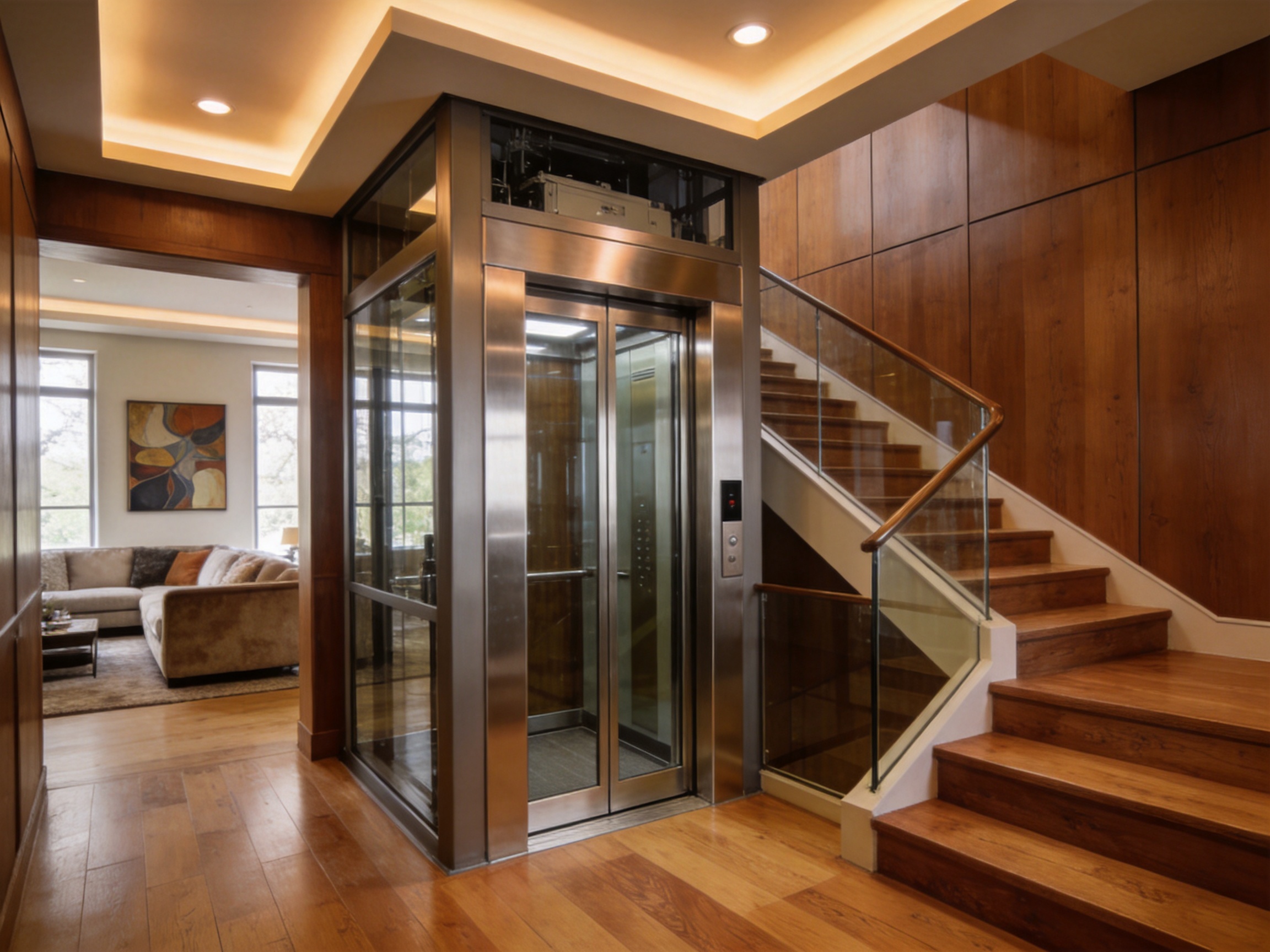
The most visible advantage of a machine-room-less home elevator is the elimination of a dedicated machine room. In many traditional elevator projects, a machine room must be reserved above the shaft or elsewhere in the building. This requirement increases construction complexity, takes valuable space, and may restrict the building’s exterior or roof design. In contrast, a machine-room-less system uses a more intensive layout, allowing the elevator to fit more naturally into the residence.
For private homes, every square meter matters. A separate machine room can interrupt the floor plan, affect the roofline, or require additional structural design. The compact design of this elevator helps architects and homeowners achieve a freer layout. It supports flexible placement and can be adapted to different home styles, including villas, duplex houses, townhouses, and private residential buildings where space efficiency is a priority.
The machine-room-less concept also reflects the modern trend of residential equipment becoming more integrated, more silent, and more energy conscious. Like a refined household appliance, a home elevator should operate smoothly in the background without disturbing family life. The product’s design emphasizes energy saving, quiet operation, safe control, and low-maintenance environmental protection. These qualities make it more suitable for homes than equipment designed primarily for public buildings.
Another important benefit is aesthetics. Modern families increasingly expect elevators to harmonize with interior decoration. The flexible car combinations and design adaptability of this home elevator allow the cabin and entrance to match different decoration preferences. Instead of looking like an industrial machine inserted into a home, the elevator can become part of the residence’s design language.
2. Core Product Positioning: Comfort, Safety, Space Saving, and Family Care
The product is positioned as a home elevator for families who value safety, comfort, quietness, and long-term reliability. Its design philosophy is rooted in daily residential use. A family elevator usually carries a smaller number of passengers than a commercial elevator, but its requirements can be more personal. It may be used by elderly parents several times a day, by children under supervision, by guests, or by residents carrying groceries, luggage, or household items.
Because of these real-life scenarios, the elevator’s smooth start and stop are essential. Sudden acceleration, vibration, or hard braking can make elderly users uncomfortable. This product uses a comfortable speed running curve and a soft start-stop design, making the experience more suitable for older people and family use. The goal is to reduce physical discomfort and increase confidence when using the elevator.
Noise control is another core element. A home is a place for rest, conversation, and sleep. Elevator noise can become a serious issue if the system is not designed for residential quietness. This home elevator combines a low-noise traction machine, car wall noise-reduction technologies, and running system noise-reduction design. Its operational noise can be less than 43 dB, helping prevent disturbance to family sleeping and rest.
Safety is not treated as a single function but as an integrated system. The elevator includes multiple protections such as fault detection and rescue, motor overheat protection, inverter overheat protection, overcurrent protection, overload protection, anti-reverse protection, slip protection, overrun protection, door block protection, entrance light curtain protection, safety circuit protection, and emergency landing rescue. This layered approach is a major advantage over simple residential lifting devices that may only provide basic movement and limited safety functions.
3. Advantages Over Conventional Residential Elevator Solutions
When comparing residential elevator solutions, homeowners usually consider space, cost of construction, ride comfort, safety, maintenance, noise, and design appearance. This machine-room-less home elevator offers competitive advantages in several of these areas.
First, the machine-room-less layout can reduce civil construction requirements. Traditional elevators with separate machine rooms often demand more building height and dedicated equipment space. For private residences, this may mean changes to the roof structure or sacrificing usable rooms. A compact machine-room-less design minimizes those compromises.
Second, compared with many older hydraulic home lifts, this traction-based solution emphasizes energy-saving operation and environmental protection. Hydraulic systems may require oil, create potential leakage concerns, and may not provide the same efficiency profile as modern traction systems. The maintenance-free environmental protection drive concept of this elevator supports cleaner and more convenient home use.
Third, the product is designed for low noise. Some residential lifts create vibration or mechanical sound that travels through the structure. This elevator addresses noise from multiple directions: traction machine design, car wall structure, and running system optimization. The result is a quieter ride that better matches the expectations of modern families.
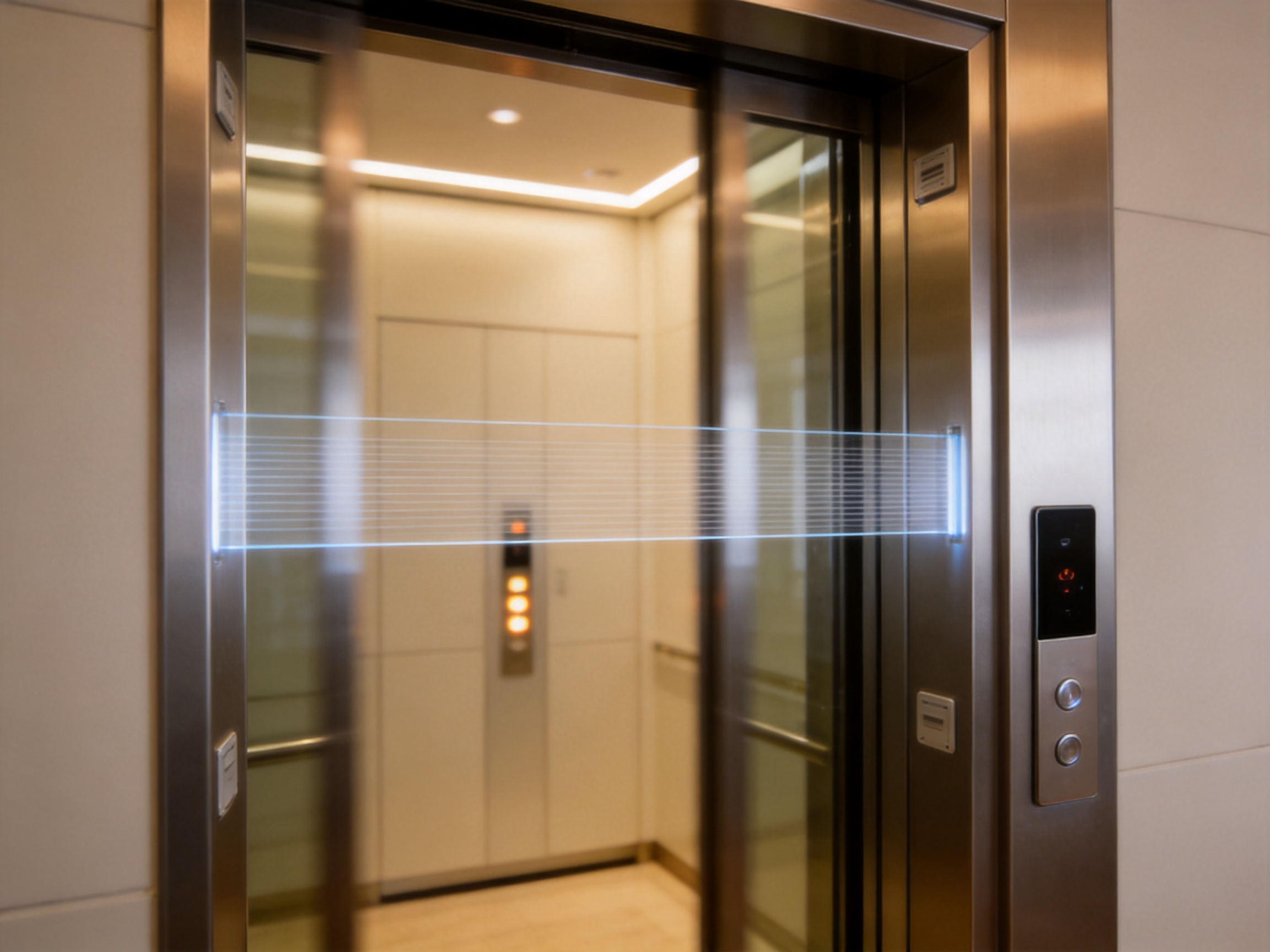
Fourth, the intellectual control system improves stability and maintenance convenience. The radiation-free integrated control cabinet combines contemporary industrial control technology with communication technology. Its steel plate enclosed design shields radiation and helps provide a stable control environment. The WVF variable frequency control door machine system allows the door running curve to be adjusted freely, improving safety and door operation quality.
Fifth, emergency protection is stronger than that of many basic residential lifting products. The trouble self-rescue system can automatically protect the elevator to a safe floor when a malfunction occurs. The power-failure self-rescue system can start a prepared power source to level the elevator safely, allowing passengers to leave. The emergency calling system enables users to seek outside support through voice communication. For a family elevator, these functions are particularly valuable because users may include elderly people or children who need reliable assistance in abnormal conditions.
4. Advanced Technology for a Better Residential Experience
The elevator’s advanced technology can be understood through three main areas: intelligent control, quiet running, and family-oriented comfort.
The intelligent control system applies an integrated control cabinet that combines industrial control technology and communication technology. For residential users, this means more than technical sophistication. It means the elevator can respond more accurately, run more steadily, and support easier maintenance. The steel plate enclosed cabinet design also helps shield electromagnetic radiation, creating a healthier environment for household use.
The product’s healthy and radiation-free concept addresses a common concern in modern homes: whether equipment will interfere with mobile phones, home appliances, or family health. The system is designed so electromagnetic radiation produced during elevator operation does not affect family health or the normal use of mobile devices and electric home appliances. It also strongly resists interference, meaning household appliances should not affect the safe operation of the elevator.
The WVF variable frequency control door machine system is another important technical element. Door operation is a major part of the elevator experience. If the door opens or closes too abruptly, users may feel unsafe. If it moves too slowly, daily use becomes inconvenient. The adjustable door machine running curve allows door action to be tuned for stable, safe, and comfortable performance.
Quiet technology is equally important. The elevator combines a low-noise traction machine, triple car wall noise-reduction technologies, and running system noise-reduction design. This integrated approach is better than relying on only one noise-control component. In a residence, sound may travel through walls, shafts, floors, and mechanical parts. Addressing noise at multiple points helps create a calmer environment.
The smooth running system is specially designed with elderly users in mind. Older passengers may be more sensitive to vibration, sudden movement, and abrupt stopping. By using a comfortable speed curve and soft start-stop characteristics, the elevator reduces the feeling of instability. This can help elderly family members use the elevator with greater confidence and independence.
5. Safety Functions Designed for Family Confidence
In a private home, elevator safety has a personal meaning. The passengers are not anonymous users in a public building; they are family members, guests, and loved ones. Therefore, the elevator must provide protection during normal use and during unusual events such as power failure, overload, door obstruction, or technical fault.
The product’s safety system includes fault detection and rescue functions. If the elevator detects something abnormal, it can start protective action and move to a safe floor. This function reduces the risk of passengers being trapped without assistance and provides reassurance for households where the elevator may be used at any time of day.
Motor overheat protection and inverter overheat protection help protect essential drive components. Overcurrent protection, overload protection, main circuit fault protection, and safety circuit protection contribute to electrical and operational security. These features are important because a home elevator must remain dependable over many years of repeated use.
Anti-reverse protection, slip protection, and overrun protection address movement safety. Door block protection and entrance light curtain protection protect passengers at the entrance, where many elevator incidents can occur if doors close unexpectedly or an obstruction is not detected. Light curtain protection is especially helpful for children, elderly users, and people moving slowly through the doorway.
The power-failure self-rescue system is one of the most practical family safety features. If a sudden power failure occurs, the system can automatically start a self-prepared power source, enabling safe leveling so passengers can leave the elevator. This is particularly important in residential areas where power interruptions may happen unexpectedly.
The emergency calling system further improves confidence. If an emergency occurs, the elevator-operated calling button can connect with an outside telephone, allowing passengers to seek support through voice messages. In a home environment, immediate communication can make the difference between anxiety and reassurance.
6. Comfort Functions That Improve Daily Use
Comfort is not limited to the feeling during travel. It includes entering the cabin, selecting a floor, waiting for the door, understanding elevator status, and exiting safely. This home elevator includes a range of functions that make daily use more convenient.
Door open and door close buttons provide direct user control. Adjustable door open time allows the elevator to accommodate different users and situations. For example, elderly passengers or users carrying items may need more time to enter or exit. Light curtain protection helps ensure that door movement remains safe during these moments.
Misuse protection and cancel call by double click can reduce unnecessary operation. Call for the other direction improves flexibility. Illumination in the cabin and ventilation in the cabin make the ride more comfortable, especially in private homes where users expect a pleasant interior environment rather than a purely functional space.
Arrival indication, running direction display, car position display, floor number display, overload warning, and fault warning provide useful information. These information functions help users know what the elevator is doing and whether it is safe to proceed. Clear feedback is especially valuable for elderly users or guests unfamiliar with the home.
Optional comfort and accessibility functions may include background music or voice announcement, handicapped functions such as braille buttons and voice announcement, through-door control, selective landing floor, and handicapped door open protection. These options allow the elevator to be adapted to special family needs or more demanding residential projects.
7. Function Overview Table
| Function Area | Key Features | Residential Benefit |
|---|---|---|
| Space-Saving Design | Machine-room-less intensive layout | Reduces building space requirements and supports flexible home planning |
| Energy Concept | Electric home appliance style energy-saving idea | Fits modern residential expectations for efficient household equipment |
| Control System | Radiation-free integrated control cabinet and WVF door control | Improves stable operation, maintenance convenience, and safe door movement |
| Noise Reduction | Low-noise traction machine, car wall noise reduction, optimized running system | Helps keep operation below 43 dB and reduces disturbance to family rest |
| Ride Comfort | Smooth speed curve and soft start-stop operation | Provides a gentler experience for elderly users and daily family travel |
| Emergency Protection | Trouble self-rescue, power-failure self-rescue, emergency calling | Enhances passenger safety during faults or power interruption |
| Door Safety | Door block protection and entrance light curtain protection | Protects passengers entering and leaving the cabin |
| Information Display | Direction display, floor display, overload warning, fault warning | Makes elevator status clear and easy to understand |
| Customization | Flexible car combinations and optional accessibility functions | Allows the elevator to match different interiors and family needs |
8. Flexible Application for Modern Architecture
A good home elevator must adapt to the house rather than forcing the house to adapt excessively to the elevator. This product supports building aesthetics design and allows rich car combinations. It can satisfy different preferences for interior style, material selection, cabin atmosphere, and entrance appearance.
Flexibility is particularly important in residential projects because each home is different. One family may need a compact elevator for an existing villa renovation. Another may want a refined elevator in a newly built luxury residence. Another may prioritize barrier-free mobility for elderly parents. The machine-room-less layout and customizable cabin options support these different use cases.
By saving space, the elevator can bring more freedom to the building. A homeowner may preserve storage space, maintain a clean roofline, or create a more elegant stair-and-elevator layout. For architects and contractors, this flexibility can simplify design coordination and make the project more attractive to clients.
The elevator also supports a more inclusive home environment. As populations age and families plan for long-term living, private elevators are increasingly viewed as future-proofing investments. Installing a home elevator can allow residents to stay in their homes longer, reduce dependence on stairs, and improve convenience for all age groups.
9. Manufacturing Strength Behind the Product
The performance of an elevator depends not only on its design but also on the manufacturing system behind it. Tenau Elevator (China) Co., Ltd. is located in Nanxun Economic Development Zone, Huzhou City, Zhejiang Province. Its location near Shanghai supports convenient logistics, international communication, and overseas market service.
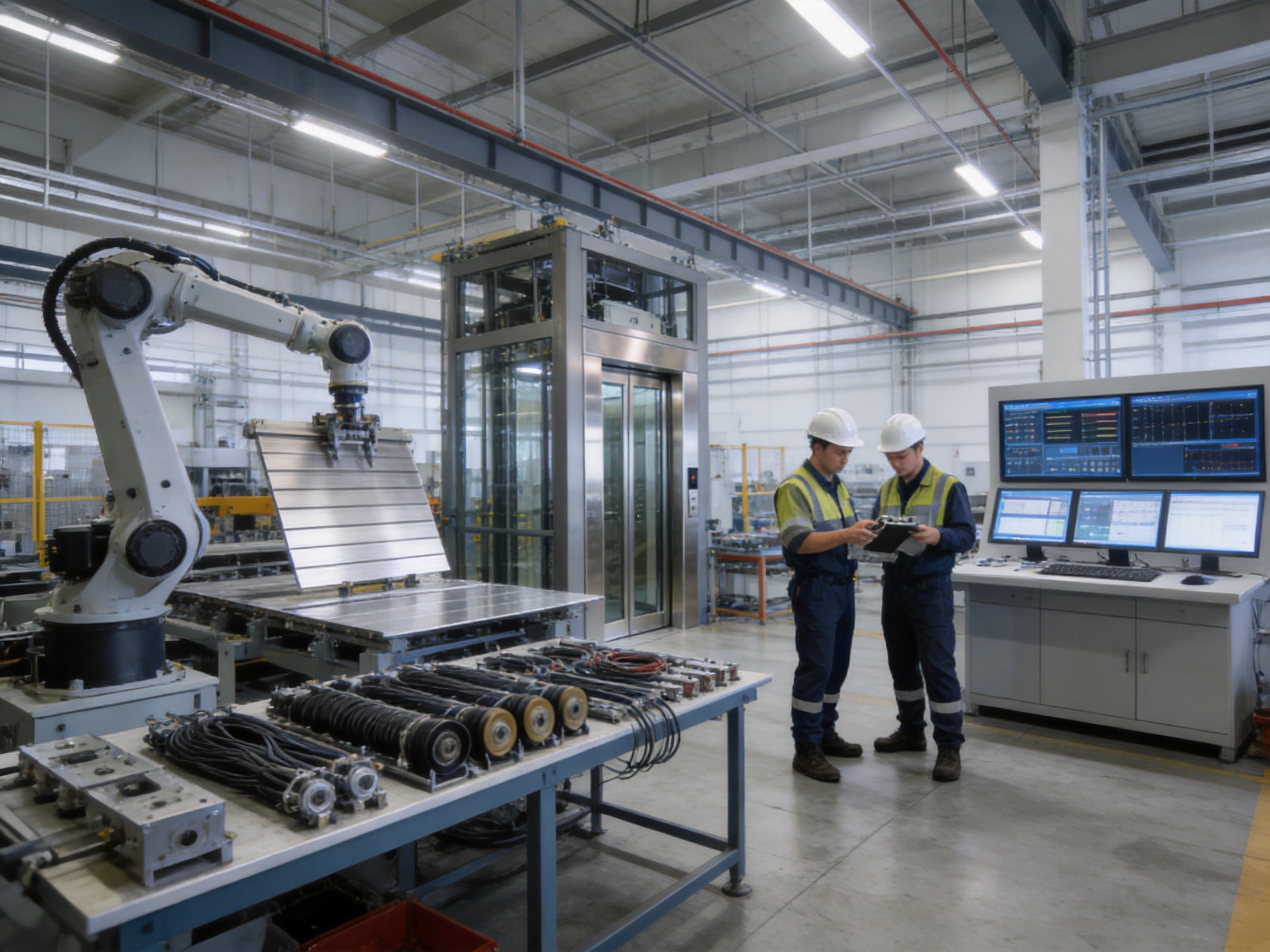
The company was established as a wholly owned investment company aimed at the overseas market. During its initial development, it already had professional elevator and escalator production lines, fully automatic panel production equipment, and a workforce of more than 300 people. This industrial foundation enables the company to handle professional elevator manufacturing rather than relying on small-scale assembly.
The company is connected with DIAO Group production resources, forming production bases with shared manufacturing platforms. DIAO has accumulated more than two decades of experience in elevator and escalator production, technology, and product development. On this foundation, Tenau focuses on better serving overseas customers, especially through product customization, communication support, and export-oriented project solutions.
One of the company’s key strengths is its modern industrial park philosophy. The intelligent production base integrates design aesthetics, efficient operation, and green environment. This approach reflects the belief that manufacturing quality is not only about machines, but also about workflow, environment, management, and quality culture.
The industry 4.0 production system uses advanced automatic production equipment together with big data and Internet of Things concepts. Through intelligent processing, intelligent production, intelligent detection, and intelligent monitoring of industrial procedures, the company strengthens consistency and traceability. For elevator buyers, this matters because every component must work safely and reliably as part of a complete system.
Strict quality control is another manufacturing advantage. The company observes a serious industrial attitude and builds a rigorous detection system for the whole production process. This whole-process detection helps reduce defects, improve product reliability, and support the strategic objective of high standard, high precision, and zero defect.
10. Intelligent Production and Quality Control
Modern elevator manufacturing requires precision. Components such as car panels, doors, control cabinets, traction systems, and safety devices must meet dimensional and functional requirements. A small inconsistency can affect ride comfort, installation efficiency, noise performance, or long-term reliability. Therefore, intelligent manufacturing is a meaningful advantage.
Fully automatic panel production equipment helps improve panel accuracy and surface consistency. For home elevators, this is especially important because users view and touch the cabin every day. A private residential elevator should not only function well; it should also look refined. Consistent panel processing supports better cabin appearance and installation quality.
Intelligent processing helps reduce dependence on manual variation. Intelligent detection allows problems to be identified earlier in the production process. Intelligent monitoring supports better management of production procedures. When combined with a rigorous quality inspection mindset, these technologies help create a more reliable product for international customers.
The company’s “quality as life” philosophy is highly relevant to elevator manufacturing. Elevators are safety-related products. A manufacturer cannot treat quality as a marketing slogan only; it must be built into design, material selection, processing, inspection, assembly, testing, documentation, and after-sales response. The company’s stated working style of honesty, practicality, perseverance, teamwork, and achievement supports this quality culture.
For overseas buyers, manufacturing strength also includes communication and service ability. The company can provide multilingual service, including English, Russian, Spanish, and Arabic. This is an advantage for international projects because elevator orders involve technical drawings, standards, shipping coordination, installation requirements, and after-sales support. Clear communication reduces misunderstanding and improves project efficiency.
11. Service System Supported by Internet of Things Technology
A home elevator is a long-term investment. Buyers need not only good equipment but also dependable service. The product materials emphasize star-level service and full-course tracking. Tenau Elevator cares about customer needs throughout the year and provides a service philosophy that treats good service and good elevator quality as inseparable.
The optional Internet of Things service is an important development direction. By using IoT technology, the company has researched and developed an elevator running condition online monitoring and trouble classification graded long-distance warning system. This system can create a link between elevator running condition testing, warning, and emergency repair.
For homeowners, the value of this system is quicker awareness of elevator conditions. Instead of waiting until a user reports a problem, monitoring can help identify abnormal conditions earlier. For service teams, classified warning can support more efficient response and better preparation before maintenance. For property owners, this means greater peace of mind.
The IoT-based monitoring and repair ecology network reflects the future of elevator service. As elevators become more intelligent, maintenance can shift from purely reactive repair toward more proactive management. While the optional service may require extra charge, it can be valuable for customers who want higher service responsiveness and modern equipment management.
The company also emphasizes one-to-one full-course tracking service. This means customer requirements are treated as important from inquiry to delivery and beyond. For overseas clients, this approach is useful because elevator projects require coordination across time zones, languages, standards, and installation conditions.
12. Customization for Different Residential Needs
Every home has its own structure, decoration style, and user profile. Some families need a compact lift for basic mobility. Others want an elegant cabin that matches luxury interiors. Some require accessibility functions for people with disabilities. A strong home elevator solution must offer customization rather than a single rigid configuration.
This home elevator supports rich and colorful car combinations, enabling customers to select interior styles that fit their building aesthetics. Cabin materials, lighting atmosphere, handrails, operating panels, and entrance designs can influence the final experience. The ability to align these elements with the home interior is a competitive advantage over generic residential lifting platforms.
Accessibility options are another important customization area. Braille buttons, voice announcement, handicapped door open protection, and related functions can help create a more inclusive residence. In some homes, these are not optional luxuries but essential requirements for independent living.
The company’s export-oriented philosophy also supports customization at a broader project level. The markets, applications, and customers are different, but the company states that it provides customized solutions whether for a single product or complete sets of equipment. This is significant for contractors, developers, and distributors who may need technical adaptation for local installation environments.
13. Residential Health and Environmental Considerations
Health and environmental awareness are now important parts of home equipment selection. Families want products that are safe, clean, efficient, and compatible with daily living. This elevator’s “electric home appliance style” energy-saving idea suggests that the product is intended to behave like a refined household system rather than a heavy industrial machine.
The radiation-free integrated control cabinet is designed to shield electromagnetic radiation. The product materials state that electromagnetic radiation produced by elevator operation does not affect family health and does not influence the normal use of mobile phones or household appliances. This focus helps address concerns about installing mechanical and electrical equipment inside a private residence.
The maintenance-free environmental protection drive concept also supports a cleaner residential environment. Homeowners generally prefer equipment that does not require frequent intrusive maintenance and does not create unnecessary pollution. A well-designed drive system can reduce maintenance inconvenience and support long-term reliability.
Low-noise operation is also a health-related feature. Excessive mechanical noise can disturb sleep, increase stress, and reduce living comfort. By keeping operational noise below 43 dB, the elevator is better suited for bedrooms, study areas, and family spaces near the shaft.
14. Practical Value for Elderly-Friendly Homes
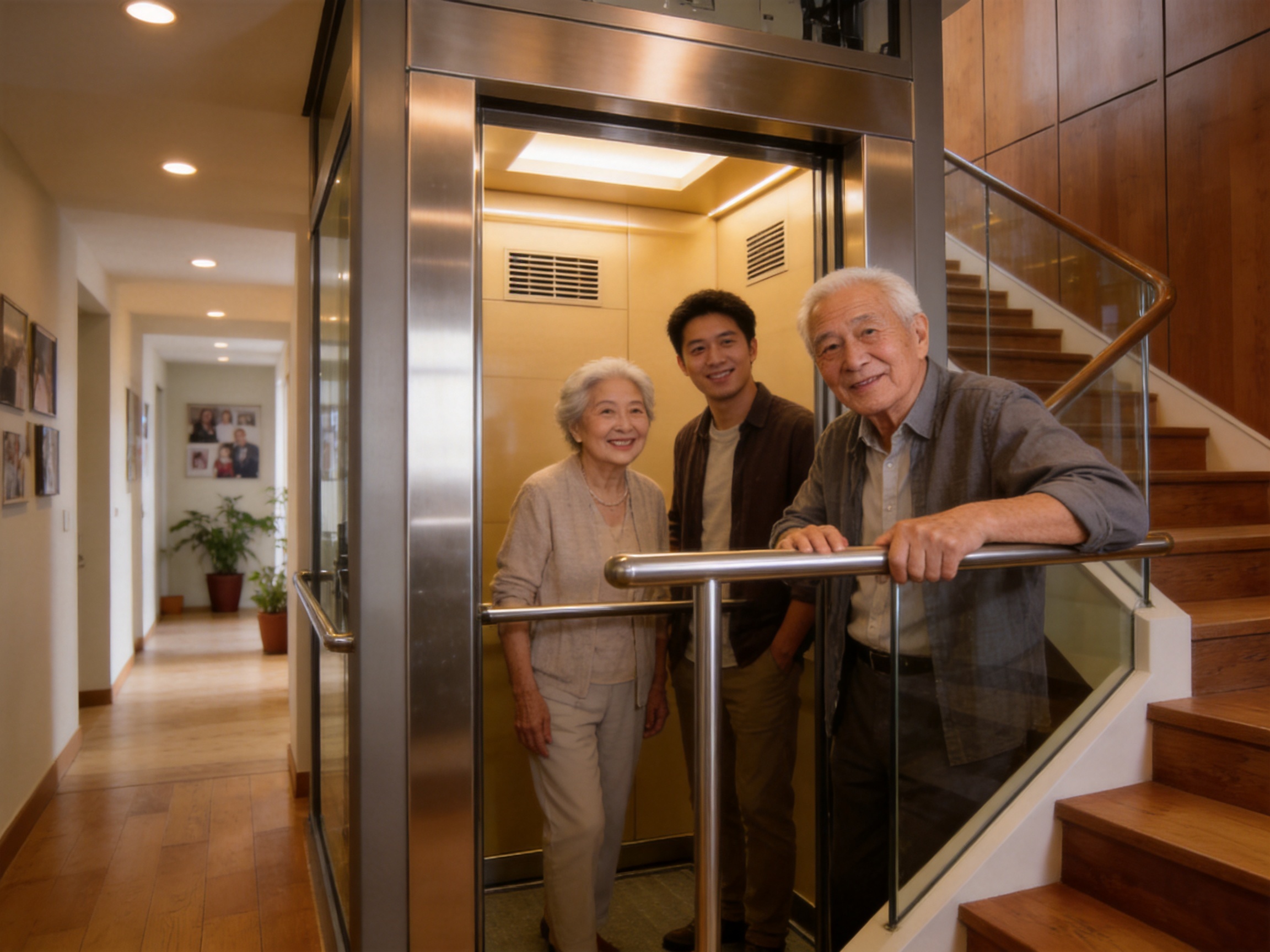
One of the strongest reasons to install a home elevator is aging-friendly living. Stairs can become difficult or risky as people age. Even healthy older adults may experience knee pain, reduced balance, or fatigue. A private elevator helps them move between floors with dignity and independence.
This product’s smooth running system is specially designed for elderly users. The comfortable speed curve and soft start-stop operation reduce sudden physical impact. This is important because elderly passengers may feel insecure if the elevator shakes or stops abruptly. A calm ride improves trust in the equipment.
Emergency features also matter more in elderly-friendly homes. The trouble self-rescue system, power-failure self-rescue system, and emergency calling system help ensure that users are not left helpless during abnormal conditions. The ability to reach a safe floor or communicate with outside support is a major advantage.
Information functions such as floor display, running direction display, arrival indication, overload warning, and fault warning also support elderly users. Clear information reduces confusion and helps passengers understand what is happening. Optional voice announcement can further improve usability.
For families planning long-term residence, installing an elevator before mobility becomes a serious problem can be wise. It allows the home to remain suitable for different life stages and reduces future renovation pressure.
15. How the Product Supports Installers, Distributors, and Project Buyers
Although the elevator is designed for home users, its advantages also matter to installers, distributors, and project buyers. A compact machine-room-less design can simplify project planning. Flexible application reduces conflicts with building design. Strong manufacturing capacity improves supply confidence. Multilingual service supports international business communication.
For distributors, a product with clear advantages is easier to present to customers. Key selling points include space saving, quiet operation, smooth ride, safety protection, emergency rescue, flexible cabin design, and optional IoT monitoring. These benefits address real homeowner concerns rather than relying only on price competition.
For installers, quality manufacturing and accurate components can improve installation efficiency. When panels, doors, and mechanical parts are produced with precision and inspected carefully, installation problems may be reduced. A stable control system and clear technical support also help commissioning.
For project buyers, the company’s experience with customers from nearly 60 countries is valuable. International elevator projects often require adaptation to different building conditions, communication styles, and documentation expectations. A manufacturer familiar with overseas markets can provide more practical support.
16. Competitive Position in the Home Elevator Market
The home elevator market includes many types of products: hydraulic lifts, screw-driven lifts, platform lifts, small traction elevators, and custom luxury elevators. Each has its place, but the machine-room-less home elevator offers a strong balance of comfort, safety, efficiency, and design integration.
Compared with simple platform lifts, it offers a more complete elevator experience, including cabin comfort, information functions, door safety, and advanced control. Compared with traditional machine-room elevators, it saves space and supports more flexible architecture. Compared with older hydraulic systems, it emphasizes cleaner drive technology, energy-saving thinking, and reduced environmental maintenance concerns.
Its strongest competitive value is the combination of family-oriented design and industrial manufacturing strength. Some home lifts may be compact but lack advanced safety functions. Some commercial-style elevators may be robust but too noisy or space-consuming for homes. This product aims to combine compact design, quiet ride, smooth operation, and safety protection in a residentially appropriate package.
The manufacturer’s strength further improves competitiveness. Advanced production lines, intelligent manufacturing, rigorous inspection, export experience, and customized service help distinguish the product from low-end suppliers that may lack deep production control or international support capacity.
17. Recommended Buyer Considerations
When selecting a home elevator, buyers should consider more than initial purchase price. Important questions include: Does the elevator require a machine room? How much space does it need? Is it quiet enough for bedrooms and living areas? How smooth is the ride? What happens during power failure? Are emergency communication functions available? Can the cabin design match the interior? Does the manufacturer have real production and service capabilities?
This product provides strong answers in these areas. Its machine-room-less design reduces space requirements. Its noise-reduction technologies keep operation quiet. Its smooth running curve supports elderly users. Its safety functions provide layered protection. Its flexible car combinations support interior design. Its manufacturer offers intelligent production, quality control, and overseas service experience.
Buyers should also discuss local code requirements, shaft dimensions, load capacity, travel height, door type, cabin decoration, power conditions, installation environment, and maintenance planning with the supplier. Because home elevator projects are highly site-specific, early communication helps ensure the selected configuration is suitable.
18. Q&A Section
Q1: What is the main advantage of a machine-room-less home elevator?
The main advantage is space saving. Because it does not require a separate machine room, it can reduce construction complexity and fit more flexibly into private residences. This makes it suitable for modern homes where space, appearance, and efficient planning are important.
Q2: Is this elevator suitable for elderly users?
Yes. The elevator is designed with a smooth running system, comfortable speed curve, and soft start-stop performance. These features reduce sudden movement and make the ride more comfortable for elderly passengers. Safety functions such as emergency rescue and power-failure leveling also provide additional confidence.
Q3: How quiet is the elevator during operation?
The elevator uses low-noise traction machine design, car wall noise-reduction technologies, and running system noise-reduction design. Its operational noise can be less than 43 dB, making it suitable for residential environments where quietness is important.
Q4: What happens if there is a power failure?
The power-failure self-rescue system can automatically start a prepared power source and enable safe leveling, allowing passengers to leave the elevator safely. This is an important function for private homes because users may include elderly people or children.
Q5: Does the elevator include emergency communication?
Yes. The emergency calling system can activate the elevator-operated calling button and connect with an outside telephone, allowing passengers to seek support through voice messages during an emergency.
Q6: Can the elevator cabin be customized?
Yes. The elevator supports flexible application and rich cabin combinations. This allows the design to match different residential interiors and personal preferences. Optional accessibility functions may also be selected according to user needs.
Q7: How does the control system improve safety and comfort?
The integrated control cabinet combines industrial control technology with communication technology. The steel plate enclosed design helps shield radiation, while the WVF variable frequency control door machine system allows the door running curve to be adjusted for safer and more stable door operation.
Q8: What manufacturing strengths support the product’s quality?
Tenau Elevator (China) Co., Ltd. has professional elevator and escalator production lines, automatic panel production equipment, intelligent manufacturing systems, whole-process detection, and experience serving overseas customers. Its industry 4.0 production approach supports intelligent processing, production, detection, and monitoring.
Q9: Is IoT monitoring available?
Yes, an optional Internet of Things service is available. It can monitor elevator running conditions online and provide classified long-distance warnings for faults, supporting faster and more effective maintenance response. Extra charges may apply depending on the selected configuration.
Q10: Why choose this product over a basic residential lift?
This elevator provides a more complete solution, including machine-room-less space saving, quiet operation, smooth ride comfort, layered safety protection, emergency rescue systems, flexible cabin design, and support from an experienced manufacturer. It is designed as a long-term family mobility system rather than a simple lifting device.
19. Conclusion
A modern home elevator should be compact, safe, quiet, comfortable, attractive, and dependable. This machine-room-less home elevator meets these expectations through intensive design, energy-saving thinking, low-noise technology, smooth ride control, radiation-free integrated control, and comprehensive safety functions. It is especially suitable for families seeking elderly-friendly living, improved accessibility, and a refined residential experience.
Its advantages over conventional solutions are clear. It saves space compared with machine-room elevators, offers a cleaner and more efficient concept compared with many older systems, provides stronger safety protection than basic residential lifts, and delivers quieter operation for daily family life. Optional IoT monitoring and full-course service further strengthen its long-term value.
Behind the product is a manufacturer with professional production lines, intelligent industry 4.0 manufacturing concepts, automatic equipment, rigorous inspection, overseas market experience, and multilingual service capability. These strengths help ensure that the elevator is not only well designed but also reliably produced and supported.
For homeowners, architects, distributors, and project buyers looking for a residential elevator that balances space efficiency, comfort, safety, customization, and manufacturing reliability, this machine-room-less home elevator is a strong solution for modern living.
References
Tenau Elevator (China) Co., Ltd. Product Materials: Machine Room Less Home Elevator Technical and Functional Description.
Tenau Elevator (China) Co., Ltd. Company Profile and Manufacturing Capability Introduction.
Elevator World. Residential Elevator Design, Safety, and Maintenance Principles.
International Organization for Standardization. Elevator Safety and Performance Management Guidance.
National Elevator Industry Educational Program. Fundamentals of Elevator Systems and Passenger Safety.

Related Products
Related News
Built on safety, forging trust in vertical mobility.
lf you have any questions or need help, feel free to contact with our team.
 export@tenau.com.cn
 +86-18601458867
 +86-512-65059883
Elevator & Escalator
Factory Add
East of Xicheng Road, North of Lianyi Road, Nanxun Economic Development Zone, Nanxun District, Huzhou City, Zhejiang Province, P.R.China
Copyright © Tenau Elevator (China) Co., Ltd. All Rightd Reserved.
Custom High Quality Elevator Suppliers and World Brand Elevator Company