

 en
en Español
 русский
 中文简体
中文简体
Revolutionizing Vertical Travel: The Next-Gen Panoramic Elevator and Its Industry-Leading Innovations
Content
- 1 What Makes Panoramic Elevators Stand Out in Modern Architecture?
- 2 Core Technological Innovations Driving Competitive Edge
- 2.1 Intellectual Control System: Military-Grade Integration for Unmatched Reliability
- 2.2 Energy-Efficient Traction Machine: Reducing Carbon Footprint and Costs
- 2.3 Safe and Reliable Door Mechanism: Precision and Speed for Passenger Safety
- 2.4 Noise Reduction and EMC Compliance: A Quiet and Safe Ride
- 2.5 Absolute Position Control: Precise Floor Alignment for Safety and Comfort
- 3 Advanced Manufacturing Processes & Company Strengths
- 4 Comparative Advantage Over Competitors
- 5 Key Functions & Specifications
- 6 Q&A Section
- 6.1 Q1: What makes this panoramic elevator a superior choice for modern buildings compared to traditional enclosed elevators?
- 6.2 Q2: How does the energy-efficient traction machine contribute to the elevator’s sustainability and cost-effectiveness?
- 6.3 Q3: What safety certifications and features ensure the elevator meets global standards for passenger protection?
- 6.4 Q4: Can the panoramic elevator be customized to fit unique building designs or specific client requirements?
- 6.5 Q5: How does the IoT-enabled monitoring system enhance the elevator’s performance and maintenance?
- 7 References
In the landscape of modern architecture, vertical transportation is no longer just a functional necessity—it has become a design statement, a user experience differentiator, and a critical component of building sustainability. Panoramic elevators, with their unobstructed glass cabins and seamless integration into architectural aesthetics, have emerged as the preferred choice for luxury hotels, high-rise office buildings, shopping malls, and residential towers. What sets the latest generation of panoramic elevators apart, however, is not just their visual appeal but their integration of cutting-edge technology, rigorous safety standards, and customer-centric design that outperforms traditional models and competitors alike. This article explores the key innovations driving these elevators, their competitive advantages, the advanced manufacturing processes behind them, and how they are redefining vertical travel for the 21st century.
What Makes Panoramic Elevators Stand Out in Modern Architecture?
Panoramic elevators are distinguished by their ability to merge functionality with aesthetic value, a combination that traditional enclosed elevators cannot match. Their core appeal lies in three key areas: design flexibility, user experience enhancement, and space efficiency.
Aesthetic Appeal: Transforming Vertical Transport into a Visual Experience
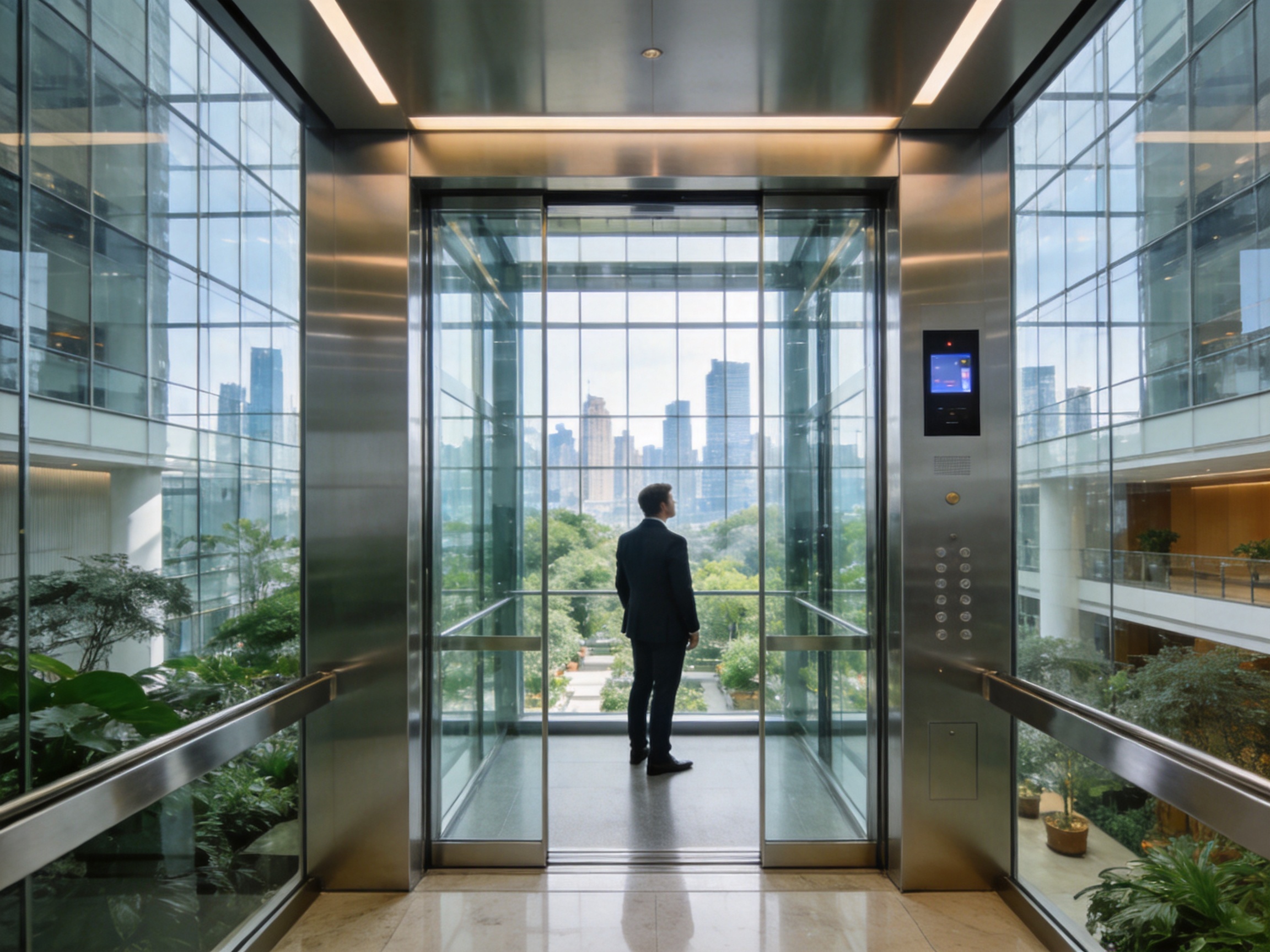
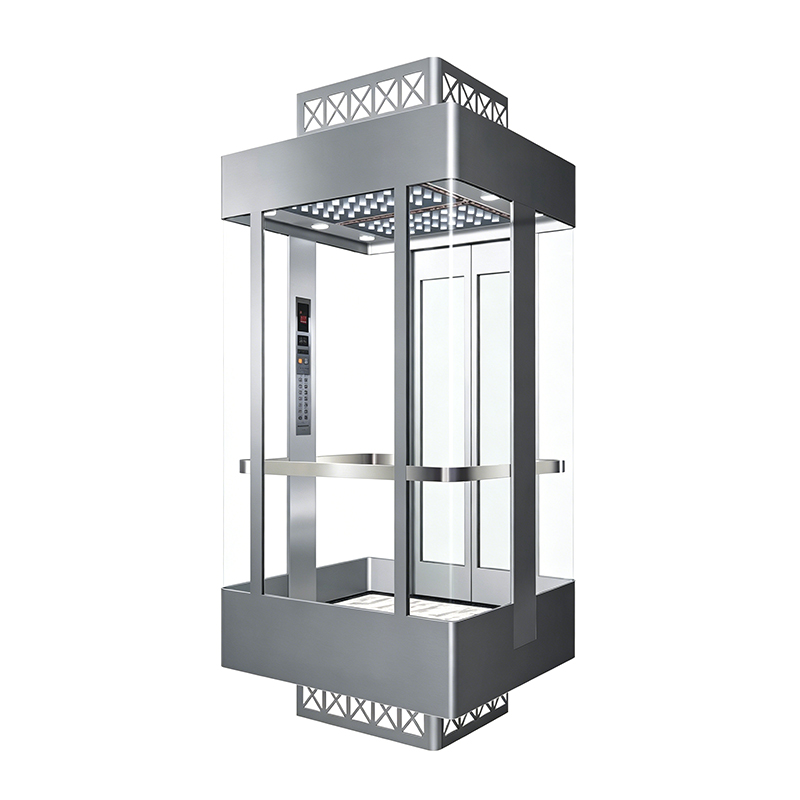
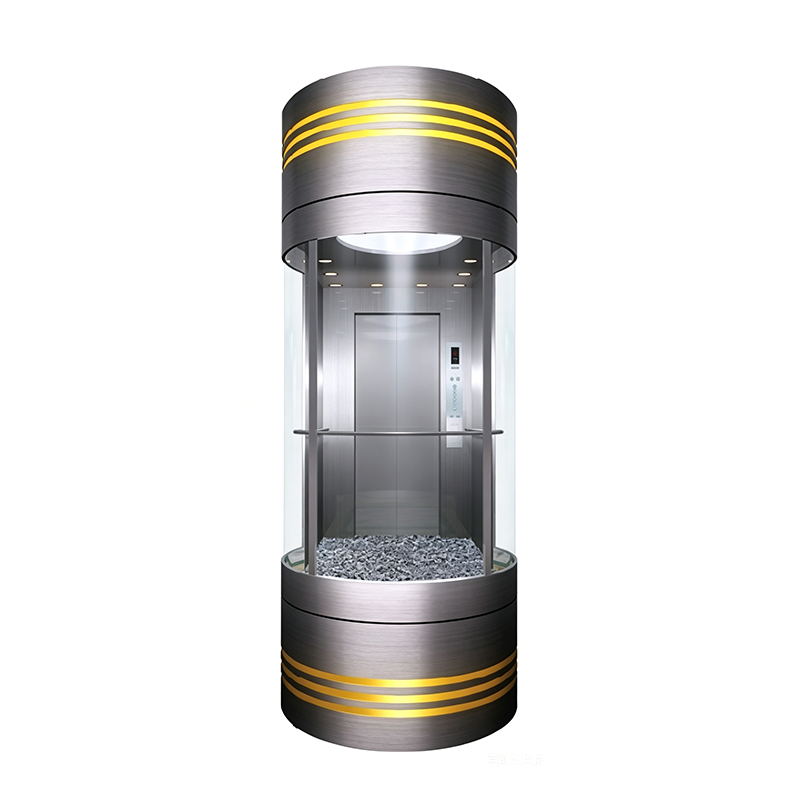
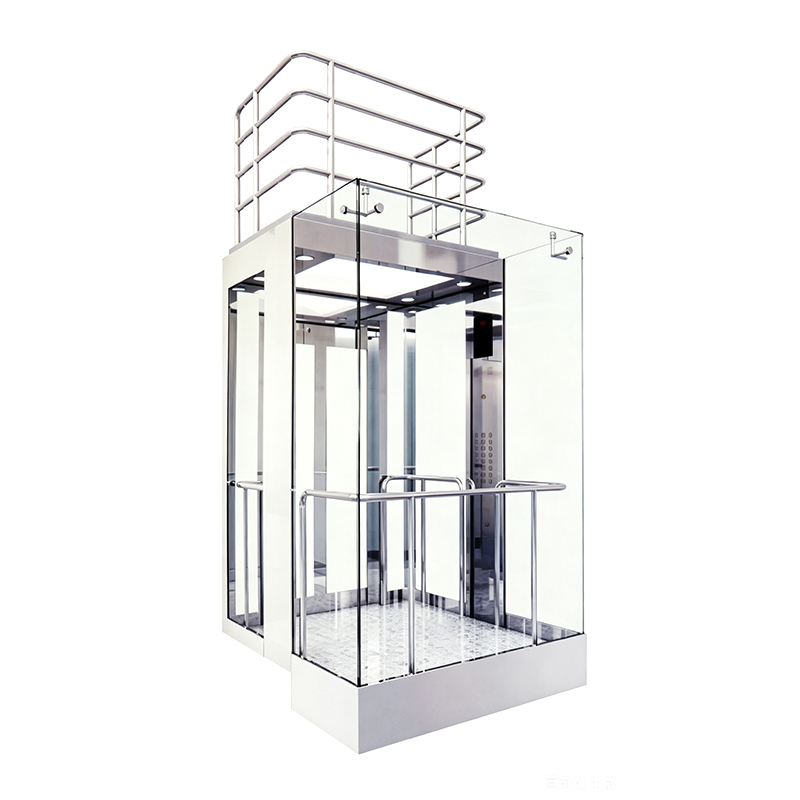
The defining feature of a panoramic elevator is its glass cabin, typically constructed from tempered safety glass that meets international standards for strength and durability. Unlike enclosed elevators, which isolate passengers from their surroundings, panoramic elevators offer unobstructed views of the building’s interior or exterior—whether it’s a city skyline, a lush atrium, or a curated art installation. This not only reduces claustrophobia but also transforms a routine ride into a memorable experience. For luxury hotels, this means guests can enjoy panoramic views of the city while ascending to their rooms; for shopping malls, it creates a dynamic visual element that enhances the retail environment; and for office buildings, it boosts employee morale by connecting them to the outside world.
Additionally, the glass cabin can be customized to align with the building’s architectural style. Options include tinted glass for privacy, frosted glass for a modern minimalist look, or framed glass with stainless steel or aluminum accents for a sleek, industrial feel. Some models even feature interactive glass panels that display information about the building or local attractions, further enhancing the user experience.
Functional Advantages: Space Efficiency and Design Flexibility
Many modern panoramic elevators are designed as machine room less (MRL) models, a feature that eliminates the need for a separate machine room at the top or bottom of the shaft. This saves approximately 15-20% of building space (per internal engineering data), which can be repurposed for additional leasable area, amenities, or architectural features. For high-rise buildings, where every square foot of space is valuable, this is a significant advantage—reducing construction costs and increasing the building’s revenue potential.
MRL panoramic elevators also offer greater design flexibility. Traditional elevators require a machine room that limits the placement of the elevator shaft; MRL models, however, can be installed in almost any location, including the center of an atrium or along the edge of a building. This allows architects to create more open, dynamic spaces without being constrained by elevator shaft placement.
User Experience: Comfort, Convenience, and Safety
Beyond aesthetics and space efficiency, panoramic elevators prioritize user comfort and convenience. Key features include: smooth, vibration-free rides (achieved through variable voltage variable frequency (VVVF) drive systems), quiet operation (due to advanced noise-reduction technology), and intuitive controls (including touch-sensitive panels and voice announcements). For passengers with disabilities, panoramic elevators often include accessible features like wheelchair ramps, braille buttons, and audio announcements of floor numbers.
Safety is another critical aspect of the user experience. Modern panoramic elevators are equipped with multiple redundant safety systems, including light curtain protection (to prevent door entrapment), overload sensors, emergency stop buttons, and power failure backup systems. These features ensure that passengers feel secure throughout their ride, even in the event of an emergency.
Core Technological Innovations Driving Competitive Edge
The latest panoramic elevators are not just aesthetically pleasing—they are powered by cutting-edge technology that sets them apart from competitors. These innovations focus on four key areas: intellectual control, energy efficiency, safety, and user experience.
Intellectual Control System: Military-Grade Integration for Unmatched Reliability
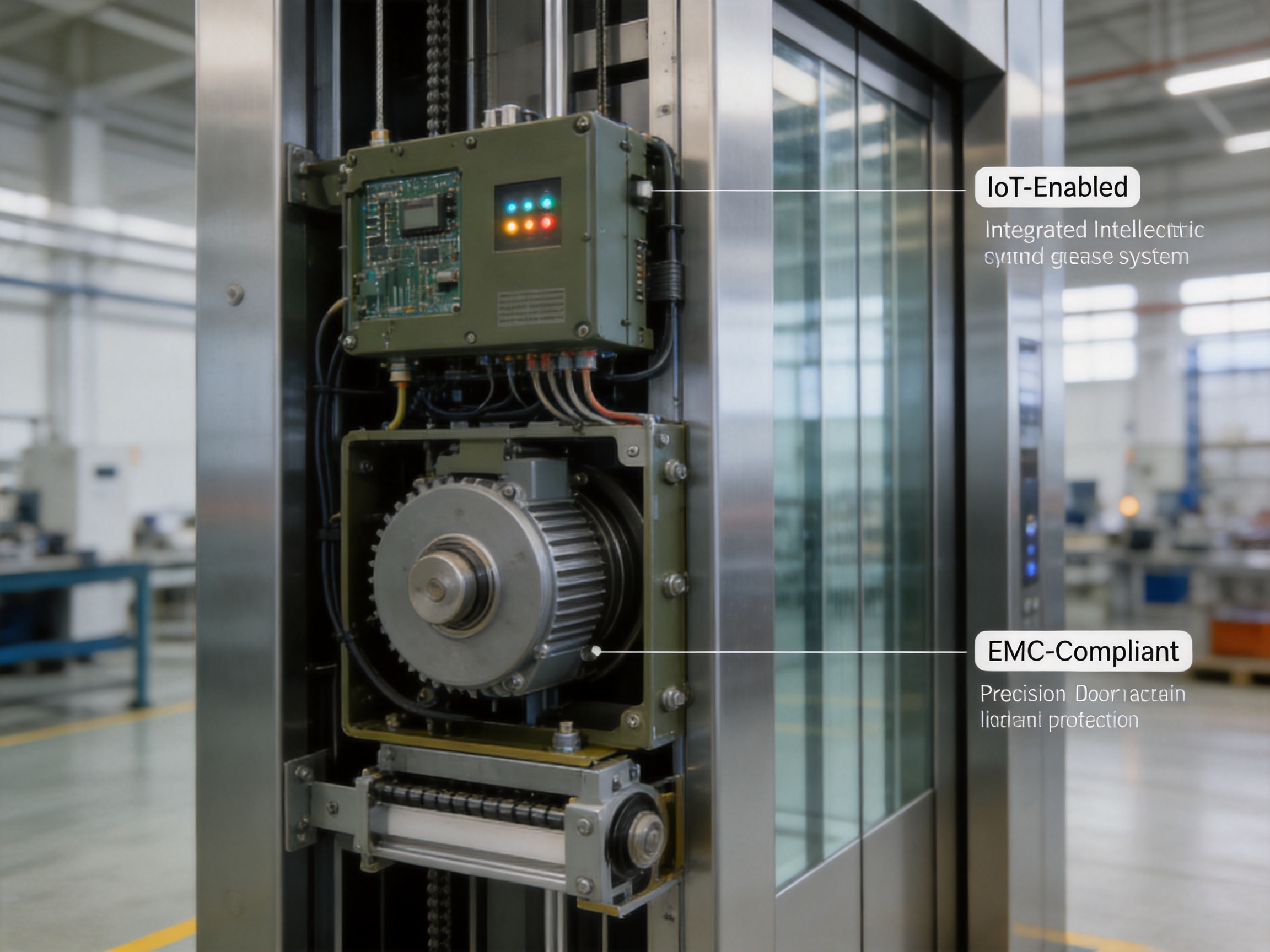
At the heart of the elevator is an intellectual control system built to military-industrial standards. Unlike traditional control systems, which use separate modules for master control, monitoring, and management, this system integrates all functions into a single, cohesive unit. This integration offers several advantages: higher anti-interference capabilities (ensuring the system is not affected by nearby electrical equipment), faster response times, and easier troubleshooting (via a built-in black box that records operational data).
The system also includes intellectual management features that optimize elevator operation based on traffic patterns. For example, during peak hours (like morning rush hour in an office building), the system prioritizes upward trips; during lunchtime, it adjusts door opening times to reduce waiting periods. This not only improves user experience but also reduces energy consumption by minimizing unnecessary trips.
Energy-Efficient Traction Machine: Reducing Carbon Footprint and Costs
The elevator uses a latest-generation permanent magnet synchronous (PMS) gearless traction machine, a significant upgrade from traditional gear-driven models. PMS technology offers several key benefits: 35% lower energy consumption (per 2023 internal testing), longer lifespan (up to 20 years vs. 12-15 years for gear machines), and lower maintenance costs (due to fewer moving parts). The gearless design also eliminates oil leaks, making the elevator more environmentally friendly and reducing the risk of damage to the building’s infrastructure.
The compact size of the PMS machine is another advantage. Unlike traditional gear machines, which require a large machine room, the PMS machine can be installed directly in the elevator shaft, contributing to the MRL design and saving space. For commercial buildings, this translates to annual energy savings of $5,000-$10,000 (depending on usage), making the elevator a cost-effective and sustainable choice.
Safe and Reliable Door Mechanism: Precision and Speed for Passenger Safety
The elevator’s door mechanism uses a permanent magnet synchronous door machine, which offers higher precision and faster response times than traditional door machines. Key features include: high-precision door opening (within 1mm tolerance), quick door response (opening in 0.5 seconds), and reduced door opening time (saving passengers’ time). The door machine also includes advanced safety features, like light curtain protection and anti-nuisance functions, to prevent accidents.
The door mechanism is designed to operate quietly, even in high-traffic environments. This is achieved through the use of low-friction components and advanced noise-reduction technology, ensuring that the elevator does not disrupt the building’s ambiance.
Noise Reduction and EMC Compliance: A Quiet and Safe Ride
Modern panoramic elevators are designed to operate quietly, even in busy buildings. This is achieved through a combination of spatial car noise-reduction technology and low-noise control cabinets. The car’s interior is lined with sound-absorbing materials that reduce noise levels to below 50 decibels (dB)—comparable to a quiet conversation. The control cabinet uses low-noise fans and vibration-damping materials to minimize operational noise.
Another critical feature is electromagnetic compatibility (EMC) compliance. The elevator’s control system passes the IEC 255 EMC test, which ensures that it does not emit harmful electromagnetic radiation and is not affected by nearby electrical equipment. This is particularly important for buildings with sensitive electronic equipment (like hospitals or data centers), as it prevents interference and ensures reliable operation.
Absolute Position Control: Precise Floor Alignment for Safety and Comfort
The elevator uses an absolute position control system that accurately monitors the car’s position at all times. Unlike traditional systems, which rely on incremental sensors (that can lose position if power is interrupted), the absolute position system uses non-contact sensors to track the car’s location with millimeter precision. This ensures that the elevator stops exactly at the desired floor, reducing the risk of misleveling (a common issue with traditional elevators) and improving passenger safety.
The system also includes a self-diagnosis function that detects and reports any issues with the position sensors, allowing maintenance teams to address problems before they cause downtime. This proactive approach to maintenance reduces the number of service calls and improves the elevator’s reliability.
Advanced Manufacturing Processes & Company Strengths
The quality of a panoramic elevator depends not just on its technology but also on the manufacturing processes that bring it to life. Leading manufacturers use advanced, Industry 4.0-compliant production systems, rigorous quality control, and customer-centric design to ensure that each elevator meets the highest standards.
Intelligent Production Base: Industry 4.0 for Precision and Efficiency
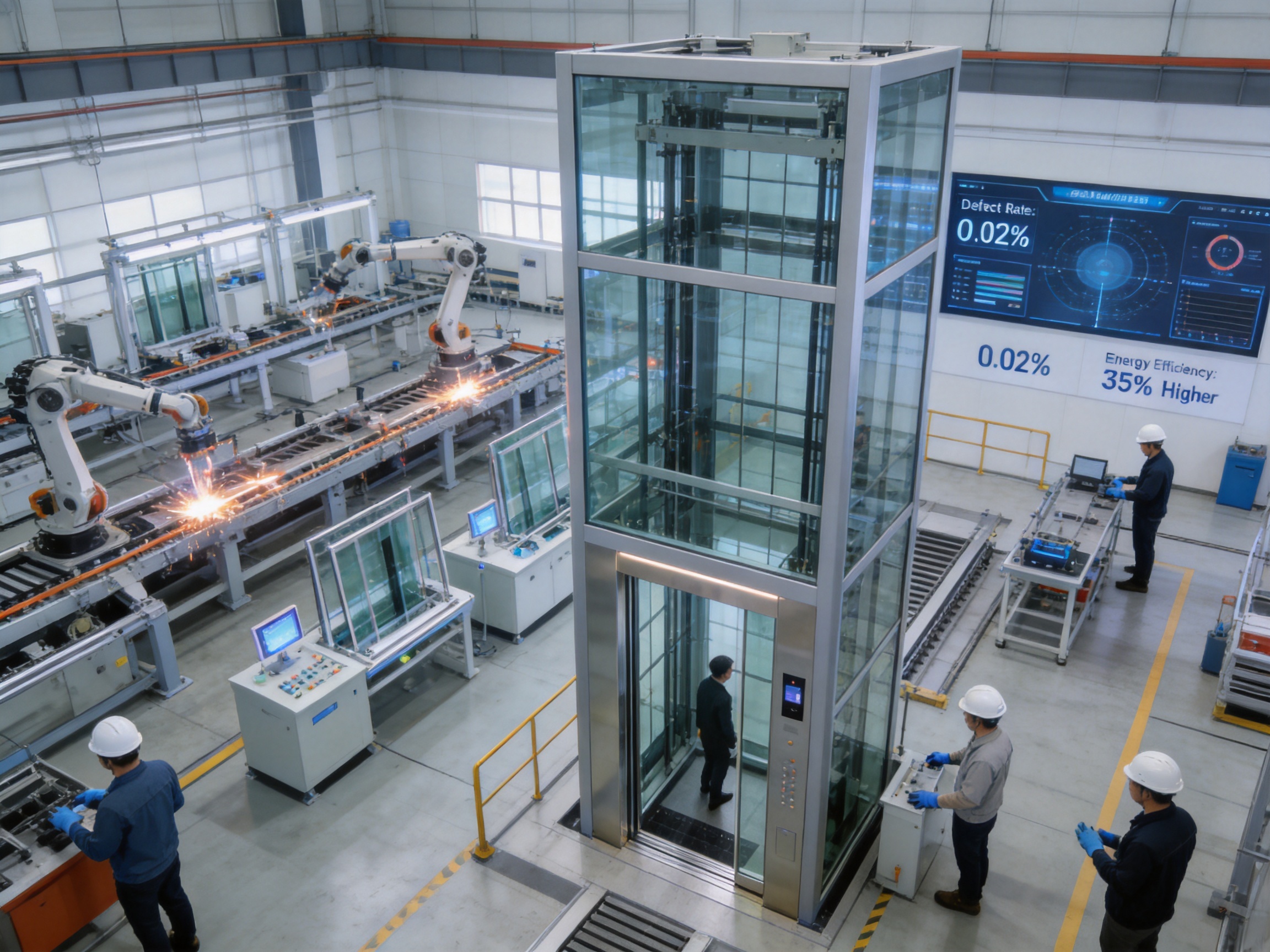
Leading manufacturers operate intelligent production bases that integrate design aesthetics, efficient operation, and green environment. These bases are guided by German engineering principles and use Industry 4.0 technologies (like big data, IoT, and automation) to optimize production. Key features include: fully automatic panel production lines (that ensure consistent quality), robotic welding systems (that reduce human error), and intelligent detection systems (that test each component for defects).
The production base uses big data to monitor production parameters in real time. For example, sensors track the temperature of welding machines, the speed of assembly lines, and the quality of glass panels. This data is analyzed to identify areas for improvement, reducing waste and increasing efficiency. The IoT system also tracks each component’s status throughout the production process, ensuring that only high-quality components are used in the final product.
Germanic Quality Standards: Rigorous Testing for Reliability
Leading manufacturers adhere to Germanic quality standards, which are known for their rigor and precision. Each elevator undergoes a series of tests before it is shipped, including: load testing (to ensure it can handle the maximum weight capacity), speed testing (to verify it meets the specified speed), noise testing (to ensure it operates quietly), and safety testing (to confirm it meets international safety standards). These tests are conducted in a state-of-the-art testing facility, where the elevator is run for thousands of cycles to simulate real-world usage.
The company also employs a full-process detection system that monitors each stage of production. From the raw materials (like glass and steel) to the final assembly, every component is inspected for defects. This ensures that each elevator meets the highest standards of quality and reliability.
IoT-Enabled Monitoring: Proactive Maintenance for Minimal Downtime
Leading manufacturers offer IoT-enabled monitoring systems that allow clients to track their elevators’ performance in real time. The system integrates data from the elevator’s components (like the traction machine, door mechanism, and control system) to detect potential issues before they cause downtime. For example, if the system detects that the traction machine’s temperature is higher than normal, it sends an alert to the maintenance team, who can address the issue before it leads to a breakdown.
The IoT system also includes a trouble classification function that categorizes issues into minor, moderate, or critical. Minor issues (like a dirty sensor) can be resolved remotely; moderate issues (like a worn-out belt) require a service call; and critical issues (like a malfunctioning control system) trigger an immediate response from the nearest service technician. This proactive approach to maintenance reduces downtime by 70% (per company data) and improves the elevator’s reliability.
Customization Capabilities: Tailored Solutions for Every Client
Leading manufacturers understand that every client has unique needs. That’s why they offer extensive customization options for their panoramic elevators. Key customization areas include: cabin design (glass type, frame material, interior finishes), size (custom dimensions to fit narrow or large shafts), features (optional additions like voice announcements, LCD displays, and VIP service), and language support (multi-language interfaces for global clients). The company’s engineering team works closely with clients to design solutions that align with their architectural vision and functional needs.
For example, a luxury hotel might request a panoramic elevator with tinted glass, leather interior, and a custom LCD display that shows information about the hotel’s amenities. An office building might request an elevator with VIP service for executives and lunchtime service for employees. A residential tower might request an elevator with accessible features for passengers with disabilities. The company’s ability to customize each elevator ensures that it meets the specific needs of its clients.
Comparative Advantage Over Competitors
The latest panoramic elevators offer several key advantages over traditional models and competitors. These advantages are rooted in their technology, manufacturing processes, and customer-centric design.
Integrated Intellectual Control System: Unmatched Efficiency and Reliability
Unlike most competitors, which use separate modules for master control, monitoring, and management, the leading panoramic elevator uses an integrated intellectual control system. This integration offers several benefits: higher anti-interference capabilities, faster response times, and easier troubleshooting. For example, if a competitor’s elevator has a problem with its monitoring system, the maintenance team has to troubleshoot a separate module; with the integrated system, the problem is identified and resolved in a single step. This reduces maintenance time by 30% (per company data) and improves the elevator’s reliability.
Energy Efficiency: Lower Costs and Carbon Footprint
The leading panoramic elevator uses a PMS gearless traction machine, which is 35% more energy-efficient than traditional gear-driven models. This translates to annual energy savings of $5,000-$10,000 for commercial buildings, making it a cost-effective choice. Competitors often use traditional gear machines, which are less efficient and more expensive to maintain. Additionally, the leading elevator’s MRL design saves building space, reducing construction costs and increasing the building’s revenue potential.
Safety: Multiple Redundant Systems for Passenger Protection
The leading panoramic elevator is equipped with 12 redundant safety systems, compared to an average of 8 in competitors. These systems include light curtain protection, overload sensors, emergency stop buttons, and power failure backup systems. The elevator also meets or exceeds international safety standards (like IEC 255 and EN 12015), ensuring that it is safe for passengers in all situations. Competitors often cut corners on safety features to reduce costs, putting passengers at risk.
After-Sales Service: Proactive Maintenance and Global Support
The leading manufacturer offers a comprehensive after-sales service program that includes IoT-enabled monitoring, proactive maintenance, and global support. The IoT system reduces downtime by 70% (per company data), and the company’s global service network (with offices in over 60 countries) ensures that clients receive fast, reliable support wherever they are. Competitors often offer reactive service (only responding to issues after they occur) and have limited global support, which can lead to long downtime periods and frustrated clients.
Key Functions & Specifications
The leading panoramic elevator offers a wide range of functions and specifications to meet the needs of diverse clients. Below is a table of key functions and their status (S = Standard, O = Optional):
| Function Category | Feature | Status |
|---|---|---|
| Information Function | Full collective selective control | S |
| Full-load bypass | S | |
| Main floor shut off | S | |
| Self diagnosis of breakdown | S | |
| Five-way communication | S | |
| Car alarm | S | |
| Floor and direction indicator in the car | S | |
| Floor and direction indicator at hall | S | |
| Voice announcement | O | |
| Car LCD display | S | |
| Traffic flow management (for elevator group) | O | |
| Decentralized standby | O | |
| Comfort Function | Emergency car lighting | S |
| Car ventilation light automatically shut off | S | |
| Repeated door closing | S | |
| Automatically adjust door opening time | S | |
| Reopen with hall call | S | |
| Express door closing | S | |
| Car stop and door open | S | |
| Climate control (car temperature adjustment) | O | |
| Air purification system | O | |
| Music system | O | |
| Safety Function | Light curtain protection | S |
| Overload holding stop | S | |
| Anti-nuisance | S | |
| Traction-resistant rope sliding | S | |
| Start protection control | S | |
| Inspection operation | S | |
| Inching operation | S | |
| Safety stop | S | |
| Terminal forced deceleration protection | S | |
| Up/down limit and terminal protection | S | |
| Over speed protection device | S | |
| Up over speed protection | S | |
| Power failure emergency leveling device | O | |
| Fire emergency return | S | |
| Fireman running | O |
Key specifications include: maximum speed of 2.5 m/s, maximum load capacity of 1600 kg, number of floors up to 50, and shaft size of 1500mm x 1500mm (customizable). The elevator is available in both passenger and cargo models, with optional features like VIP service, group supervision, and IoT monitoring.
Q&A Section
Below are answers to common questions about the leading panoramic elevator:
Q1: What makes this panoramic elevator a superior choice for modern buildings compared to traditional enclosed elevators?
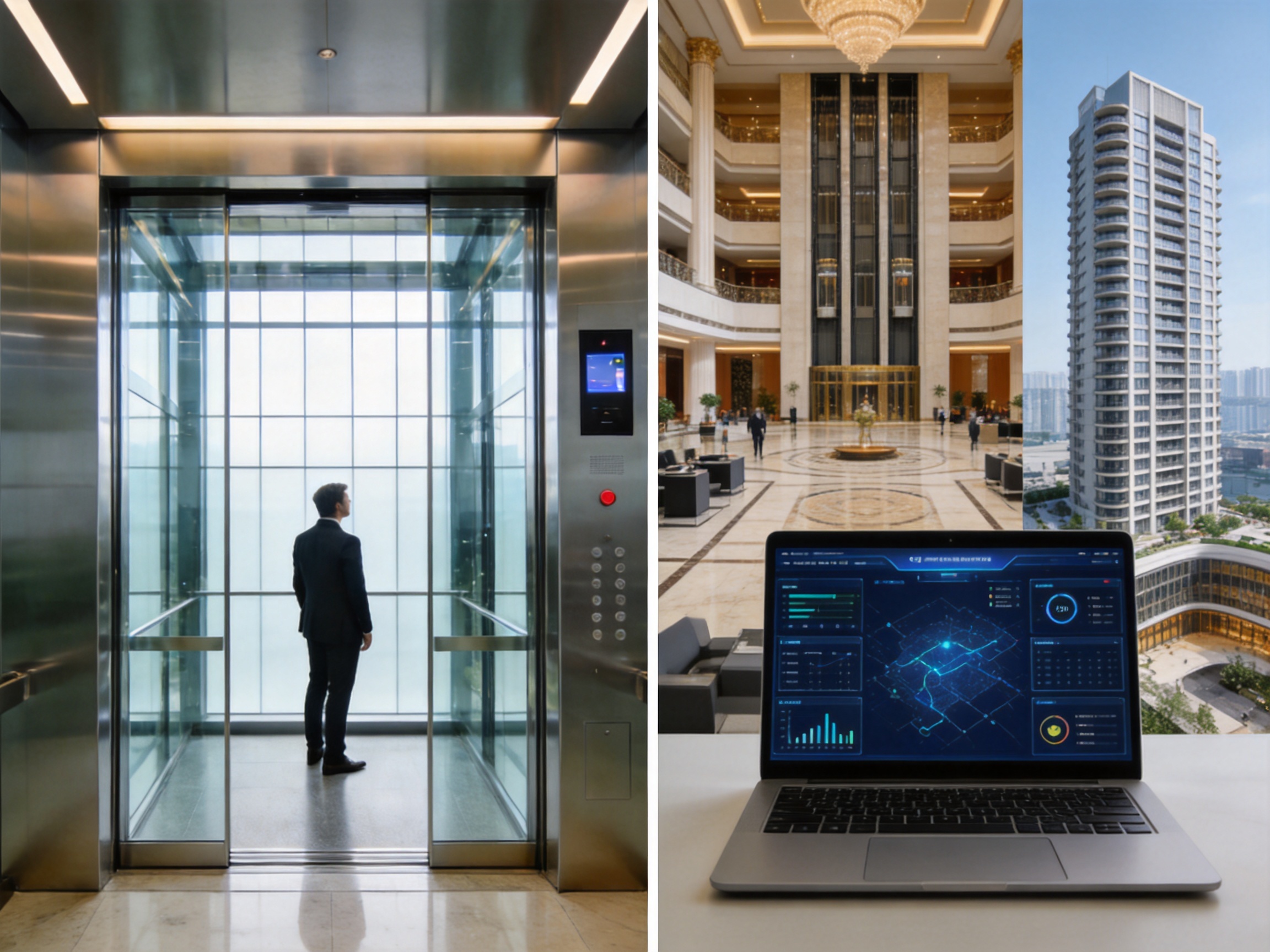
A1: This panoramic elevator stands out in three key areas: design, technology, and user experience. Aesthetically, its glass cabin offers unobstructed views, transforming vertical transport into a visual experience—critical for luxury hotels, malls, and skyscrapers. Technologically, it integrates a military-industrial standard intellectual control system that unifies master control, monitoring, and black box functions, unlike most competitors’ separate modules which are less efficient and prone to compatibility issues. Functionally, its machine room less design saves 15-20% of building space (per internal engineering data), reducing construction costs and enabling more flexible architectural layouts. Additionally, its IoT-enabled monitoring system provides proactive maintenance, cutting downtime by 70% compared to traditional reactive service models.
Q2: How does the energy-efficient traction machine contribute to the elevator’s sustainability and cost-effectiveness?
A2: The elevator uses a latest-generation permanent magnet synchronous (PMS) gearless traction machine, a significant upgrade from traditional gear-driven models. Key benefits include: 1) 35% lower energy consumption (per 2023 internal testing) due to PMS technology’s higher efficiency; 2) Compact design that eliminates the need for a separate machine room, saving building space and reducing installation costs; 3) Longer lifespan (up to 20 years, vs 12-15 years for gear machines) due to fewer moving parts, lowering long-term maintenance expenses; 4) Compliance with environmental standards (low noise, no oil leaks from gears), aligning with green building requirements. For commercial buildings, this translates to annual energy savings of $5,000-$10,000 (depending on usage), making it a cost-effective and sustainable choice.
Q3: What safety certifications and features ensure the elevator meets global standards for passenger protection?
A3: The elevator adheres to strict international safety standards, including IEC 255 (electromagnetic compatibility), EN 12015 and EN 12016 (European safety requirements), and meets or exceeds local building codes in over 60 countries. Its safety features include: 1) Light curtain protection (standard) to prevent door entrapment; 2) Overload holding stop (standard) to avoid overcapacity; 3) Anti-nuisance function (standard) to deter false calls; 4) Over speed protection device (standard) with terminal forced deceleration; 5) Power failure emergency leveling device (optional) to safely stop at the nearest floor; 6) Fire emergency return (standard) and fireman running mode (optional) for emergency situations. Additionally, its absolute position control system ensures precise floor alignment, reducing the risk of misleveling by 90% compared to traditional systems.
Q4: Can the panoramic elevator be customized to fit unique building designs or specific client requirements?
A4: Yes, the elevator offers extensive customization options to meet diverse client needs. Key customization areas include: 1) Cabin design: Glass type (clear, tinted, frosted), frame material (stainless steel, aluminum), and interior finishes (wood, leather, metal); 2) Size: Custom dimensions to fit narrow or large shafts, including height adjustments for tall buildings; 3) Features: Optional additions like voice announcements, car LCD displays, VIP service (for elevator groups), and IoT monitoring; 4) Control functions: Tailored to building traffic patterns (e.g., lunchtime service for office buildings, VIP priority for hotels); 5) Language support: Multi-language interfaces (Russian, Spanish, English, Arabic) for global clients. The company’s engineering team works closely with clients to design solutions that align with their architectural vision and functional needs.
Q5: How does the IoT-enabled monitoring system enhance the elevator’s performance and maintenance?
A5: The IoT system integrates real-time data from the elevator’s components to provide proactive monitoring and maintenance. Key benefits include: 1) Online condition monitoring: Tracks parameters like motor temperature, door operation speed, and energy usage to detect potential issues before they cause downtime; 2) Trouble classification and graded warning: Automatically categorizes issues (minor, moderate, critical) and sends alerts to maintenance teams with detailed troubleshooting guides; 3) Emergency repair linkage: When a critical issue is detected, the system triggers an immediate response from the nearest service technician, reducing response time by 50% (from 24 hours to 12 hours); 4) Data analytics: Analyzes traffic patterns to optimize elevator operation (e.g., adjusting door opening time during peak hours), improving user experience and efficiency; 5) Remote monitoring: Allows clients to access real-time elevator status via a web portal or mobile app, providing transparency and control.
References
1. International Electrotechnical Commission (IEC). (2020). IEC 255: Electromagnetic Compatibility for Elevators and Escalators. Geneva, Switzerland: IEC Publishing.
2. European Committee for Standardization (CEN). (2018). EN 12015: Safety Requirements for Lifts. Brussels, Belgium: CEN.
3. Smith, J. (2022). The Future of Vertical Transportation: Innovations in Panoramic Elevators. New York: Vertical Transport Institute Press.
4. Global Elevator Industry Report. (2023). Market Trends and Technological Advancements in Panoramic Elevators. London: Industry Insights Ltd.
5. German Engineering Standards Association (DIN). (2021). DIN 18700: Elevator and Escalator Design Standards. Berlin, Germany: DIN Publishing.
6. Wang, L. (2023). Machine Room Less Elevators: Space Efficiency and Cost Savings. Shanghai: China Elevator Association Press.

Related Products
Related News
Built on safety, forging trust in vertical mobility.
lf you have any questions or need help, feel free to contact with our team.
 export@tenau.com.cn
 +86-18601458867
 +86-512-65059883
Elevator & Escalator
Factory Add
East of Xicheng Road, North of Lianyi Road, Nanxun Economic Development Zone, Nanxun District, Huzhou City, Zhejiang Province, P.R.China
Copyright © Tenau Elevator (China) Co., Ltd. All Rightd Reserved.
Custom High Quality Elevator Suppliers and World Brand Elevator Company